Exploring Sweden Through Allemansrätten

Skellefteå
One of the most unique parts of Swedish culture is allemansrätten, a centuries-old tradition that gives people the freedom to explore Swedish nature even when the land is privately owned.
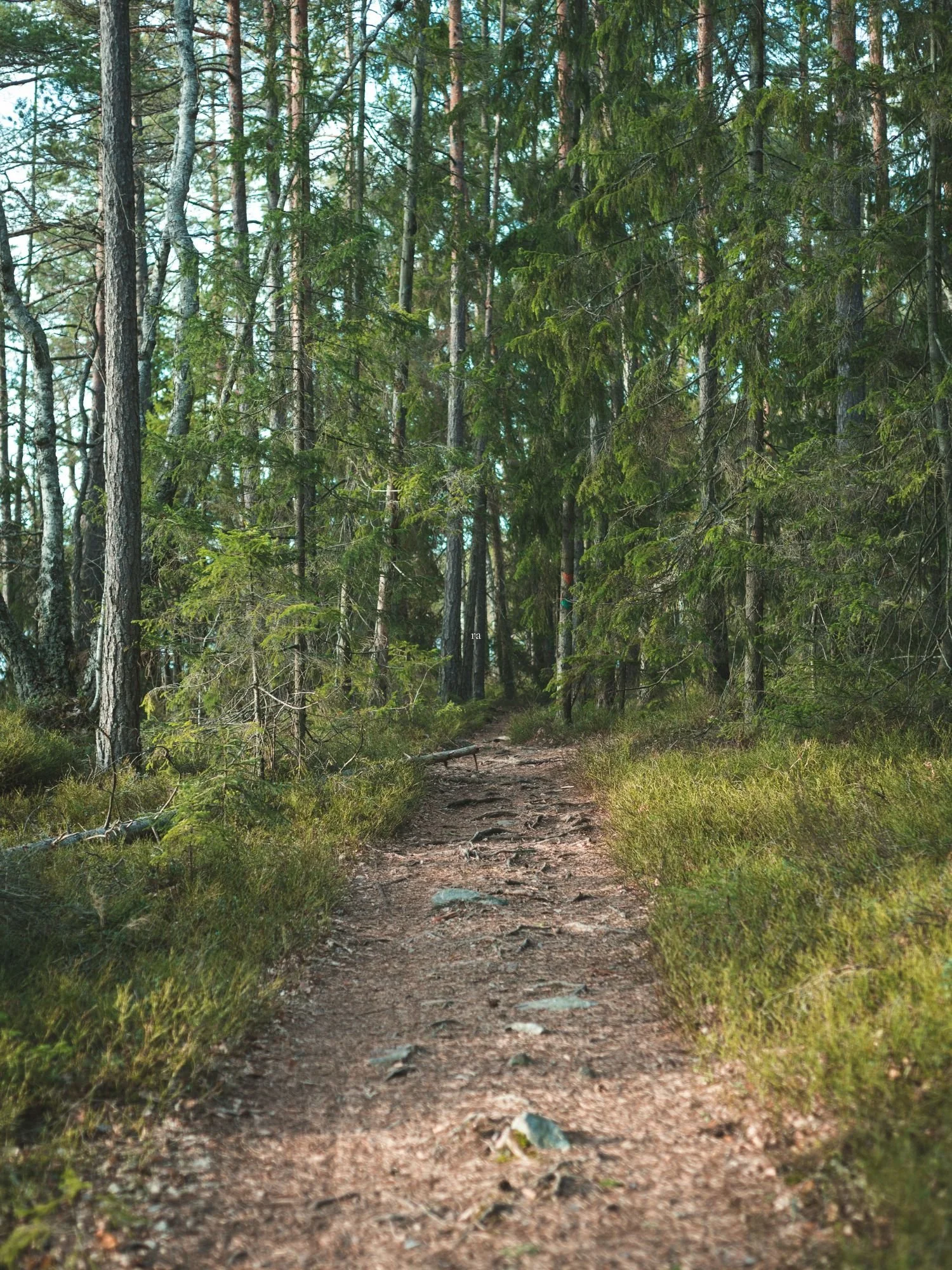
Locals and visitors can hike through quiet pine forests, swim in remote lakes, kayak between islands in the archipelago, pick wild berries under the midnight sun, camp in nature for a night, and enjoy the outdoors in a way that’s rare in many other countries. Love for nature and outdoor life is a big part of Swedish culture.
Visby
What is allemansrätten?
Allemansrätten gives everyone the right to access and enjoy nature, regardless of who owns the land. The word itself roughly translates to “everyman’s right,” although it is more commonly called “the right of public access” or “freedom to roam” in English.
In Sweden, allemansrätten allows people to move freely through the countryside and spend time in nature as long as they respect the environment and the people who live there. This means you can hike through forests, paddle across lakes, swim in natural waters, pick wild berries and mushrooms, and even camp for a night in many places without needing permission from the landowner.
Allemansrätten applies to much of the natural landscape, including forests, beaches, mountains, and rural areas. However, it does not give unlimited freedom. Private gardens, farmland with growing crops, and areas close to homes must be respected.
This is considered an important part of Swedish culture and identity. It reflects the idea that nature should be accessible to everyone, not only landowners or people with money. It depends on trust and the personal responsibility to enjoy nature without disturbing wildlife, damaging the environment, or bothering landowners. This principle is often summarized with the phrase: “Do not disturb, do not destroy.” People are expected to care for nature and leave it untouched for others to enjoy.

Nykvarn
The history behind allemansrätten
The origins of allemansrätten go back hundreds of years and are closely connected to life in rural Sweden and the wider Scandinavian region. Long before modern tourism or outdoor recreation existed, people depended on forests, lakes, and open landscapes for survival. Traveling through nature, gathering firewood, fishing, and collecting berries and mushrooms were natural parts of everyday life.
Because Sweden has historically had vast forests and a relatively small population, people moved freely across the land for generations. Access to nature became an unwritten tradition rather than a formally created law. Over time, this evolved into the concept now known as allemansrätten, a balance between public freedom and respect for private property.
During the 19th and 20th centuries, outdoor life became increasingly important in Swedish society. Hiking, skiing, camping, and spending time in nature were promoted as healthy activities connected to wellbeing and national identity. The idea of friluftsliv, or open-air living, became part of Swedish culture and helped strengthen support for public access to nature.
Today, the concept is recognized and protected under Swedish law. Although there is no single law that fully defines every aspect of it, the principle is mentioned in the Swedish constitution, which states that everyone should have access to nature according to allemansrätten. The rules are also supported by environmental laws and regulations designed to protect wildlife, landowners, and natural areas.
What makes allemansrätten especially unique is that it is built largely on trust. Rather than relying on fences, restrictions, or permits, the system depends on people acting responsibly and respecting the environment.

Skellefteå
What you’re allowed to do
As long as you respect the environment and avoid disturbing others, you’re allowed to enjoy many outdoor activities across the Swedish countryside.
Jukkasjärvi
Hiking and exploring nature
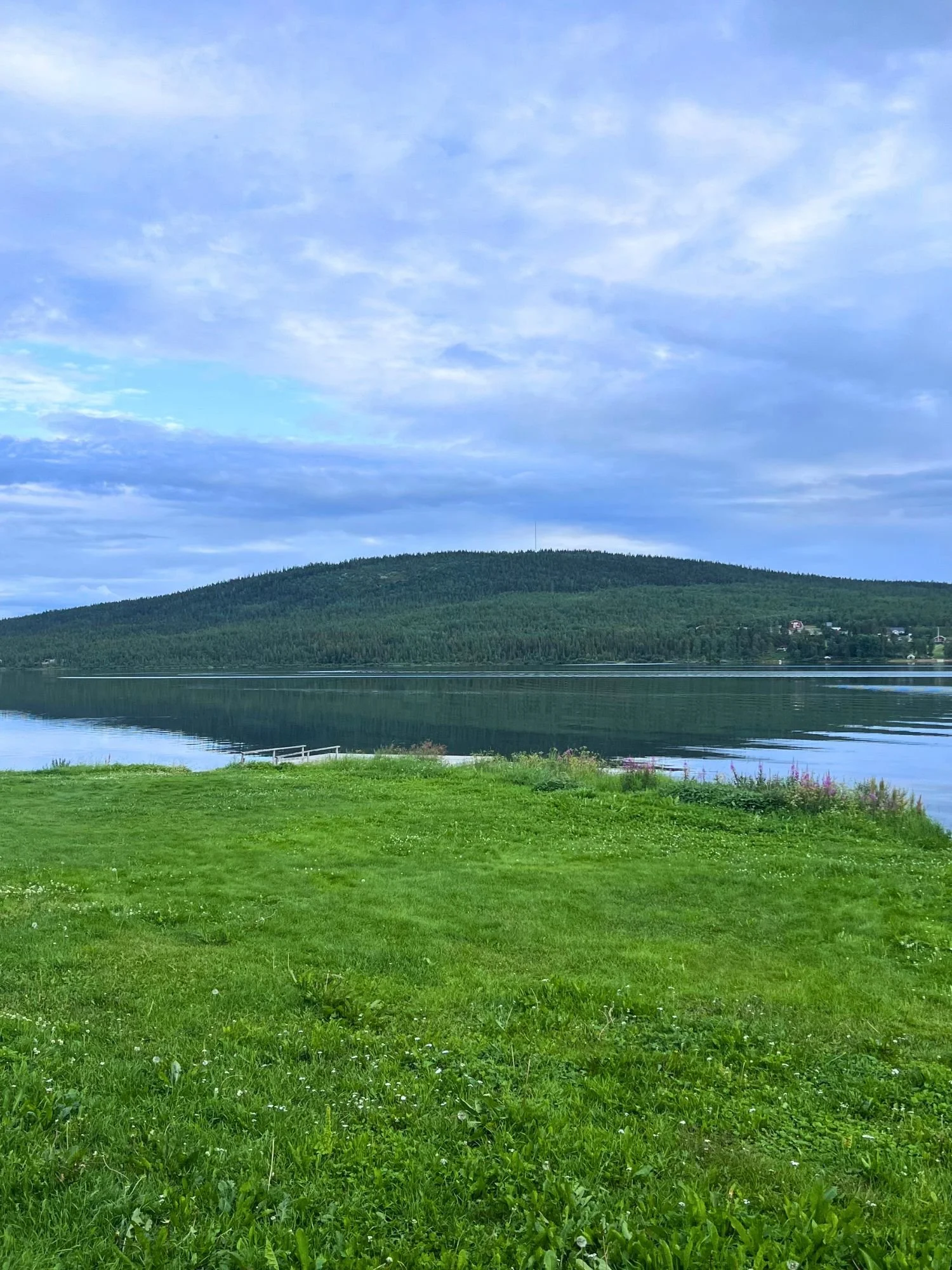
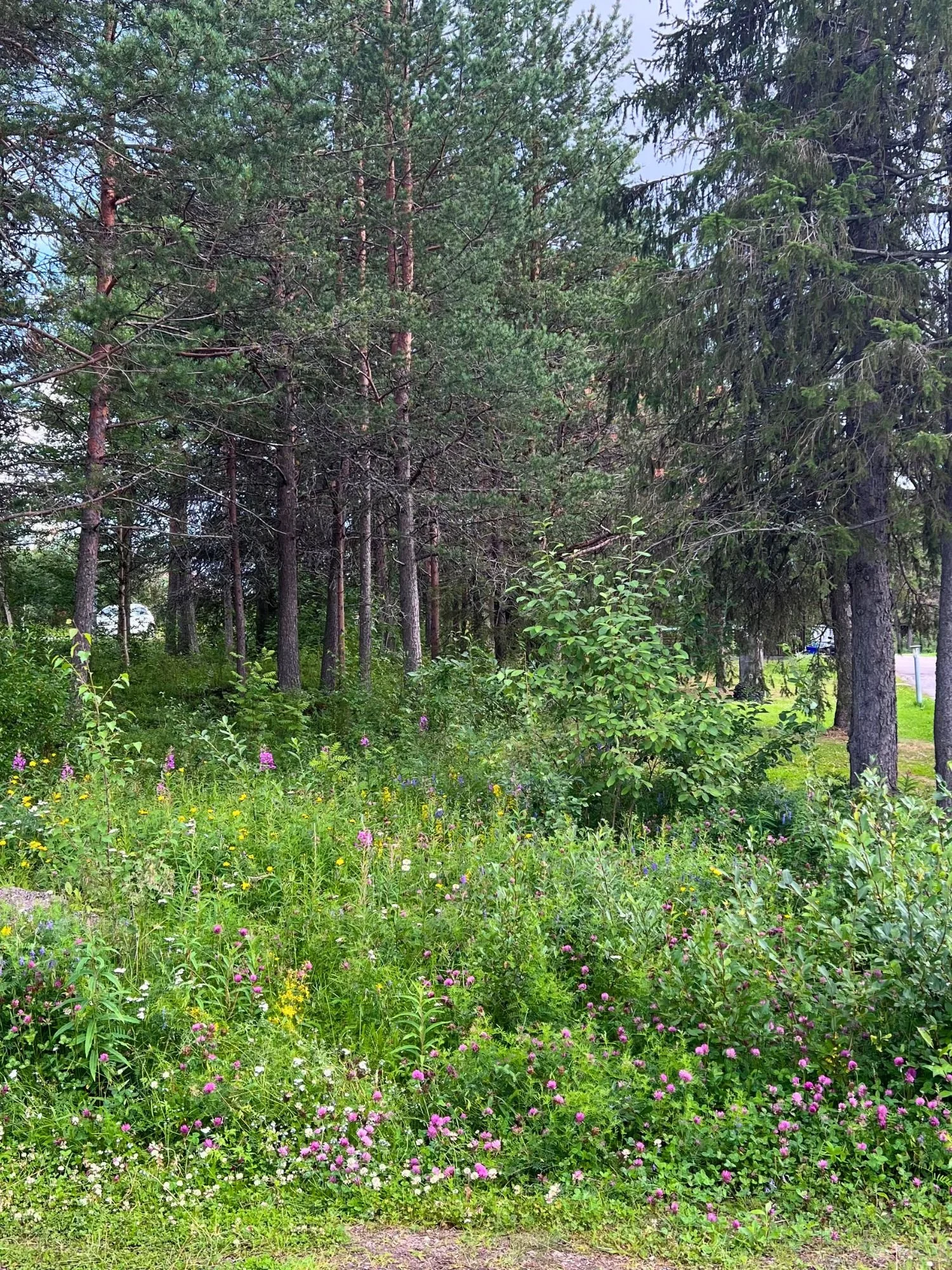
Under allemansrätten, you can walk, hike, and explore freely in most natural areas. This includes forests, beaches, mountains, lakesides, and open countryside. Sweden’s landscapes are filled with trails and scenic areas, but you’re not limited to marked paths in most places. As long as you avoid private gardens and cultivated land, you’re generally free to roam.
This freedom makes Sweden especially popular for outdoor adventures such as:
Hiking
Trail running
Nature photography
Birdwatching
Skiing
Jukkasjärvi
Swimming, boating, and kayaking
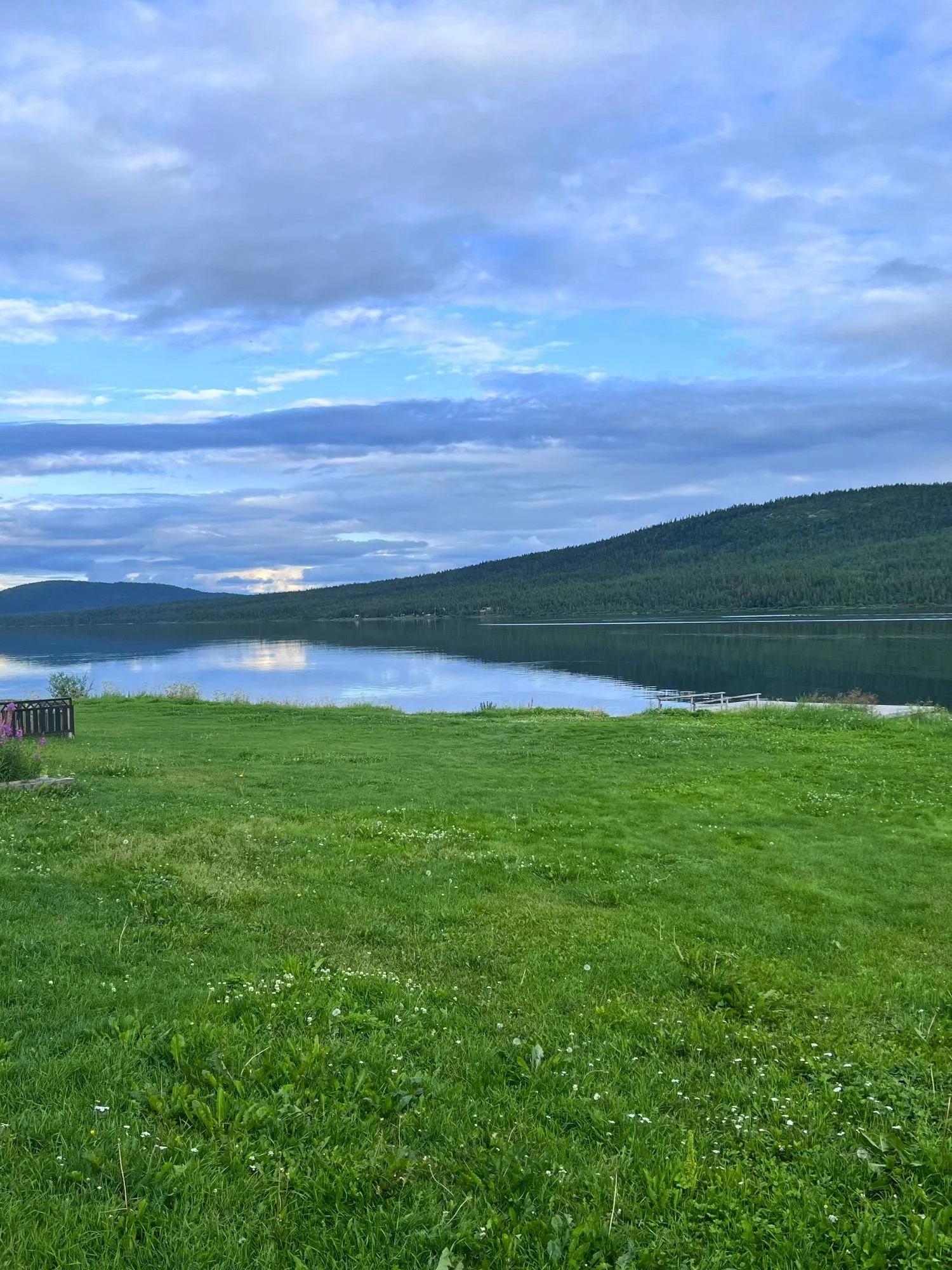
Sweden’s countless lakes and long coastline are also accessible through allemansrätten. People are free to swim in natural waters, launch kayaks or canoes, and travel by small boat in many areas. Spending time on the water is a big part of Swedish summer culture, especially in the country’s famous archipelagos.
Popular activities include:
Wild swimming
Canoeing
Kayaking
Paddleboarding
Sailing
Jukkasjärvi
Picking wild berries and mushrooms
Allemansrätten includes the right to forage for wild berries, flowers, and mushrooms. During late summer and autumn, forests across Sweden fill with blueberries, lingonberries, and chanterelle mushrooms, and many families head into nature to gather them.
Foraging is allowed even on privately owned land, provided that you don’t damage the environment or enter restricted areas.
Camping in nature
Wild camping is also permitted in many places under allemansrätten. You can usually pitch a tent for one night in nature without asking permission, as long as you stay away from houses and avoid damaging the land. This gives visitors a unique opportunity to experience Sweden’s forests, lakes, and remote landscapes up close. Camping rules can vary in protected areas and national parks, where additional restrictions may apply.

Skellefteå
What You’re NOT allowed to do
These rules exist to protect wildlife, respect landowners, and ensure that nature remains intact for everyone to enjoy.
Disturb or damage nature
The most important principle is that you should not disturb or destroy anything. This means:
Don’t damage trees, plants, or wildlife habitats
Don’t remove stones, logs, or moss in a harmful way
Avoid making unnecessary noise that disturbs animals or other people
Nature should be left in the same condition as you found it.
Disrespect private homes and land
Even though access to nature is broad, there are clear boundaries:
Don’t enter someone’s garden or immediate surroundings
Keep a respectful distance from private homes
Don’t camp too close to houses or buildings
Farmland with growing crops is also off-limits, as walking or camping there can cause damage.
Litter
Littering is strictly forbidden under allemansrätten. Everything you bring into nature should also leave with you. This includes food packaging, bottles, and any other waste. Maintain a “leave no trace” mindset.
Light fires (sometimes)
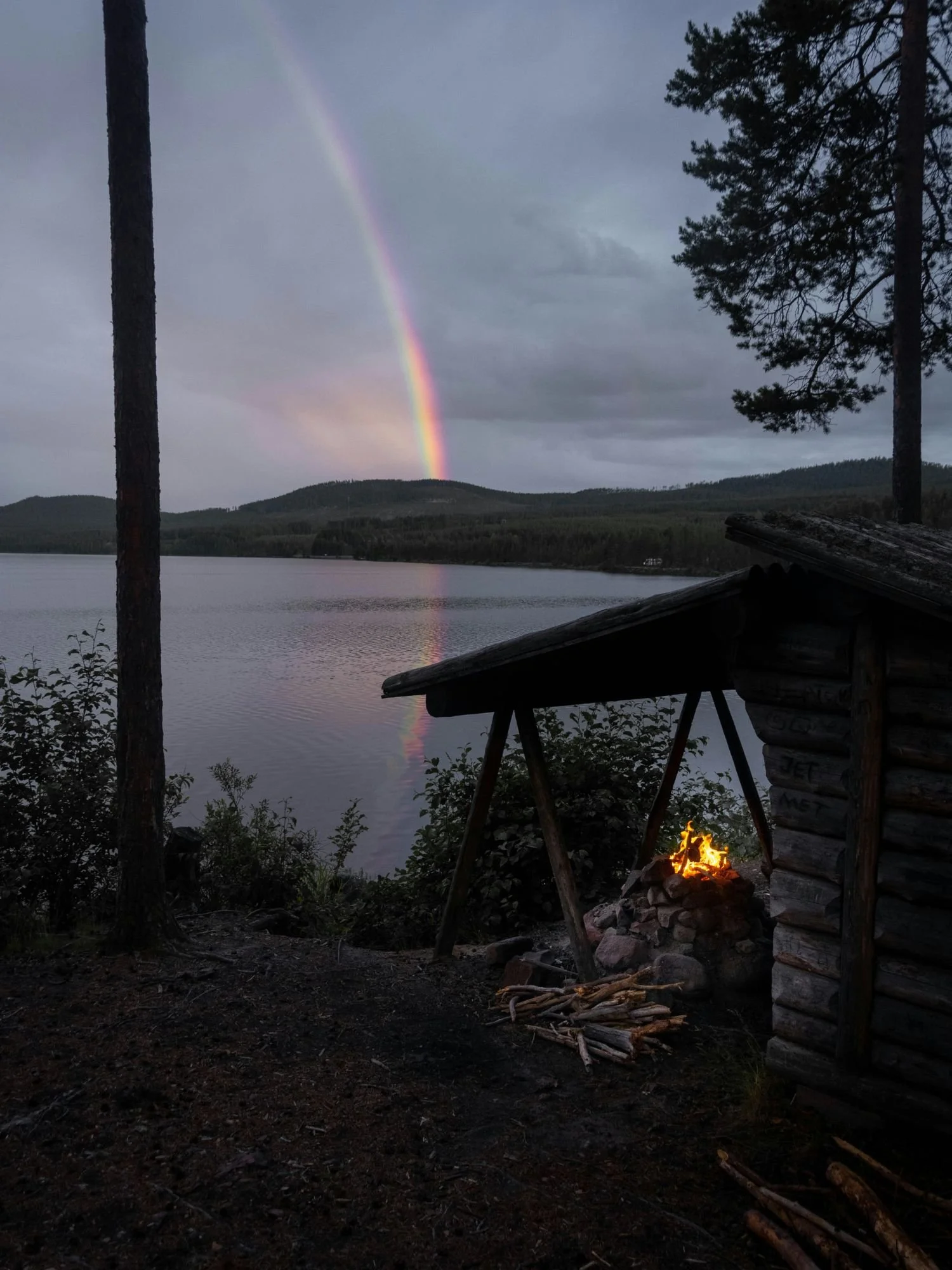
Lighting fires in nature is sometimes allowed, within these guidelines:
Fires may be banned during dry periods due to wildfire risk
Only use designated fire pits when these are available
Always fully extinguish fires before leaving
Drive motor vehicles
Driving motor vehicles off-road in nature is not allowed. This includes:
Cars
Motorcycles
Off-road vehicles
This rule protects fragile ecosystems, soil, and vegetation from damage.
Protected areas have extra rules
In national parks and nature reserves, additional regulations may apply. Some areas may restrict camping, fires, or movement to protect sensitive environments and wildlife.

Nykvarn
Camping and van life in Sweden
Sweden is a great place to spend the night in nature, whether you’re hiking with a tent or exploring the country by campervan.
Wild camping
Wild camping is generally allowed for short stays in many natural areas. In most cases, you can:
Pitch a tent for one or two nights in the same spot
Stay in forests, near lakes, or in remote areas
Enjoy quiet and isolated nature experiences
The key rule is always respect for others. Don’t camp too close to houses, farm buildings, or private gardens, and avoid areas where your presence could disturb landowners or wildlife.
Campervans and motorhomes
Van life has become increasingly popular in Sweden, especially in the summer months. While allemansrätten doesn’t include the same freedom to park a vehicle as it does for tents, there is still flexibility:
Parking is allowed in many public areas
Overnight stays are often allowed in designated parking areas and rest areas
You should avoid setting up camp (chairs, grills, etc.) outside your vehicle unless explicitly allowed
It’s important to remember that driving off-road into nature is not allowed, so campervans must always stay on roads and designated parking areas.
Campsites vs. wild camping
Sweden also has a wide network of well-maintained campsites that offer facilities such as showers, kitchens, and electricity. Many travelers combine both options in the same trip:
Campsites for comfort and amenities
Wild camping for solitude and immersion in nature
This balance is one of the reasons Sweden is such a popular destination for road trips.

Skellefteå
Berry picking and mushroom foraging
For many Swedes, late summer and autumn are seasons to gather wild food directly from forests and fields.
Swedish foraging tradition
Foraging has been a part of Swedish culture for a long time. Thanks to allemansrätten, anyone can pick wild berries, mushrooms, and flowers in most natural areas, even on privately owned land, as long as they avoid disturbing or damaging anything. It’s a practical and enjoyable way to experience the outdoors, and for many Swedes, it’s something they’ve done every year since childhood.
Wild berries you can find
Sweden’s forests are especially rich in berries in the summer. Some of the most common are:
Blueberries (blåbär) are found in almost every forest
Lingonberries (lingon) are found in pine forests and often used in jams and sauces
Cloudberries (hjortron) are mainly found in northern regions of Sweden and are rarer and highly prized
Mushroom season in autumn
Autumn is the season for mushroom picking. Many people head into the forest to search for varieties such as chanterelles and porcini mushrooms. However, mushroom foraging requires knowledge and care, as some species can be toxic.
If you’re new to mushroom foraging:
Go with an experienced guide
Use a mushroom guidebook or app
Only pick species you can identify with certainty
Take what you need, leave plenty for wildlife, and ensure that plants can continue to grow for others to enjoy.

Skellefteå
Allemansrätten in national parks and protected areas
Even though allemansrätten gives wide access to nature across Sweden, additional regulations can apply in national parks and protected landscapes. This is to preserve particularly fragile ecosystems, rare wildlife, and unique natural scenery.
What changes in protected areas?
Depending on the area, you may find restrictions such as:
Designated trails that must be followed
Limits on where you can camp
Bans on open fires
Seasonal closures to protect wildlife during nesting or breeding periods
These rules vary from park to park, so it’s always important to check local signs or visitor information before entering a protected area.

Nykvarn
Why Swedes value allemansrätten
Allemansrätten is a reflection of how people relate to the natural world. It represents the idea that nature should be shared, accessible, and respected by everyone.
A close relationship with nature
Sweden is a country defined by its landscapes, which include vast forests, thousands of lakes, and long coastlines. Because so much of daily life exists in close proximity to nature, spending time outdoors is seen as something ordinary and essential.
Allemansrätten makes this relationship even stronger by ensuring that everyone, regardless of income or property ownership, can experience the outdoors freely.
Wellbeing and the outdoor lifestyle
Time in nature is closely linked to wellbeing in Swedish culture. Activities like hiking, skiing, swimming, or walking in the forest are seen as important ways to relax, recharge, and maintain balance in everyday life.
This connection is often described through the concept of friluftsliv, which encourages people to spend time outside throughout the year, in every season.
A tradition passed through generations
For many Swedes, allemansrätten is something learned from childhood. Families spend weekends picking berries, camping, or going for walks in the forest, passing down knowledge and respect for nature. These shared experiences help reinforce the idea that nature belongs to everyone, but must be cared for collectively.
Trust as a foundation
One of the most unique aspects of allemansrätten is that it relies on trust rather than strict enforcement. Instead of heavy regulation or constant supervision, it depends on people acting responsibly on their own.
This reflects a broader cultural value in Swedish society of trust in individuals to do the right thing. It’s this trust that allows such a generous system of access to continue functioning successfully.
A source of national identity
Ultimately, allemansrätten is seen by many as part of what makes Sweden unique. It shapes how people travel, how they spend their free time, and how they view the environment. It’s both practical and symbolic, a daily freedom that reflects values of equality, sustainability, and respect for nature.

Nykvarn
Tips for visitors
These guidelines will help you make the most of your time outdoors while staying in line with local expectations.
Bring the “leave no trace” mindset
The most important rule is to leave nature exactly as you found it. Whatever you bring in with you should always go back with out you. A small trash bag in your backpack can make this easy.
Keep distance from homes and people
Even in rural areas, people may live close to forests and lakes. Always make sure to:
Camp far away from houses and private gardens
Avoid lingering near residential areas
Choose spots that feel clearly in nature rather than in someone’s backyard
Privacy is highly valued, and respecting it is key to maintaining good relations between landowners and visitors.
Follow local signs and restrictions
Rules can vary depending on where you are. Always pay attention to:
Signs in national parks and nature reserves
Fire restrictions, especially during dry summer periods
Seasonal closures for wildlife protection
These rules are there to protect both nature and visitors.
Be careful with fire
Fires are a big part of outdoor life in Sweden, but they also require caution. Always:
Check if fires are allowed before lighting one
Use designated fire pits when available
Fully extinguish fires with water before leaving
During dry conditions, fire bans can be enforced quickly and strictly.
Use caution when foraging
Berry picking is generally easy and safe, but mushrooms require more caution. If you’re unsure about a species, it’s better to leave it behind. A guidebook or app can be helpful, and local knowledge is even better.
Embrace the quiet
One of the most beautiful aspects of Swedish nature is its silence. Try to keep noise levels low, especially in forests and near lakes. This respects wildlife and enhances your own experience of the landscape.
Linköping
Frequently Asked Questions (FAQ)
Here are answers to some of the most common questions visitors ask before exploring Swedish nature.
Is wild camping legal in Sweden?
Yes, wild camping is generally allowed under allemansrätten, as long as you follow the rules. You can usually stay one or two nights in a tent in the same place, provided you are far from homes, don’t damage nature, and respect local restrictions.
Can tourists use allemansrätten?
Yes. Allemansrätten applies to everyone, not just Swedish citizens. Visitors are welcome to enjoy hiking, swimming, berry picking, and camping in nature as long as they follow the same rules as locals.
Can you camp on private land in Sweden?
You can camp on private land under allemansrätten if you do so respectfully. This means staying away from houses, gardens, and cultivated fields. If you’re unsure, choose a more remote location to avoid disturbing landowners.
Can you make fires in Swedish forests?
Sometimes. Fires are allowed in many places, but only if there is no fire ban in effect and you do so safely. During dry periods, especially in summer, fire restrictions are common and must be strictly followed. Always use designated fire pits when available.
Is berry picking free in Sweden?
Yes. You’re allowed to pick wild berries and mushrooms in most places under allemansrätten. This includes forests and rural landscapes, as long as you don’t damage plants or enter restricted areas.
Does allemansrätten apply everywhere in Sweden?
No. While it covers most places, there are important exceptions. Private gardens, farmland with crops, and certain protected areas may have restrictions. National parks and nature reserves often have additional rules you must follow.
What’s the most important rule of allemansrätten?
The key principle is simple, do not disturb and do not destroy. If you respect nature, wildlife, and other people, you’re acting within the spirit of allemansrätten.

Linköping
Allemansrätten offers something rare in today’s world, the freedom to move through vast forests, swim in clear lakes, pick wild berries, and sleep under the open sky. For visitors, it’s often one of the most memorable aspects of experiencing Sweden.