Vegetarian Charcuterie Board Ideas for Every Occasion
A vegetarian charcuterie board works perfectly for a relaxed breakfast, a leisurely lunch, a party spread, or a dessert table, and it can work as a simple vegetarian charcuterie board for two or as an abundant grazing board for a larger group. This guide gives you specific ideas plus practical tips for choosing ingredients, arranging everything beautifully, and creating a gorgeous grazing board aesthetic without spending hours in the kitchen.
What is a vegetarian charcuterie board?
A charcuterie board traditionally features cured meats, cheeses, crackers, and a selection of accompaniments, but meaning of the term has evolved into the general idea of arranging foods on a board. A vegetarian charcuterie board skips the meat and sticks to only using vegetarian foods and ingredients.
Another term for this that’s perhaps more accurate since “charcuterie” imples that meat is included is a vegetarian grazing board. Whatever you choose to call it, it’s a great way to make food visually appealing, easily accessible, and fun to share!
How to build a vegetarian charcuterie board
A vegetarian charcuterie board is easy to customize. You don't need special ingredients, professional styling skills, or hours of preparation. With a few well-chosen foods and some thoughtful arrangement, you can create a beautiful spread that feels special without making things complicated.
Choose a theme for your board
Start by thinking about when you'll serve your board and what you want it to include to give the finished board a cohesive look. You might focus on cheese and crackers, fresh seasonal produce, international flavors, or a mix of your favorite snacks. For a party, you could even build a board around a particular occasion or color scheme.
Mix and match flavors and textures
The most interesting vegetarian charcuterie boards offer a little variety in every bite. Combine creamy cheeses with crunchy crackers, juicy fruit with salty snacks, or soft bread with flavorful dips and spreads.
For example, for a savory board, consider including:
Something creamy: Hummus, tzatziki, soft cheese, or baba ghanoush.
Something crunchy: Crackers, breadsticks, toasted nuts, or fresh vegetable sticks.
Something fresh: Grapes, berries, cucumber, cherry tomatoes, or apple slices.
Something savory: Cheese, olives, falafel, or seasoned roasted chickpeas.
Something sweet: Dried apricots, fresh fruit, honey, or a favorite jam.
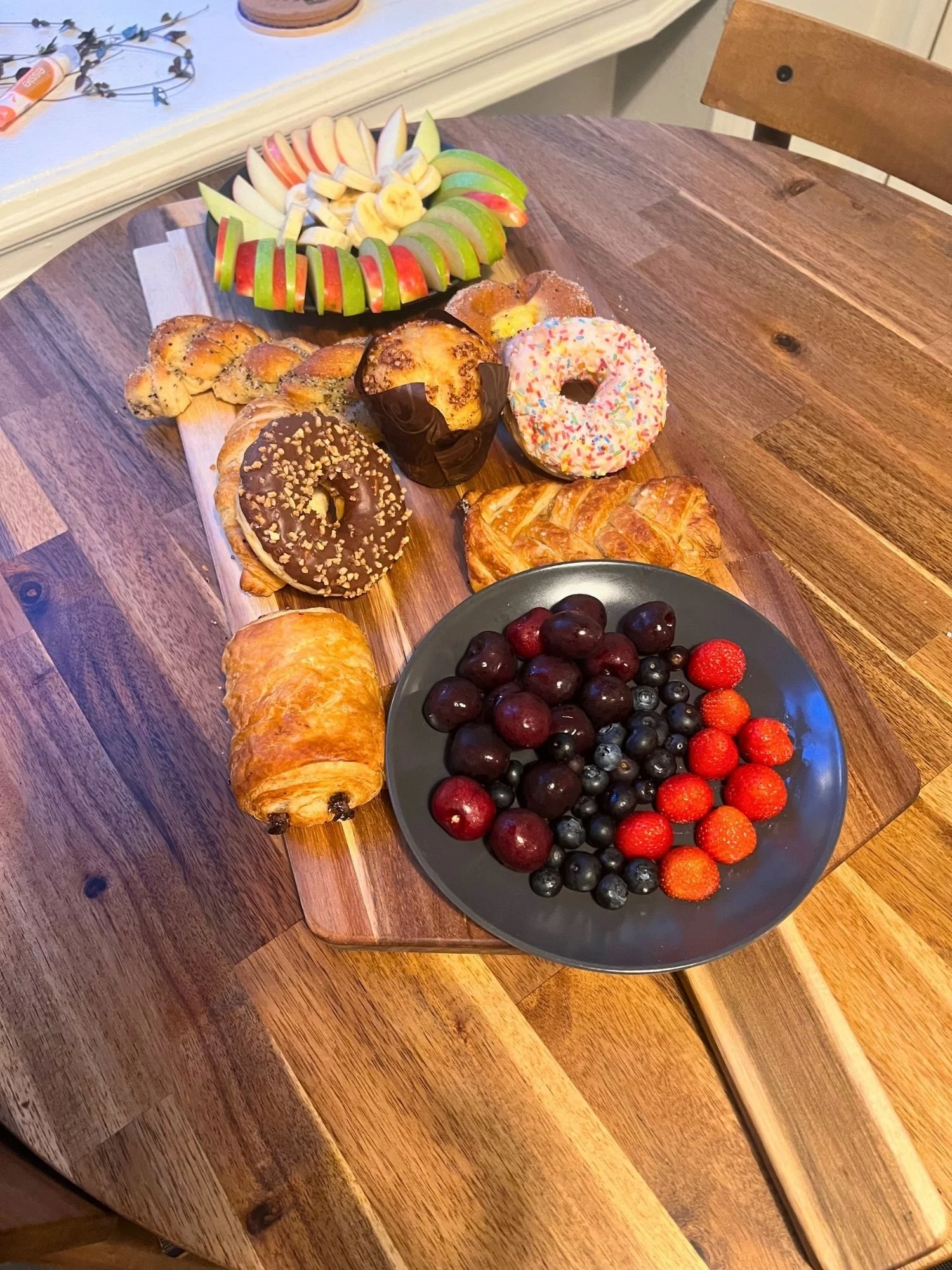
For breakfast and dessert boards, you can use the same principle with different ingredients. Pancakes, pastries, fruit, chocolate, and sweet spreads offer plenty of opportunities to mix contrasting flavors and textures.
Include dips, spreads, and toppings
Dips and spreads add flavor and give everyone more ways to customize their food. They're also a great way to bring different ingredients together.
For a Mediterranean-inspired board, try hummus, tzatziki, and baba ghanoush. A cheese board might include chutney, fig jam, or honey A breakfast board could feature Nutella, peanut butter, maple syrup, and butter.
Small bowls are useful for anything soft, sticky, or liquid. They keep your board organized and prevent dips and spreads from mixing with other ingredients. Arrange the bowls first, then build the rest of the board around them.
Play with color and shape
The simplest way to make a board look appealing is to include a variety of colors and shapes. Pair red grapes with green cucumber, bright berries with golden pastries, or colorful vegetables with creamy dips.
Slice some ingredients, leave others whole, and fold or stack items where it makes sense. Small details, such as arranging crackers in a fan or grouping berries together, can make the whole spread look more intentional.
Think about how the ingredients will look together rather than choosing everything individually. Even a simple cheese board can become eye-catching when you combine contrasting colors, textures, and shapes.
Arrange everything on your board
Once you've chosen your ingredients, start with the largest items. Position bowls of dips and spreads first, followed by larger foods such as cheese wedges, sandwiches, pastries, or small piles of pancakes.
Next, fill the spaces between them with crackers, bread, fruit, vegetables, and other smaller ingredients. Grouping similar foods together creates a tidy look, while placing contrasting colors beside each other helps the board feel vibrant.
Don't worry about filling every last gap, but avoid leaving large, awkward spaces. Small items such as berries, nuts, olives, or chocolate chips can help fill empty areas when needed.
You can use a wooden serving board, a large platter, a baking tray, or even a clean countertop lined with parchment paper. The best choice is whatever you have available and suits the amount of food you're serving.
Keep it simple when you need to
You don't have to make everything from scratch to create an impressive vegetarian charcuterie board. Store-bought hummus, ready-made falafel, packaged crackers, bakery pastries, and prepared dips can save you plenty of time. A useful approach is to choose just one or two things to prepare yourself and buy the rest ready-made.
Let the occasion guide your effort. A lunch for two doesn't need the same variety as a party spread, for example. No matter the occasion, the important thing is to create a selection of food that looks inviting and tastes delicious.
Vegetarian charcuterie board ideas
If you're looking for inspiration, these vegetarian charcuterie board ideas cover colorful breakfast spreads, savory lunches, party snacks, and desserts.
Breakfast charcuterie boards
Breakfast is a great opportunity to experiment with grazing boards. Instead of serving everyone the same meal, you can arrange a selection of pastries, fruit, bread, and toppings on one board and let everyone build their own breakfast. It's a fun option for weekend brunches, holiday mornings, or a relaxed breakfast with friends.
`7y
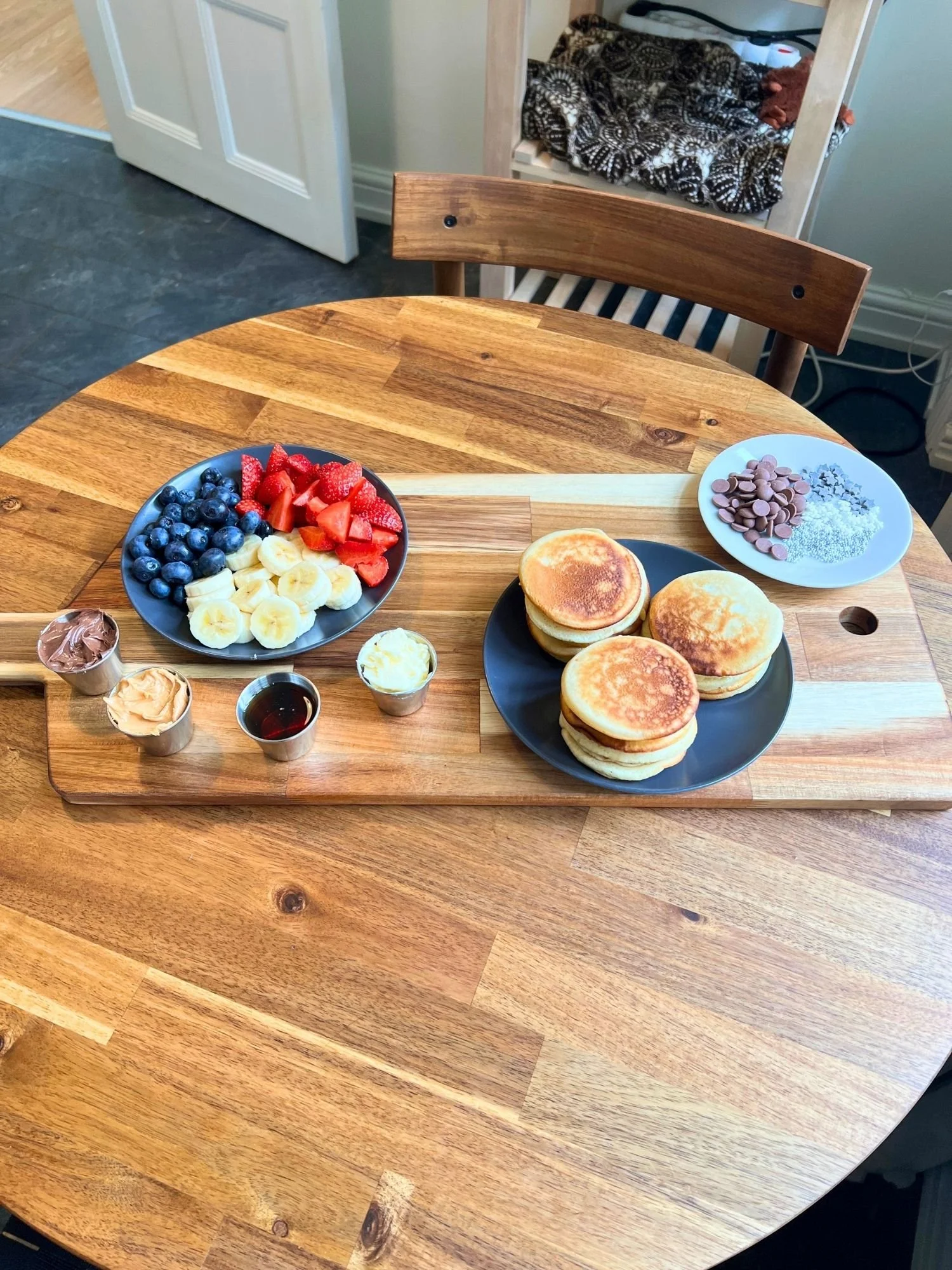
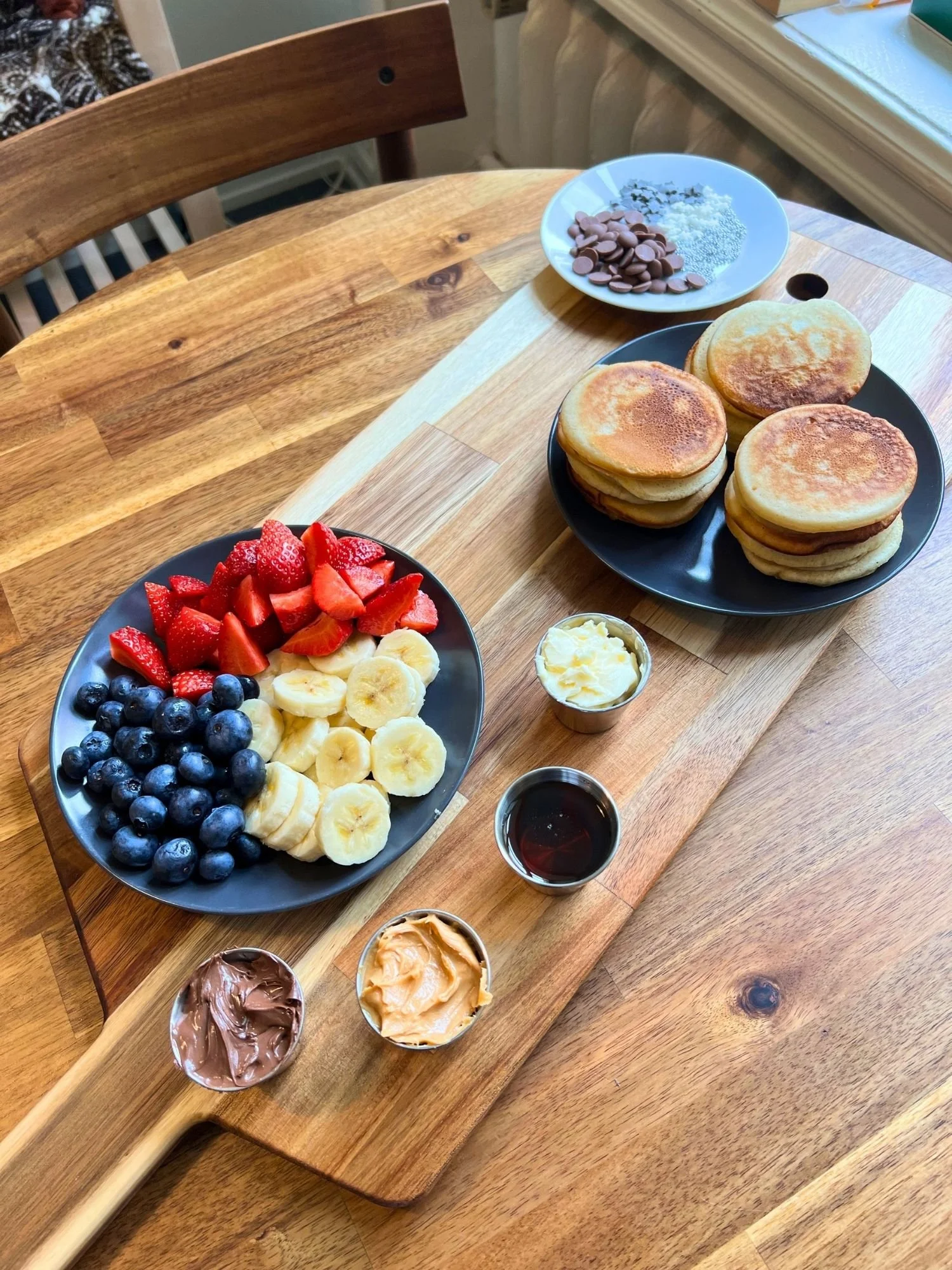
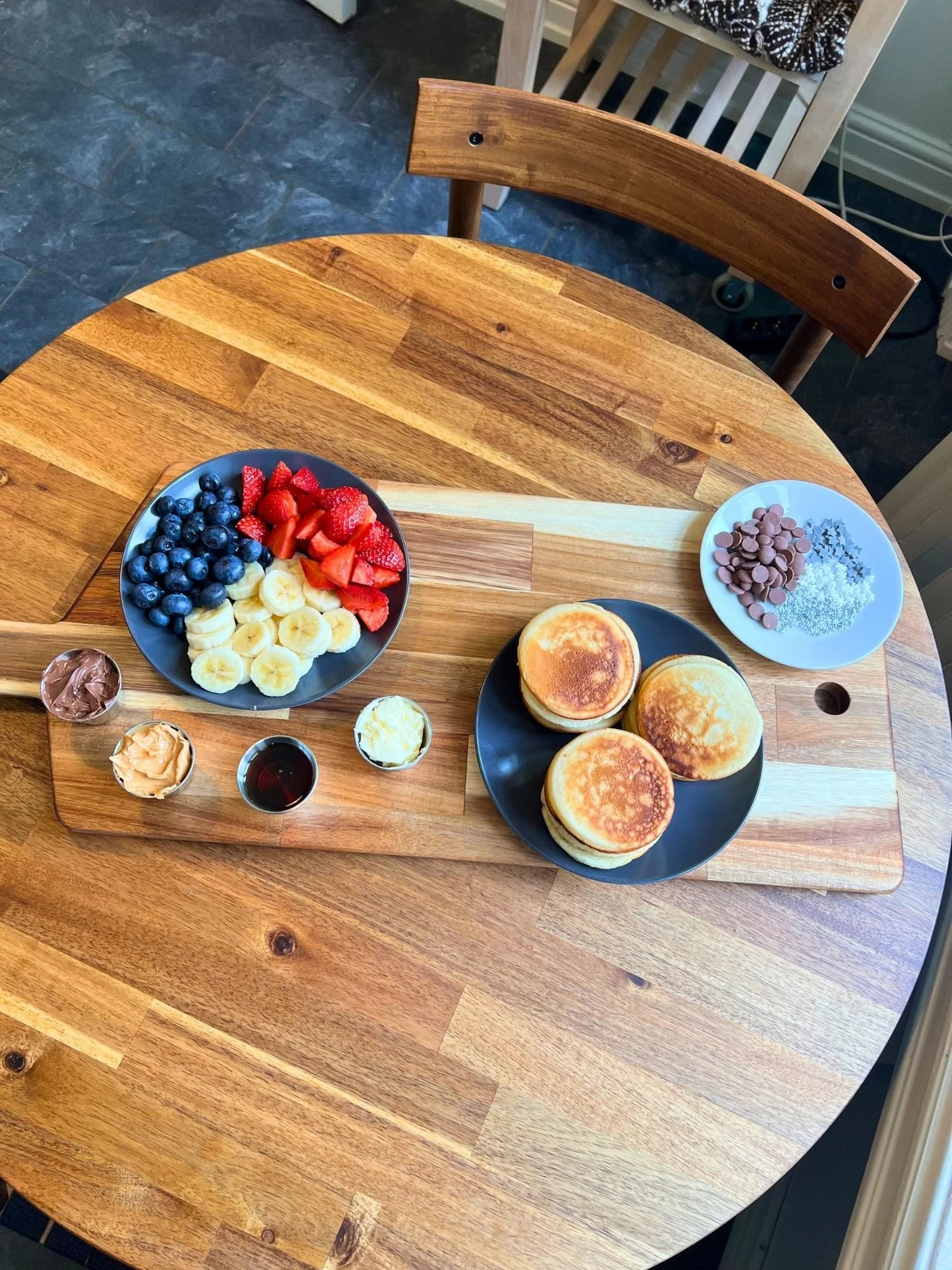
Mini pancake board
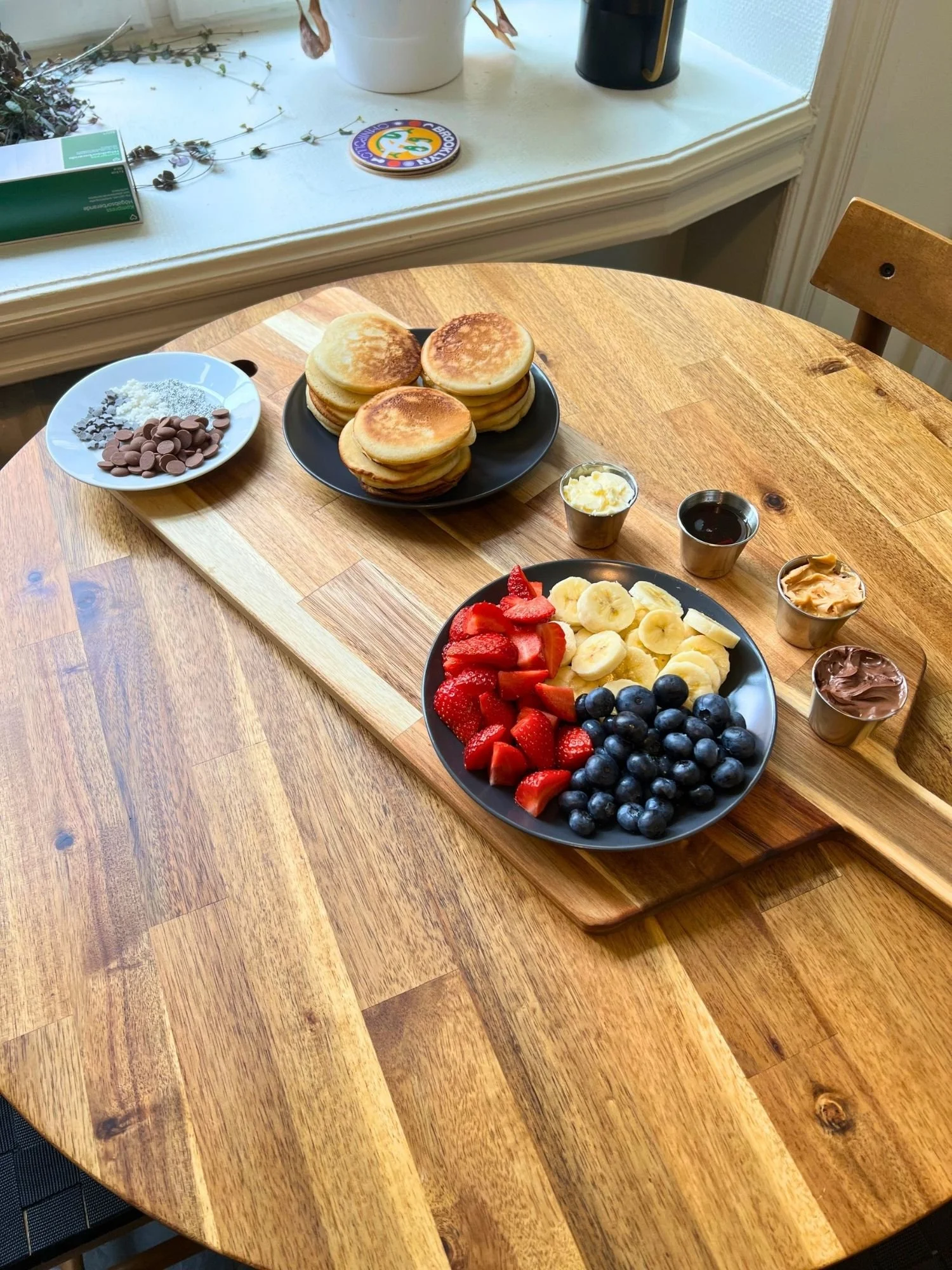
A mini pancake board is perfect for anyone with a sweet tooth. Arrange a generous pile of mini pancakes on a large platter, then surround them with bowls of toppings and colorful fresh fruit.
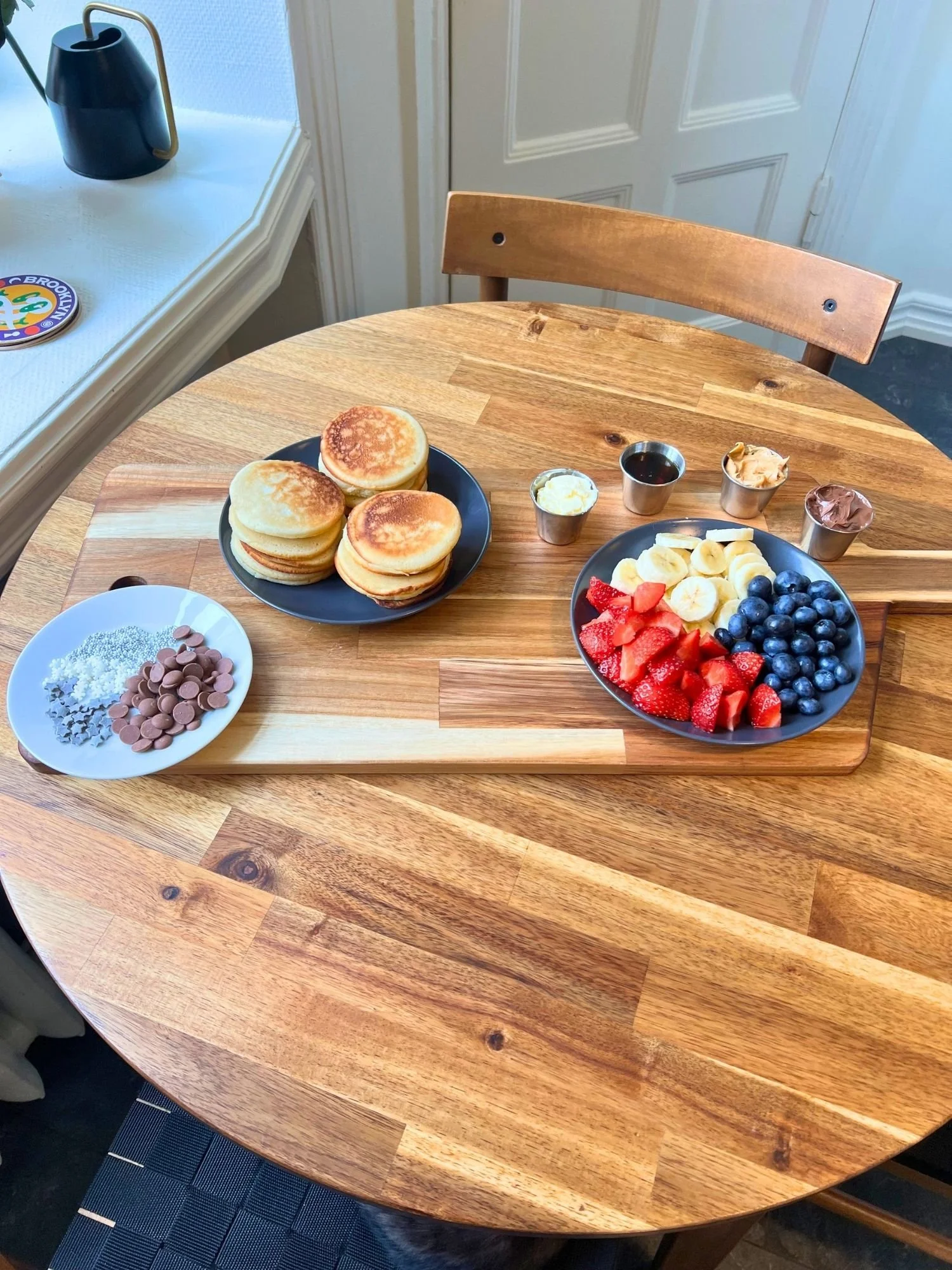
Nutella, butter, chocolate chips, berries, maple syrup, sliced banana, peanut butter, and sprinkles all make excellent additions. You could also include whipped cream for an extra-indulgent touch.
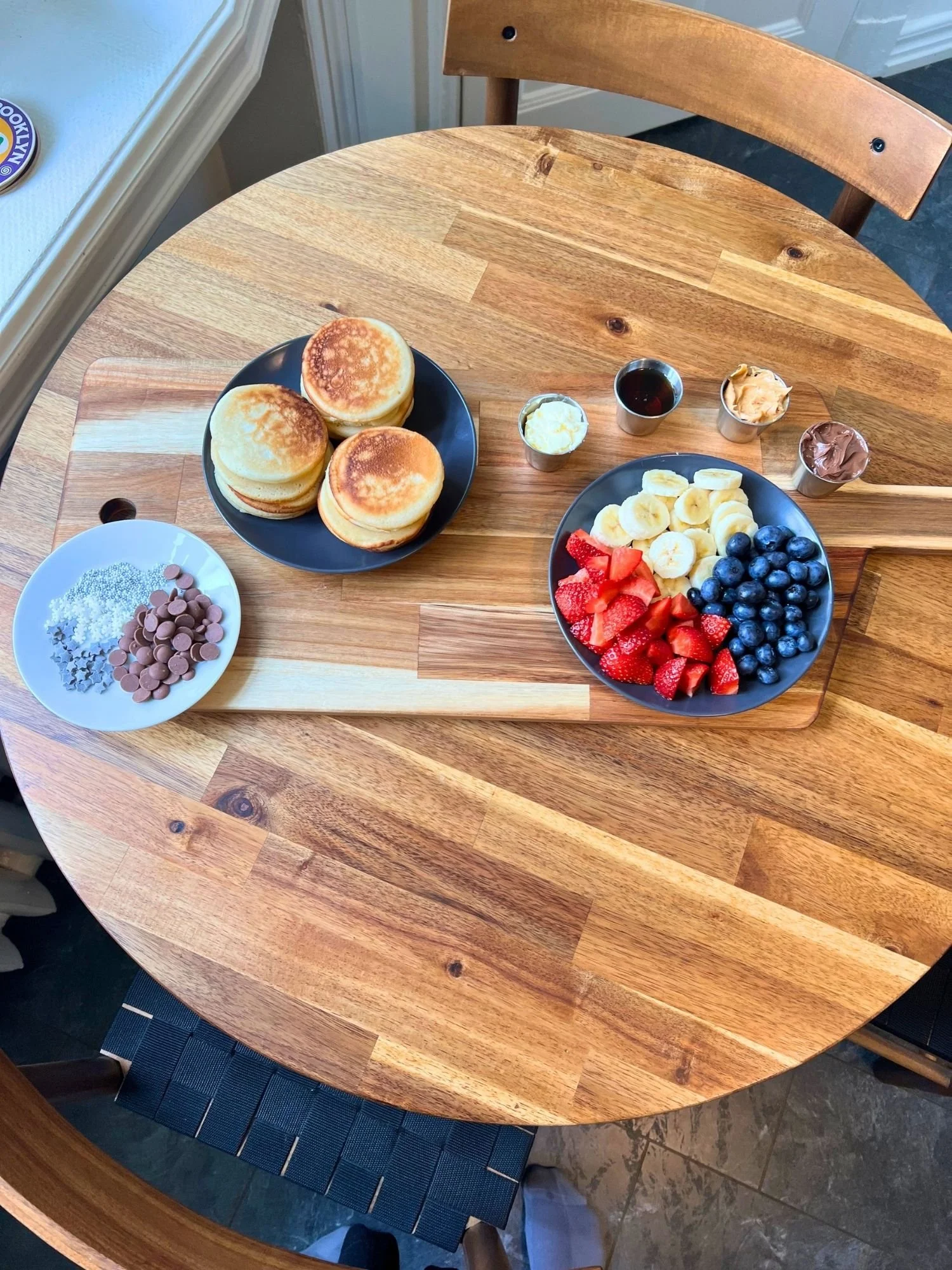
For an appealing presentation, place the pancakes in the center or along one side of the board, then arrange the toppings in small bowls around them. Scatter berries and banana slices between the bowls to add color and fill any empty spaces.
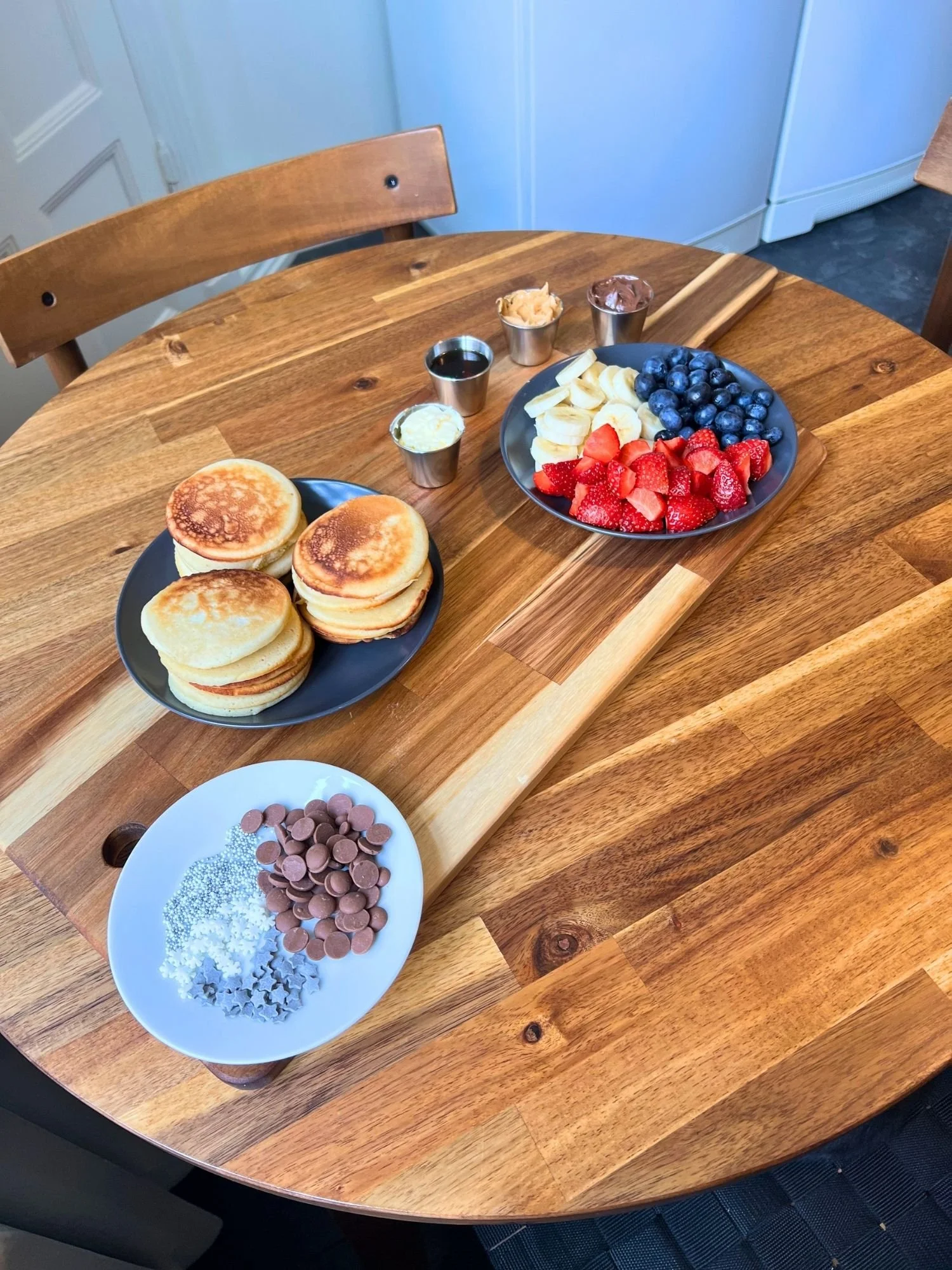
Then everyone can customize their pancakes. Some might prefer a simple combination of butter and syrup, while others want to pile on the chocolate and sprinkles.
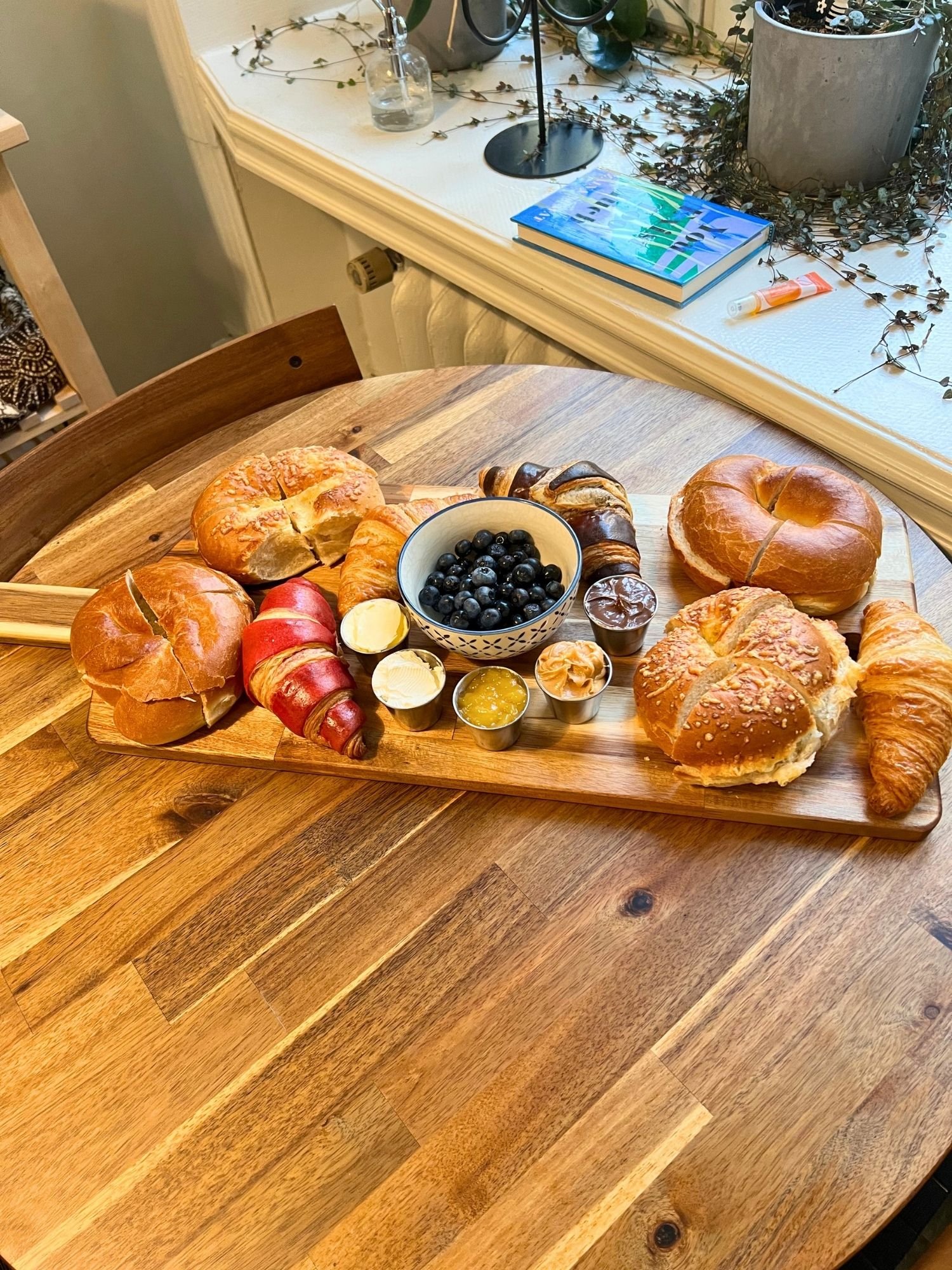
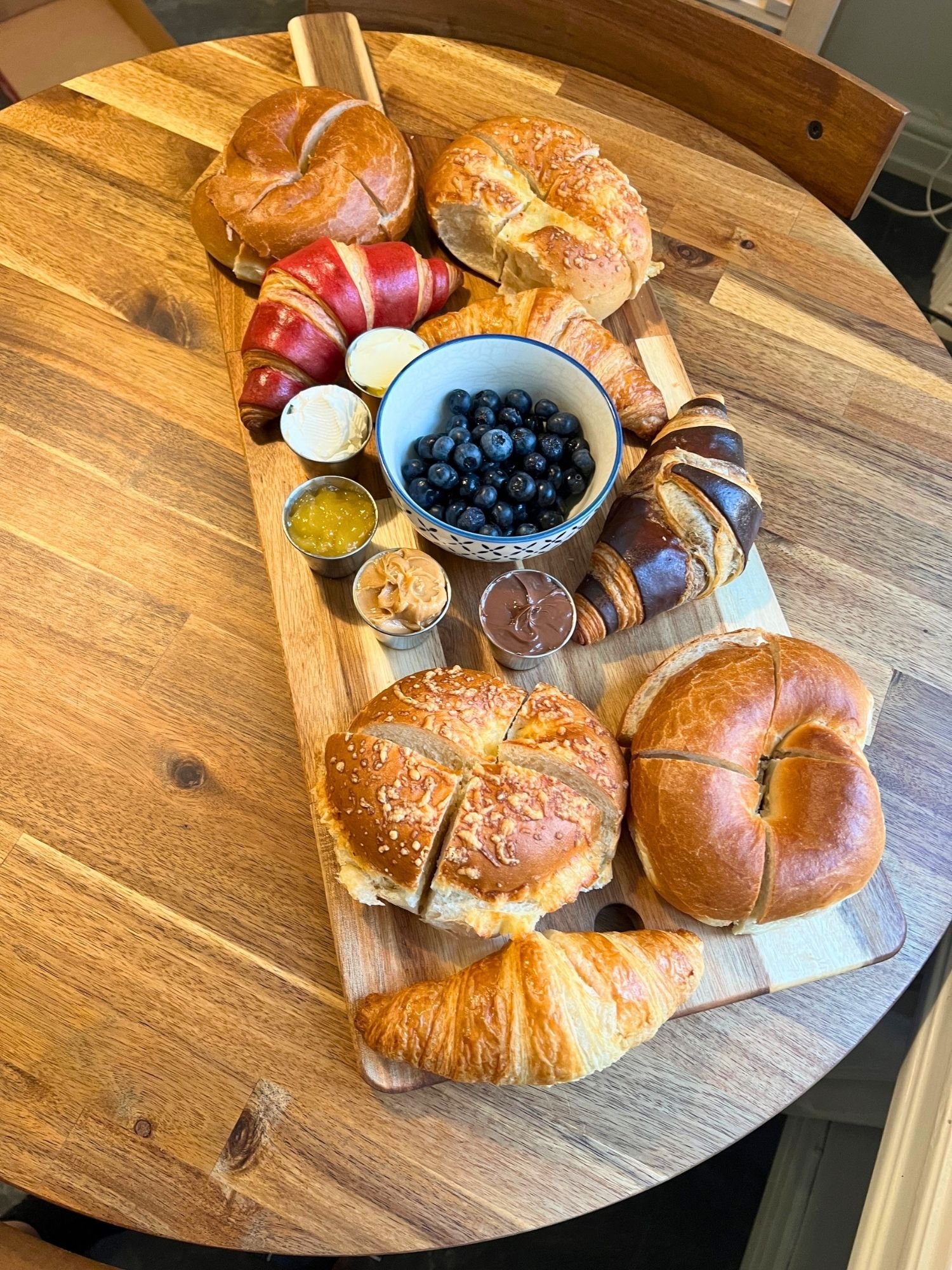
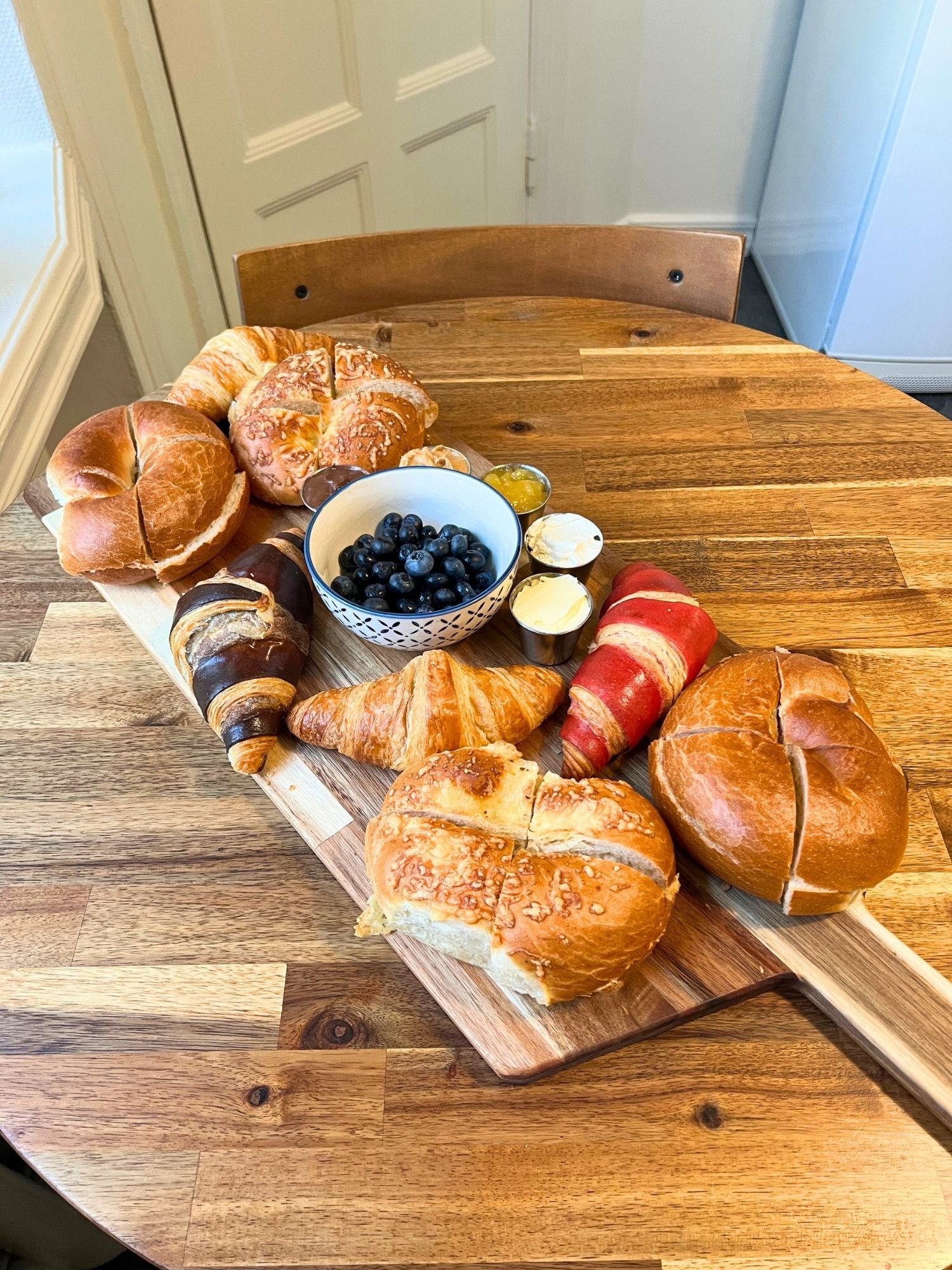
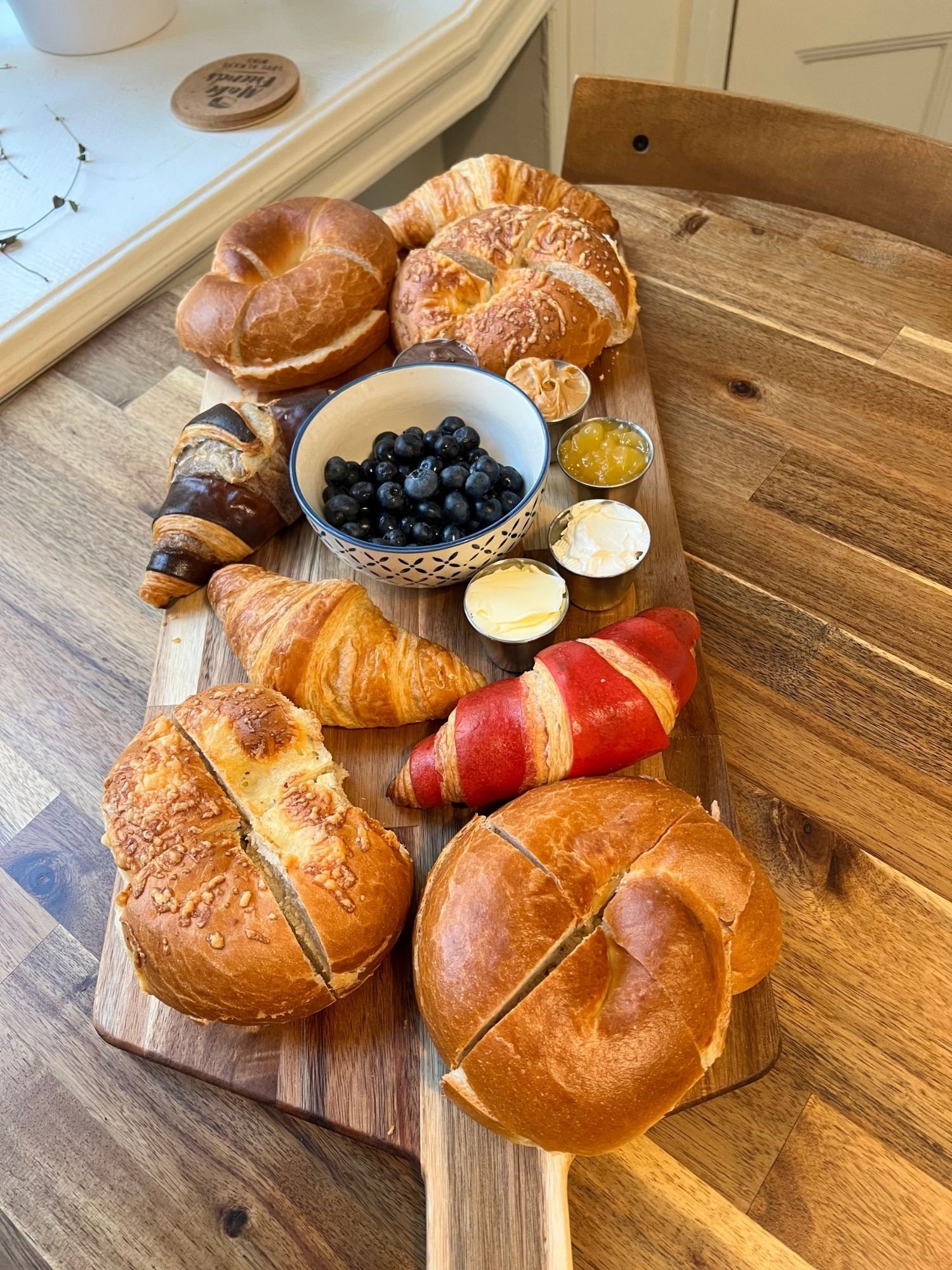
Croissant and bagel board
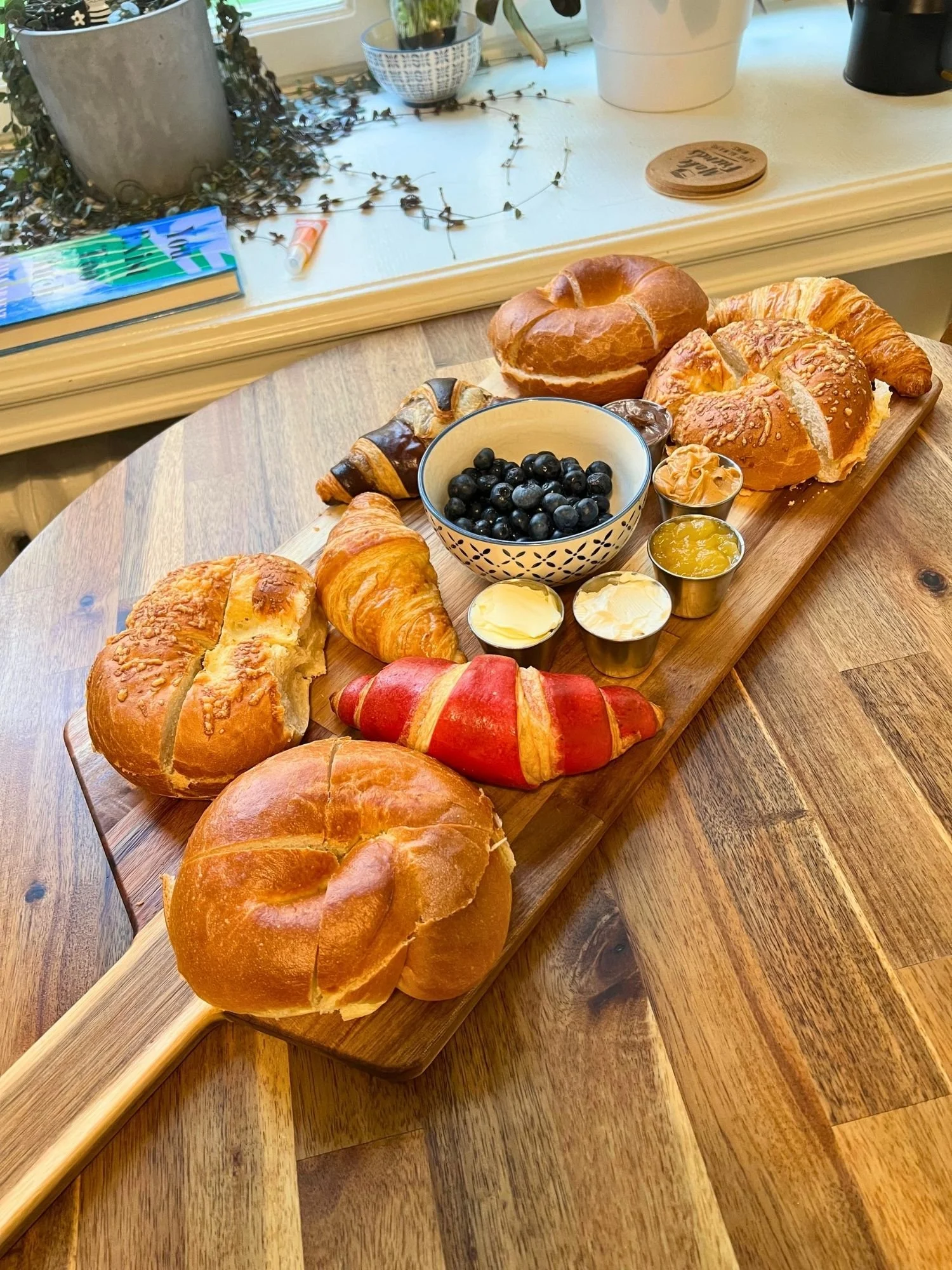
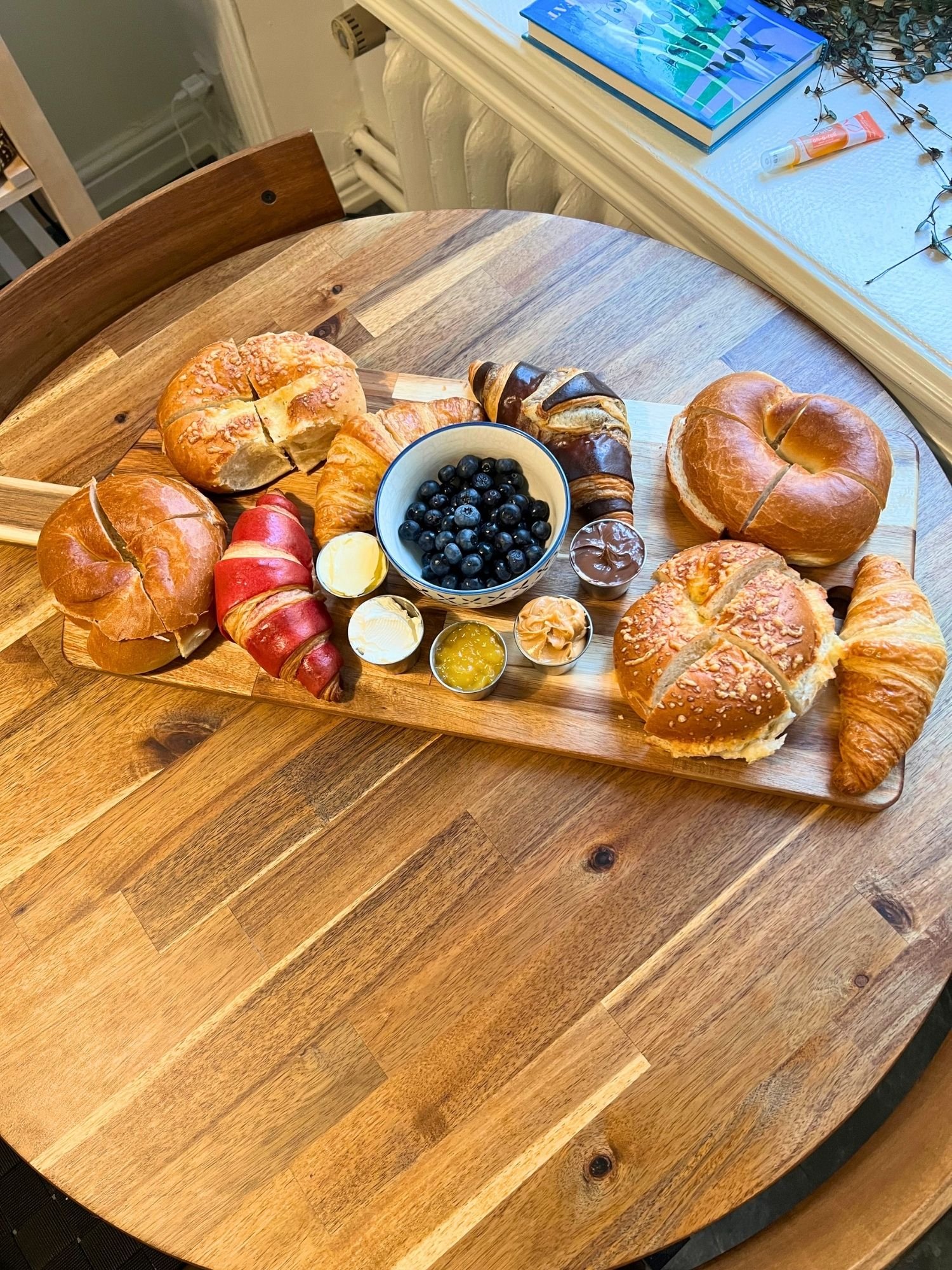
Combine croissants and bagels with a selection of sweet and savory toppings for breakfast. Include butter, jam, cream cheese, peanut butter, sliced cheese, and fresh fruit. You could also add things like sliced tomatoes, cucumber, mini yogurt pots, or hard-boiled eggs.
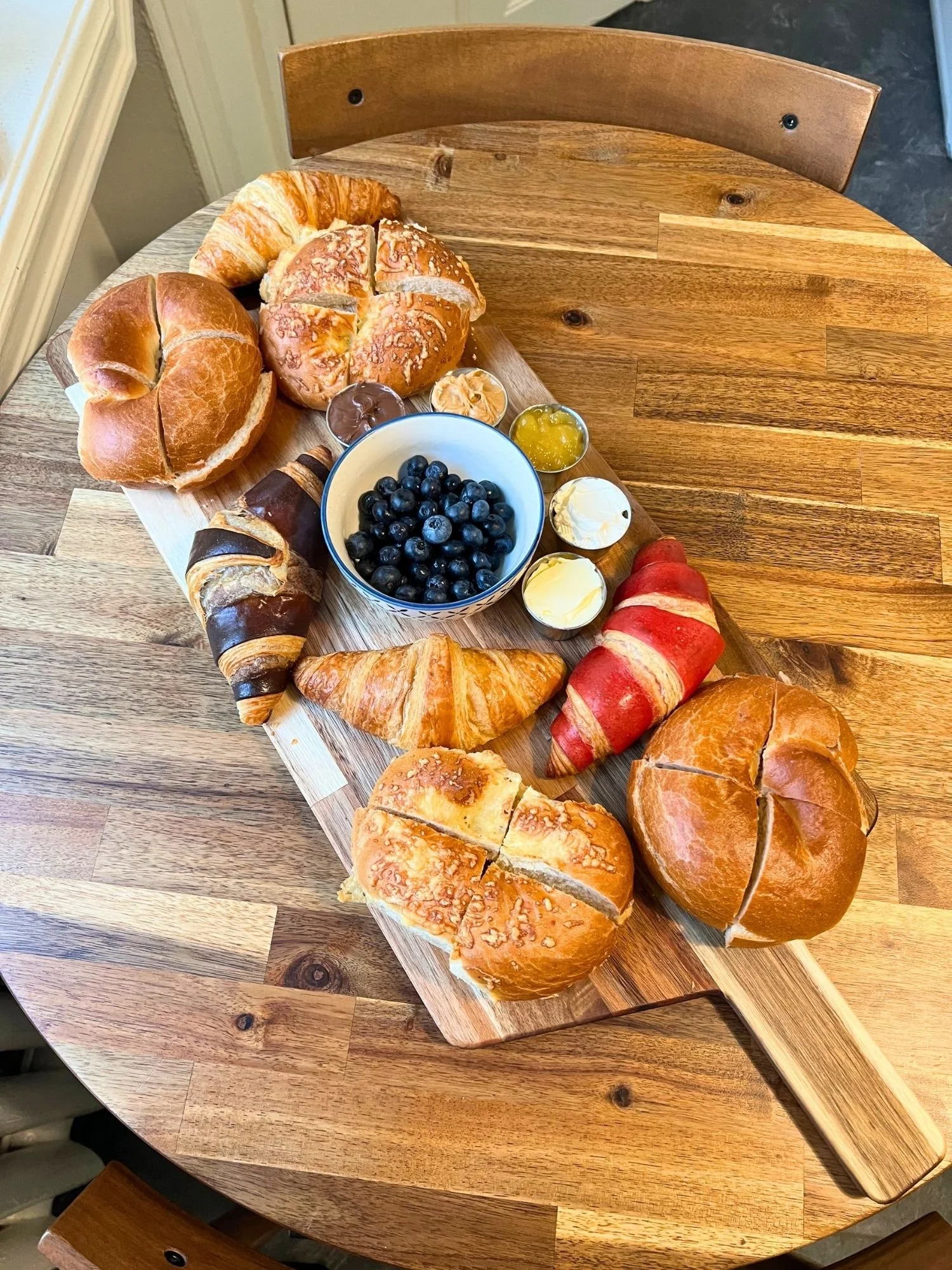
This is one of the easiest grazing boards to assemble because most of the preparation involves arranging ingredients you can buy ready-made.
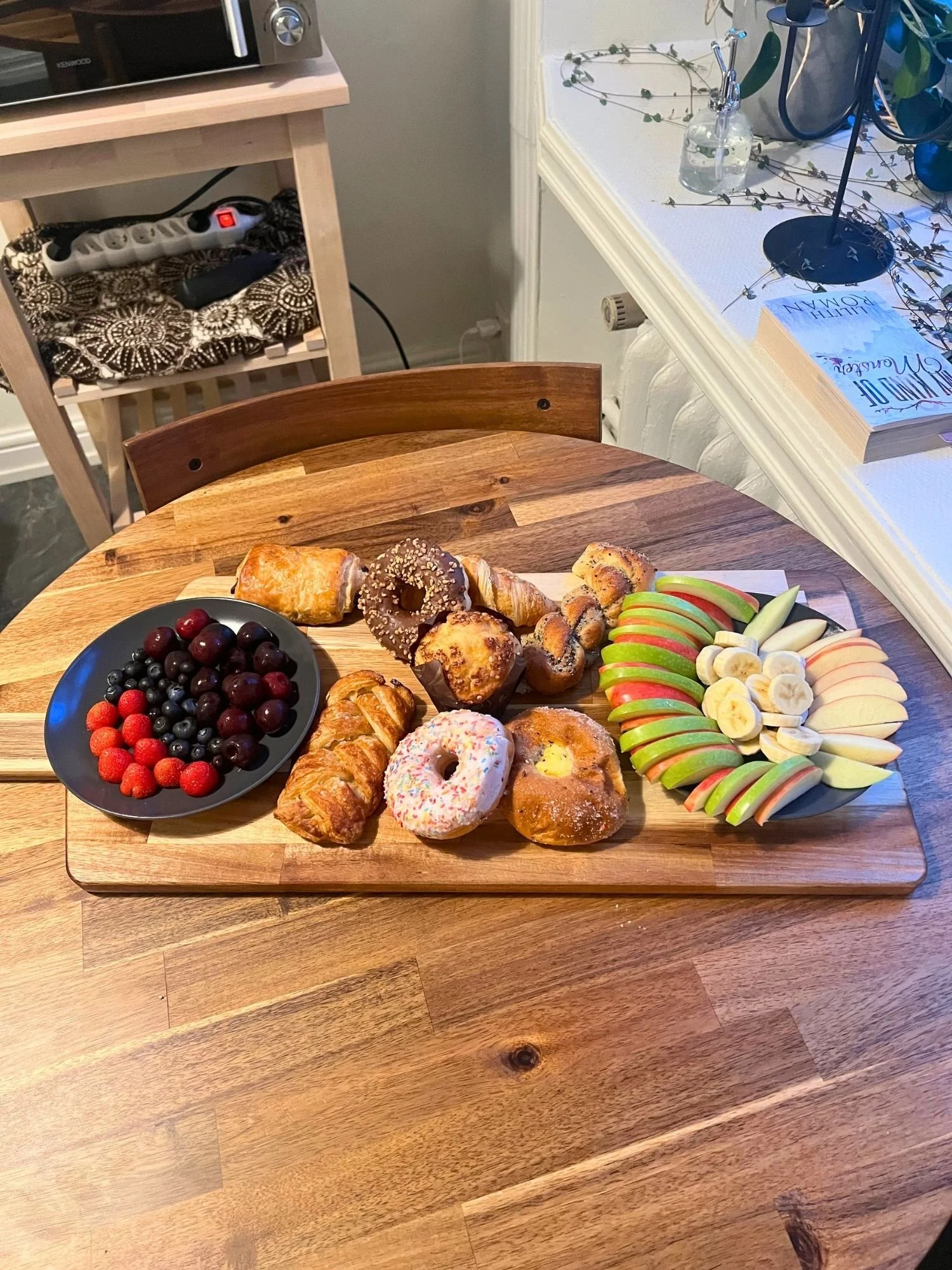
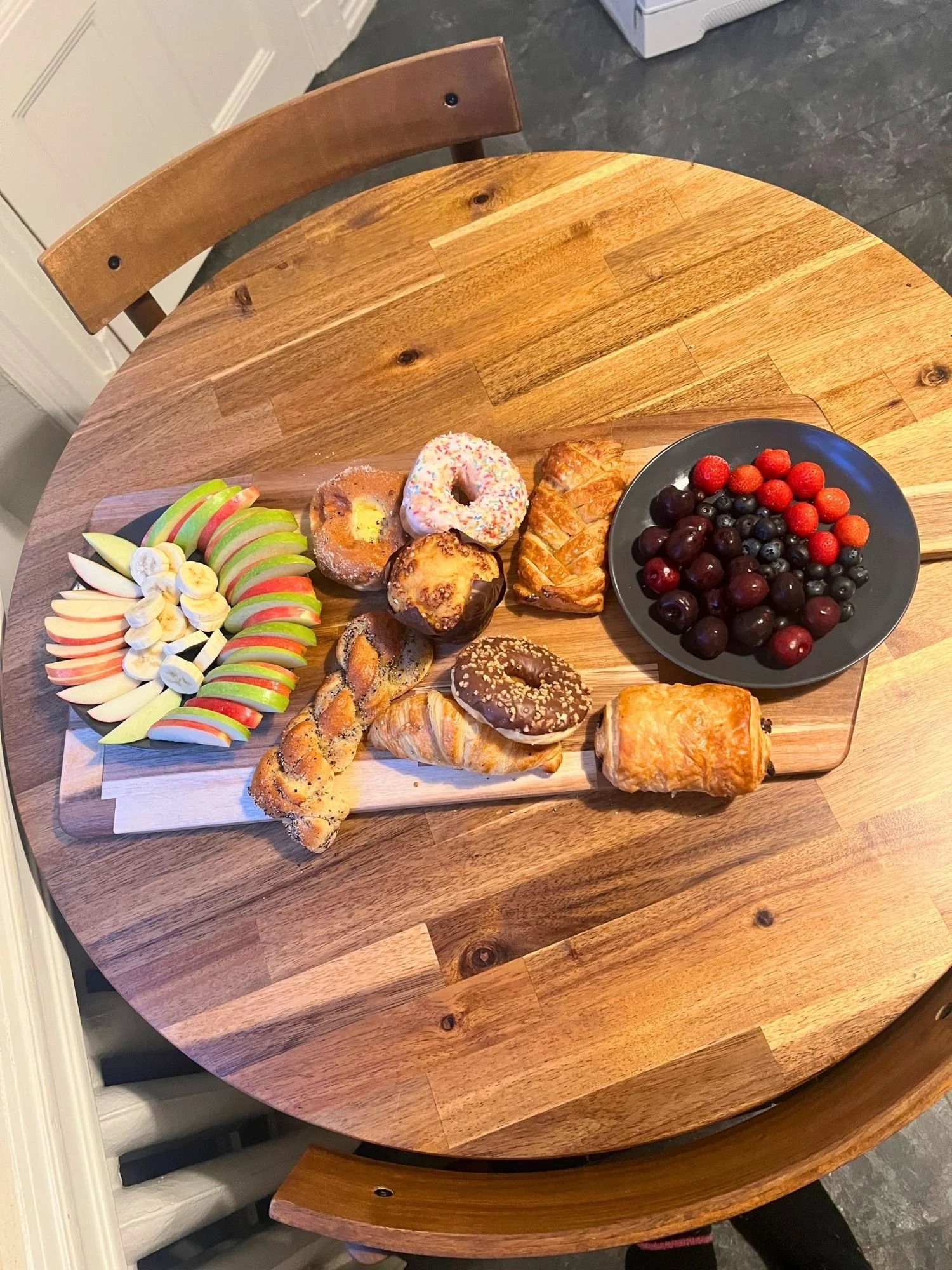
Pastry and fruit board
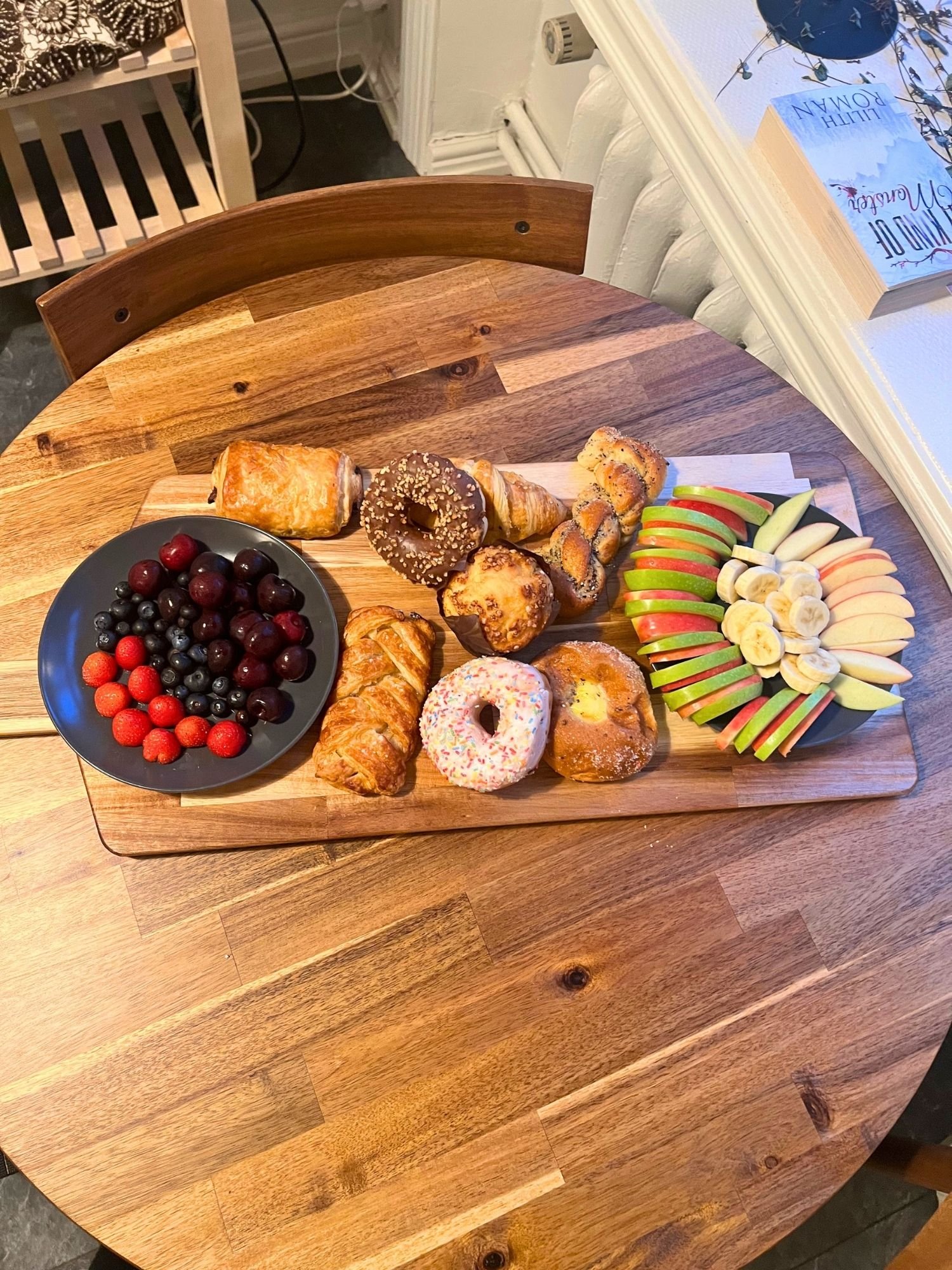
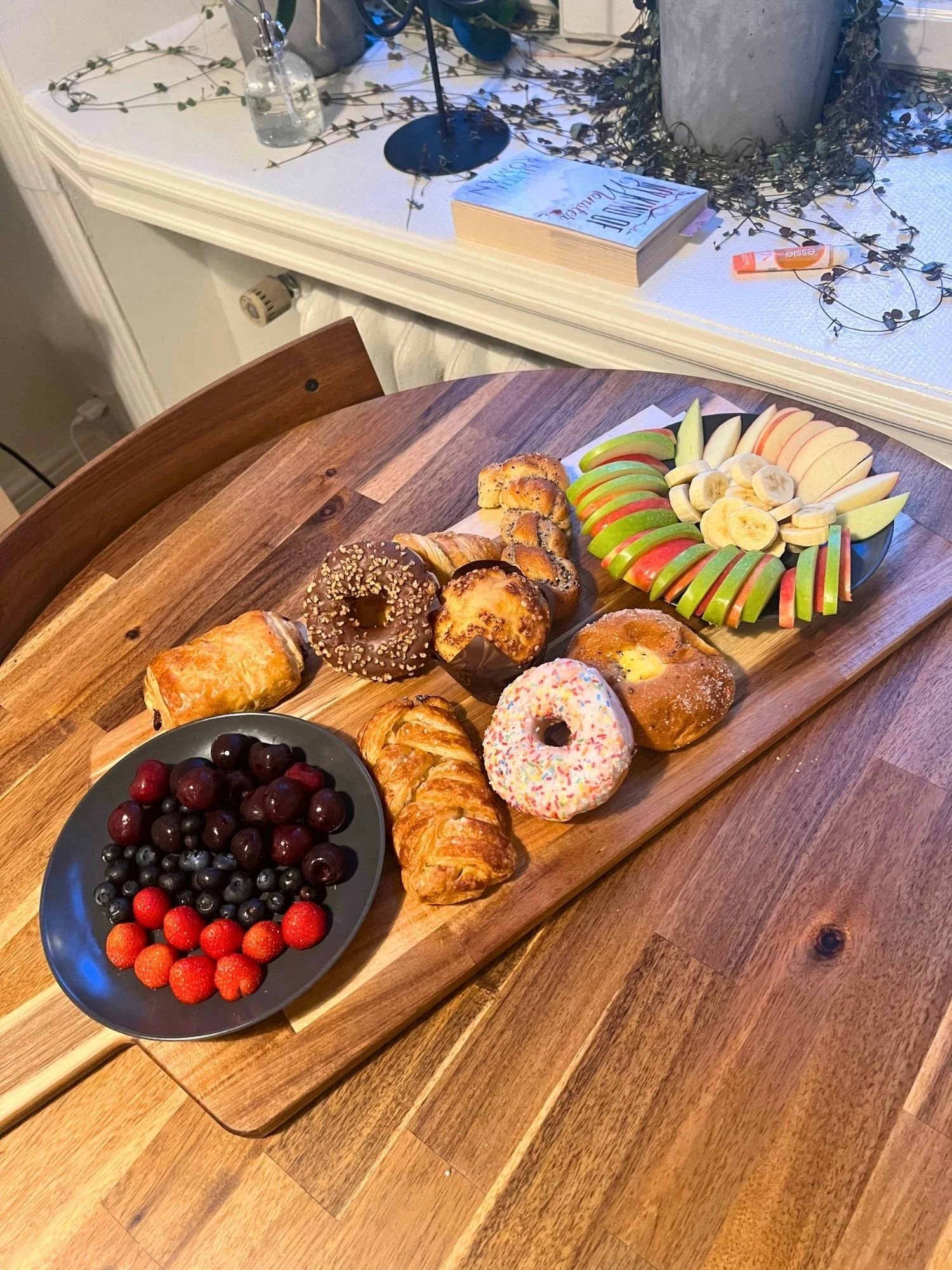
If you love a bakery breakfast, a pastry and fruit board is a great way to serve your favorites. Combine pastries such croissants, pain au chocolat, cinnamon rolls, Danishes, and mini muffins with a generous selection of fresh fruit.
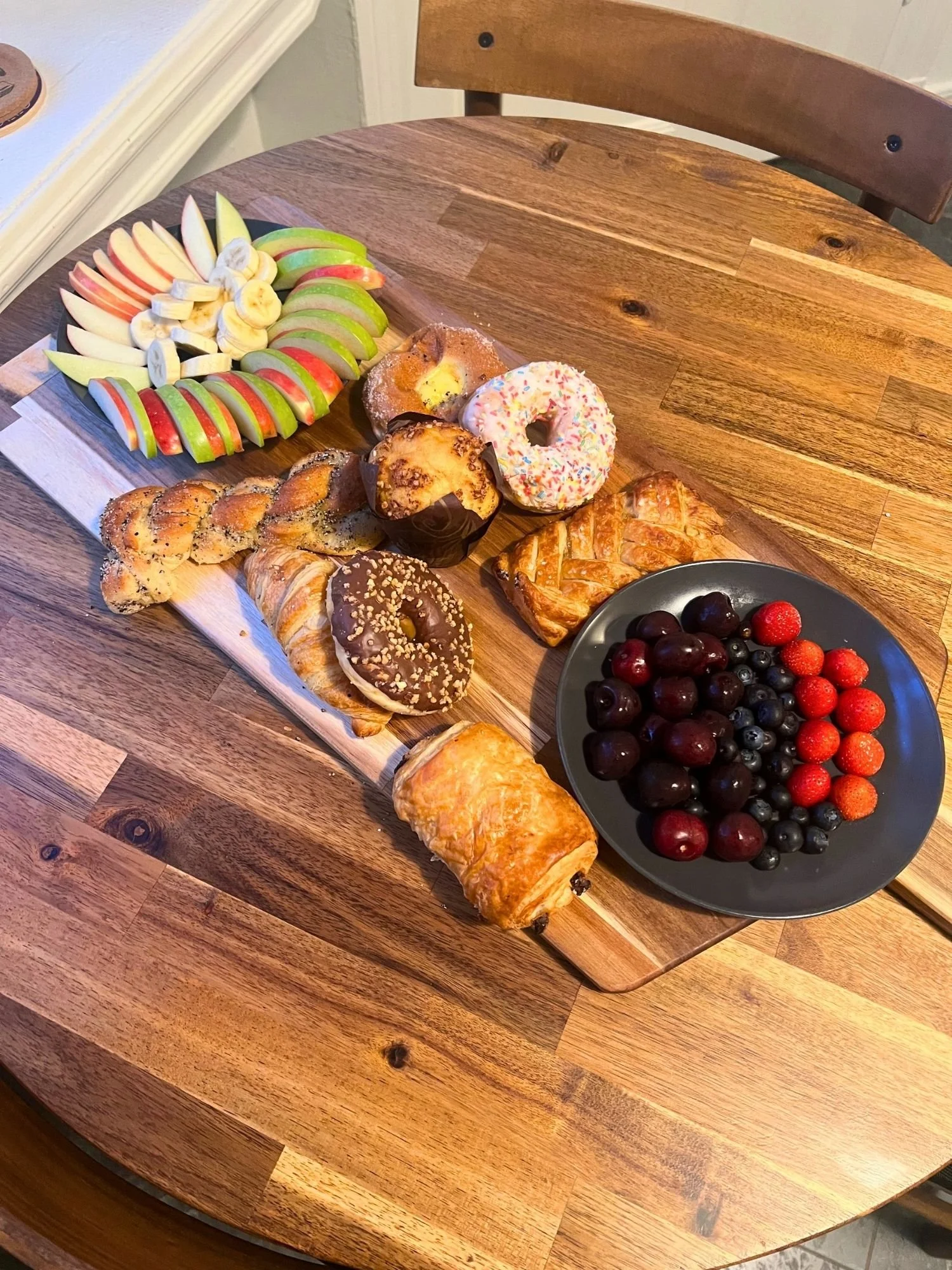
Strawberries, blueberries, raspberries, grapes, orange segments, and sliced kiwi all add vibrant colors to the board. You can also add yogurt, fruit compote, or chocolate sauce.
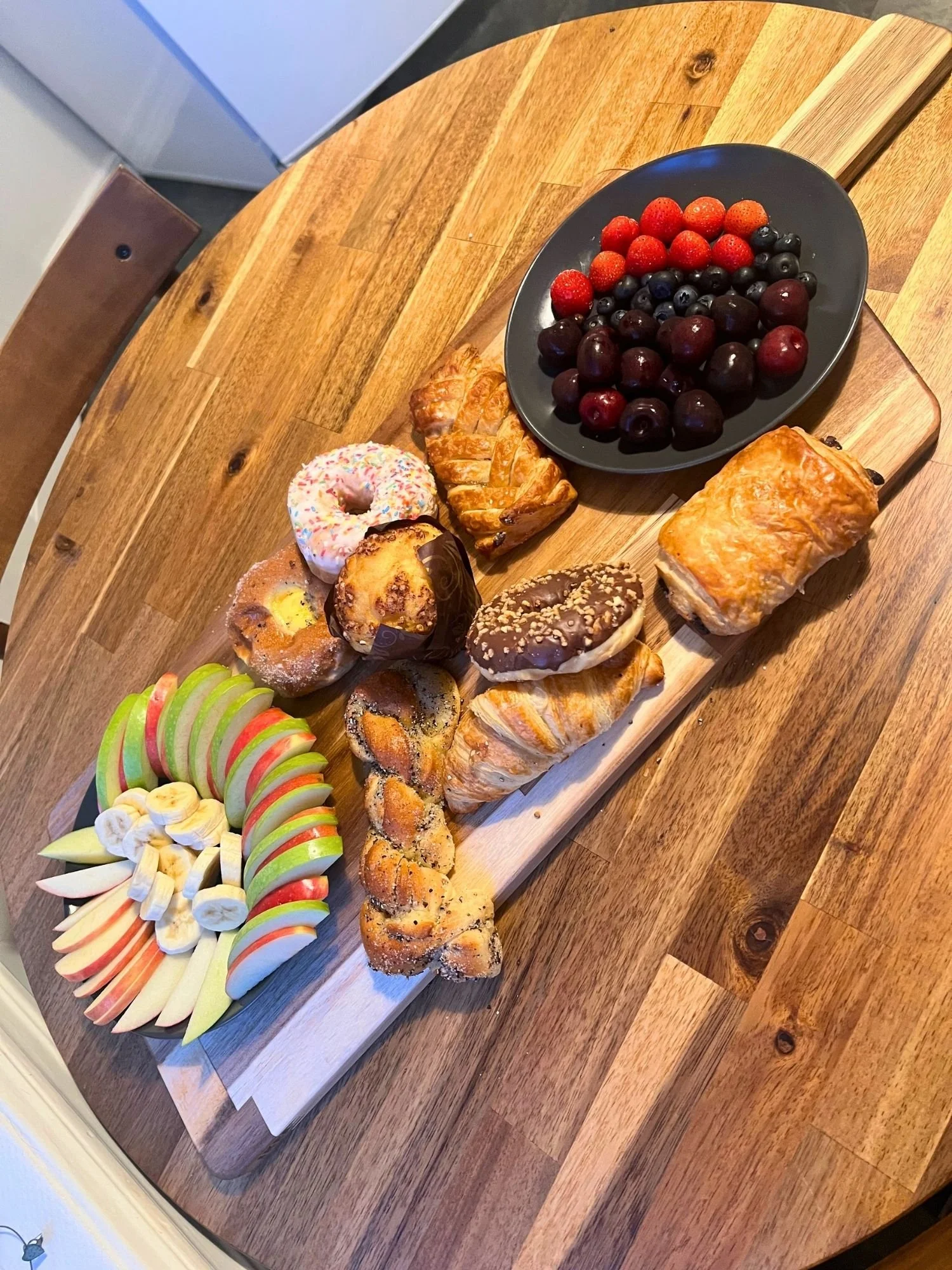
Choose a mixture of pastry shapes and sizes to create visual interest, and place the fruit in small clusters between them. This board works especially well for brunch!
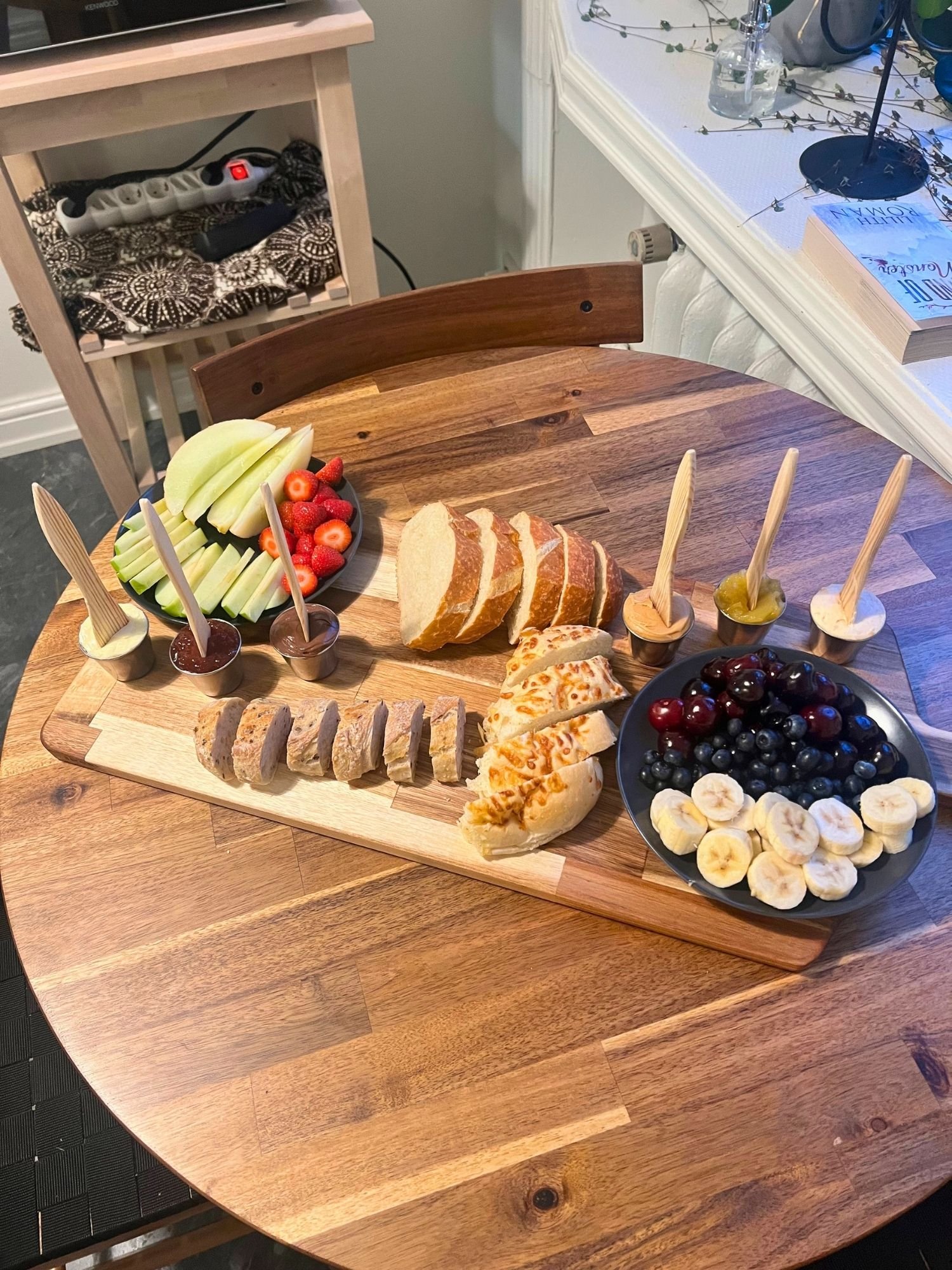
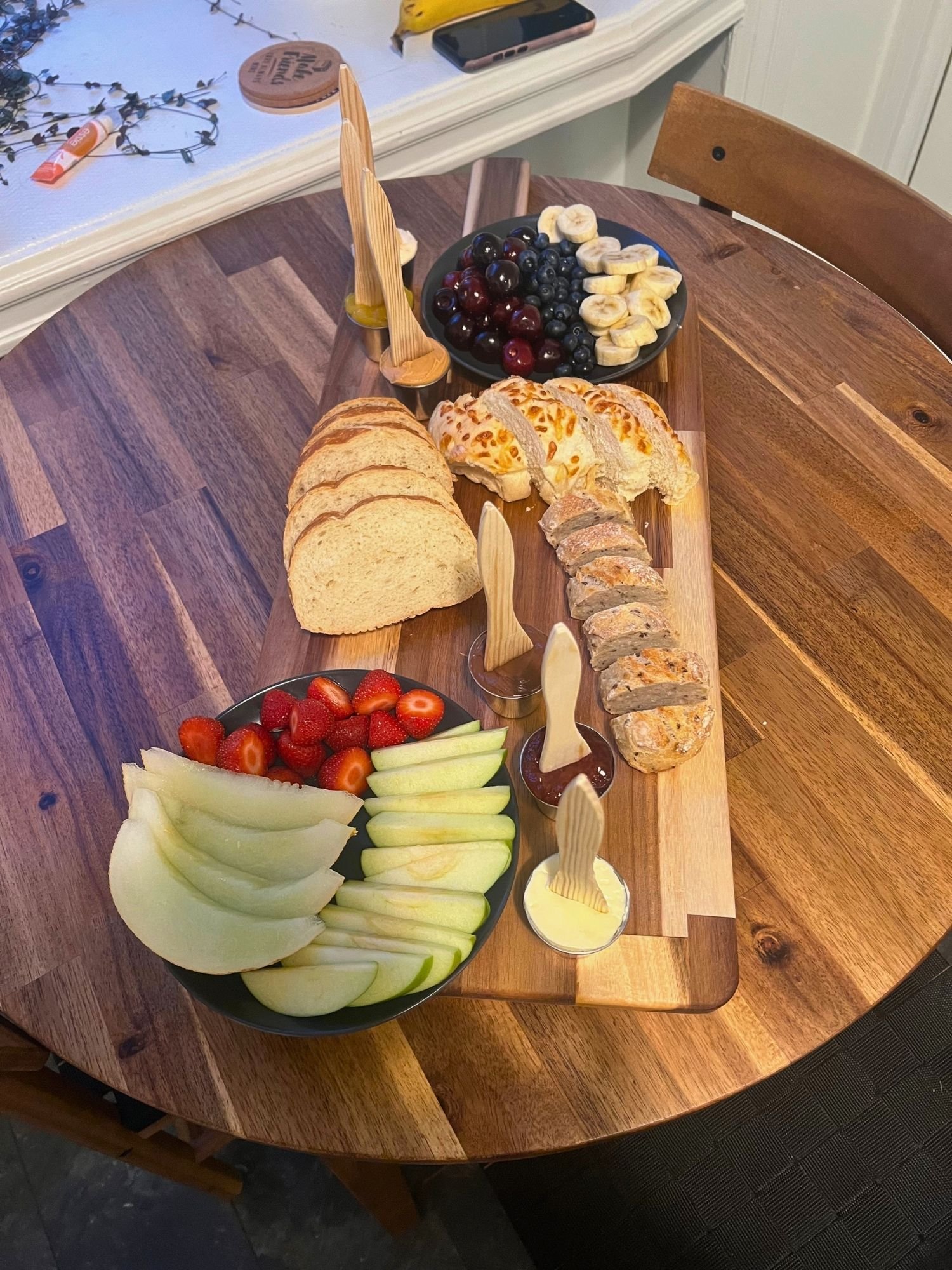
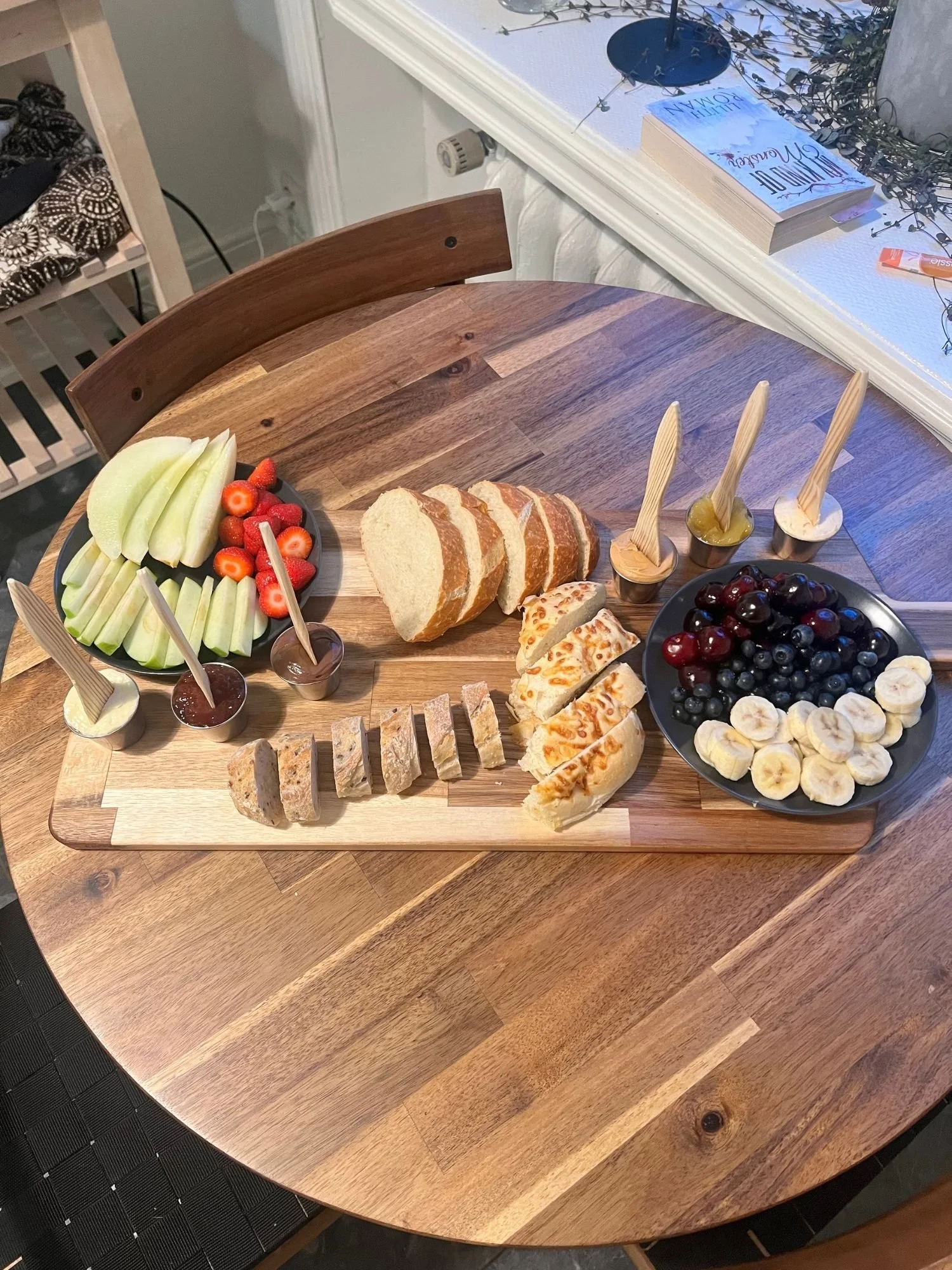
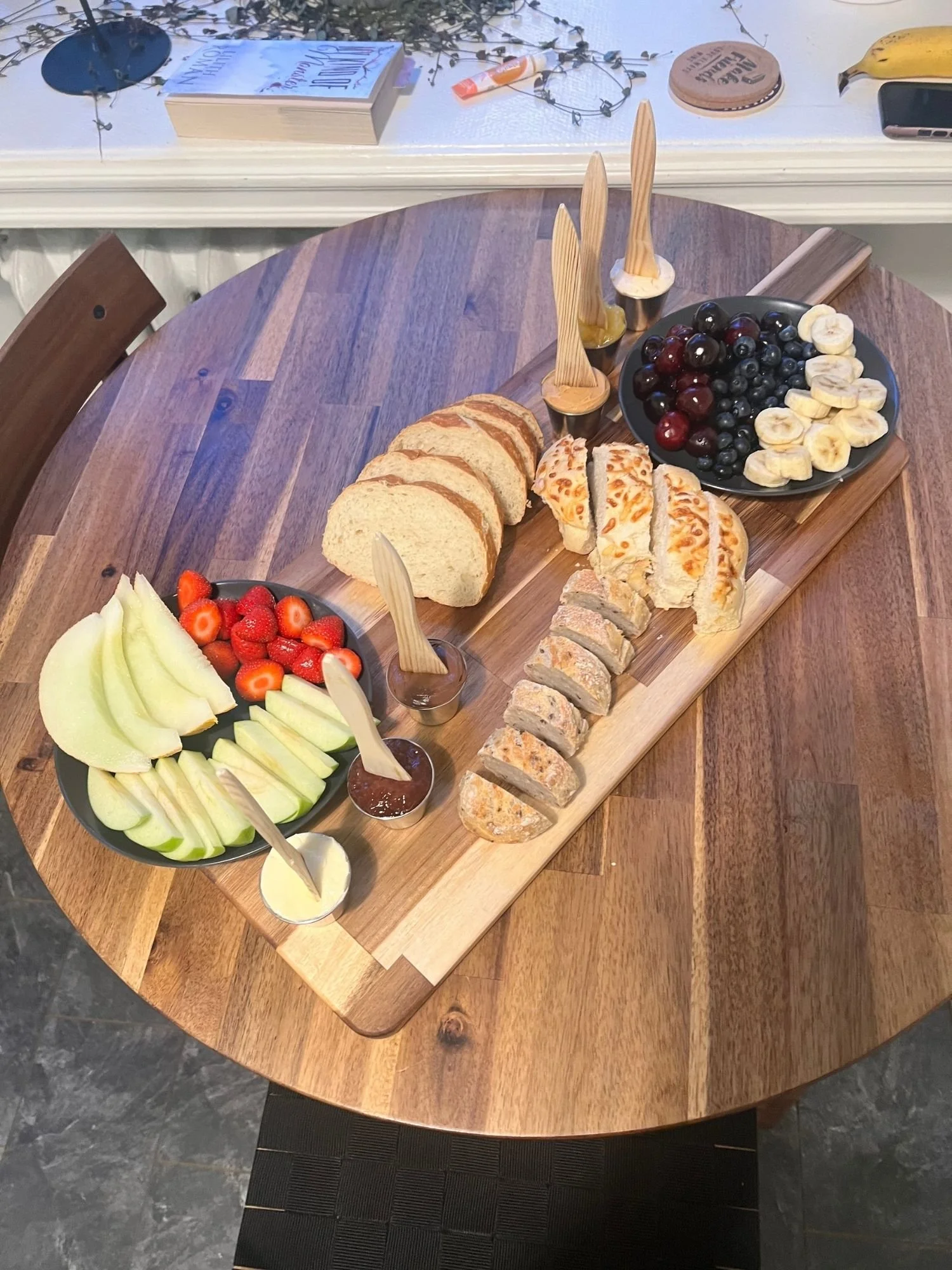
Bread and spreads board
A bread and spreads board is a perfect choice when you want a customizable breakfast without buying lots of different ingredients.
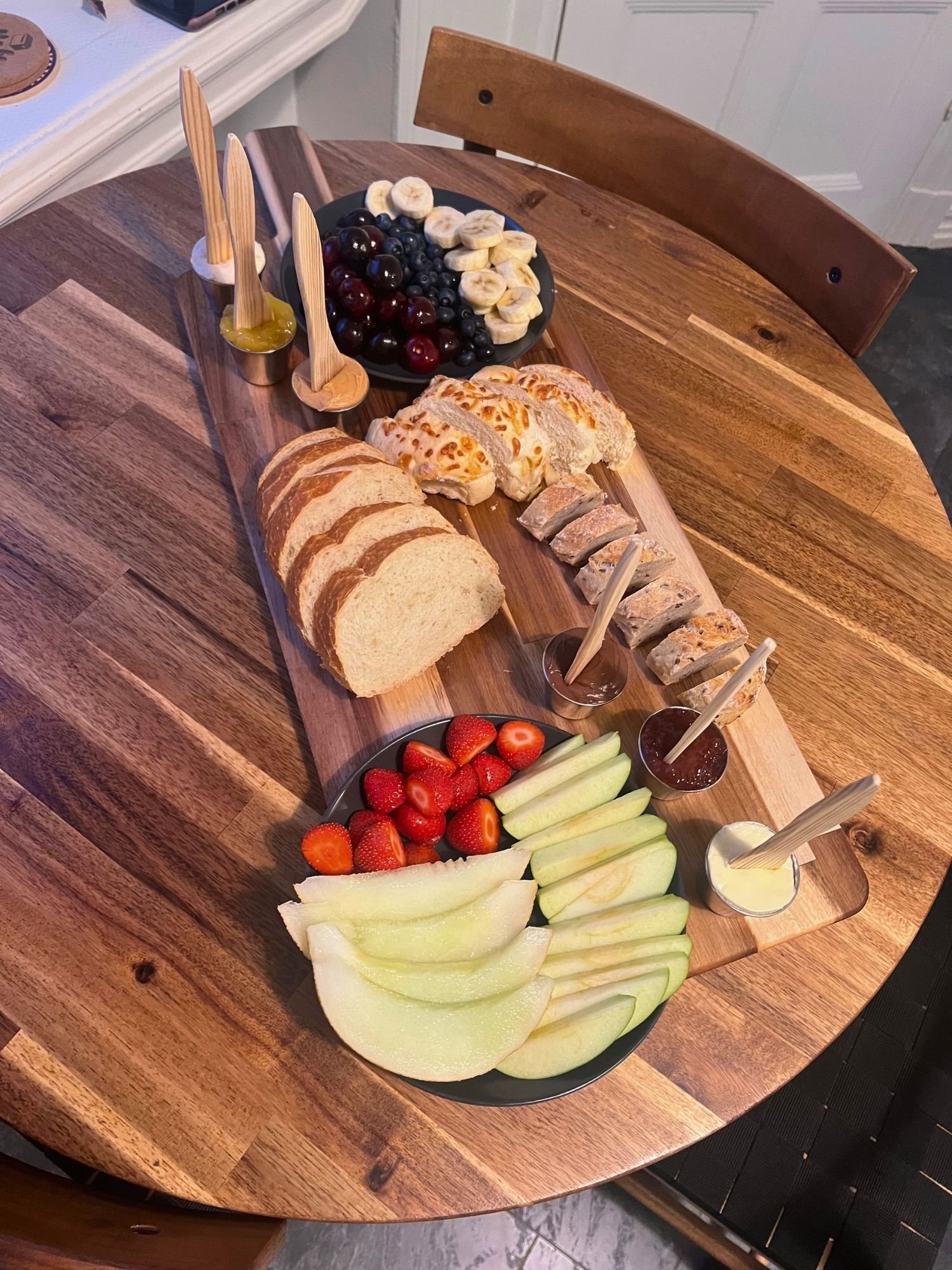
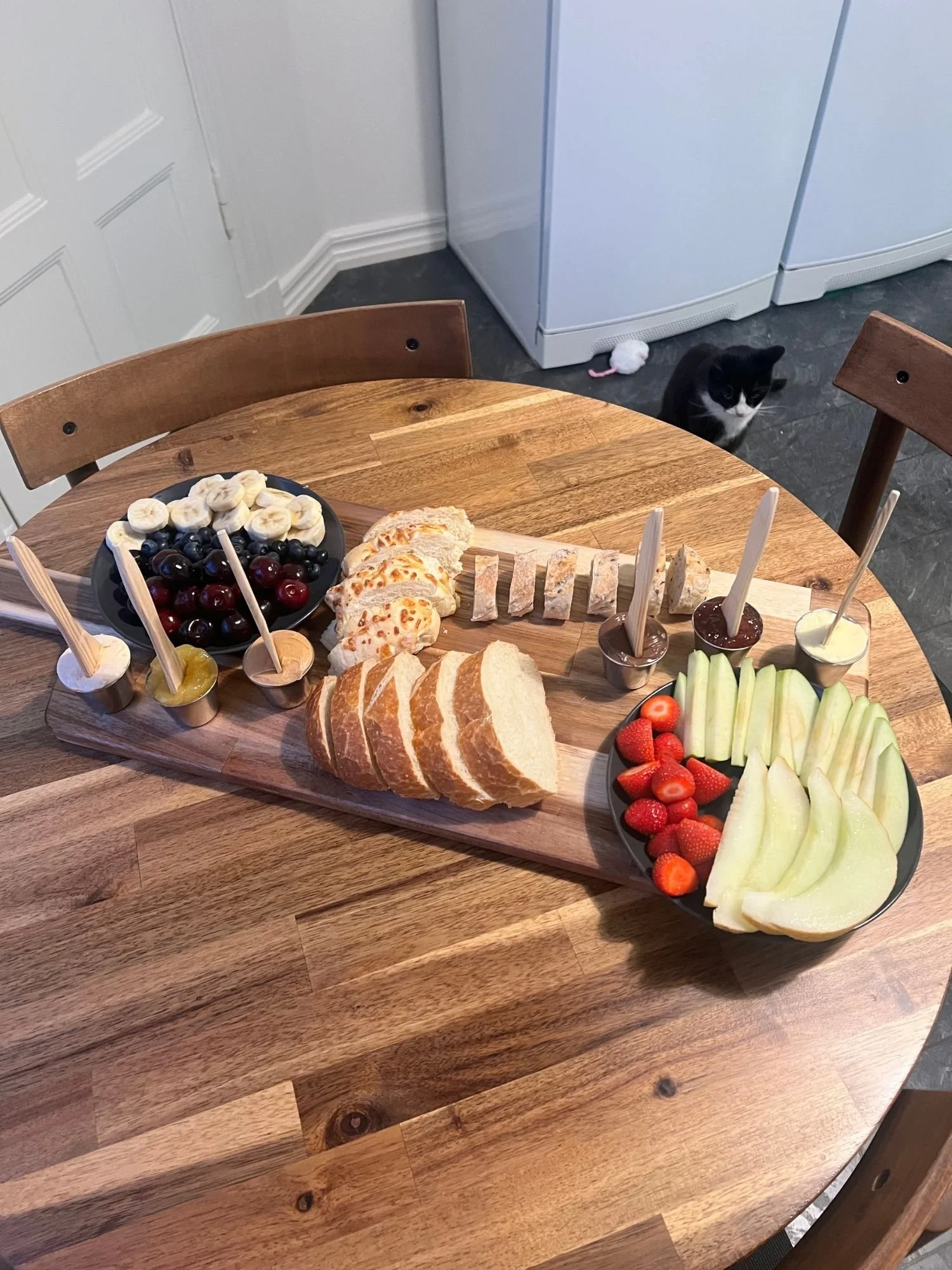
Offer a selection of bread, such as sourdough slices, toast, rolls, or crispbread, alongside a variety of spreads. You could include jam, honey, peanut butter, Nutella, cream cheese, hummus, or soft cheese.
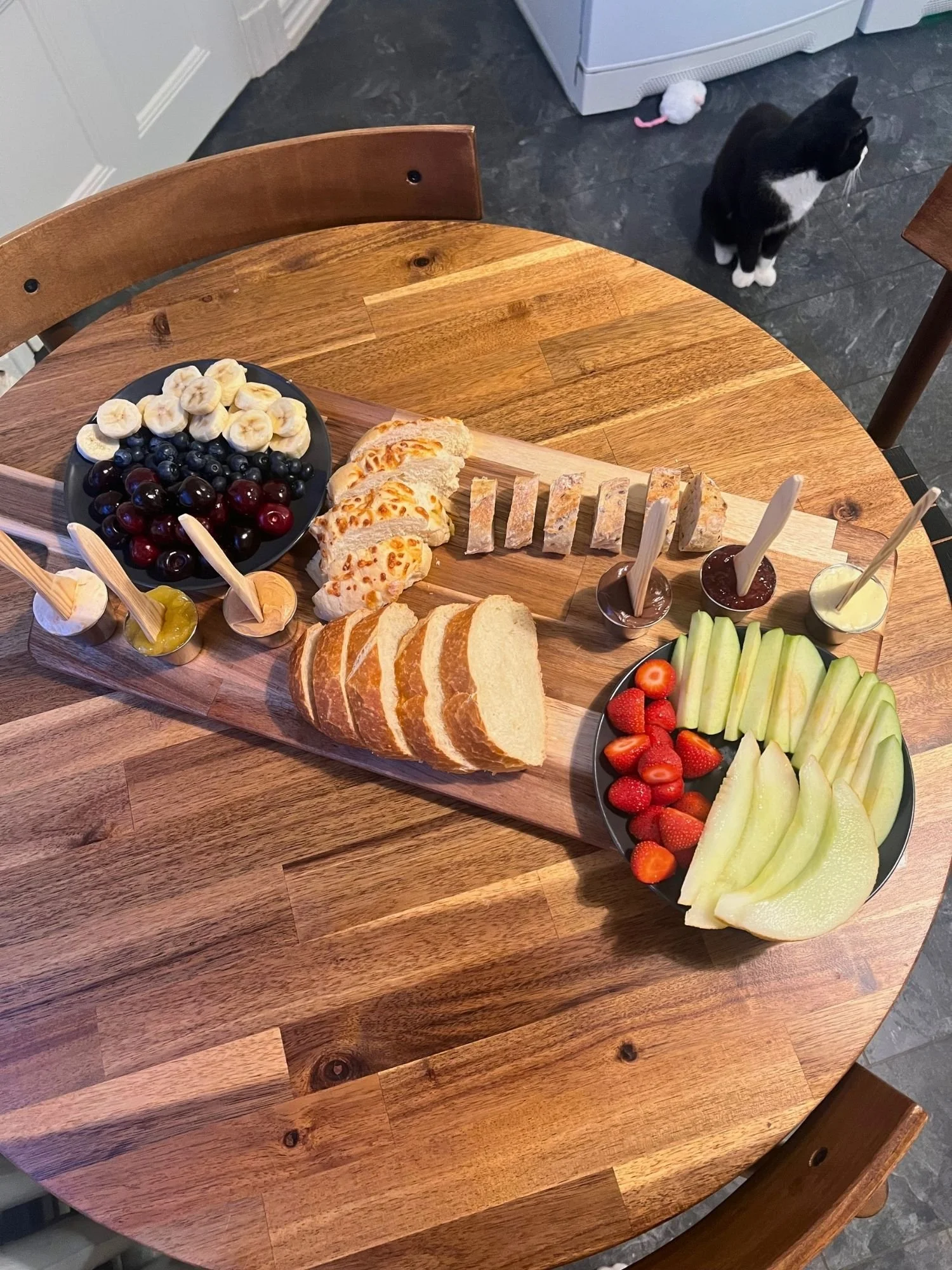
Add fresh fruit to bring some color to the board. For example, sliced bananas and strawberries pair well with sweet spreads.
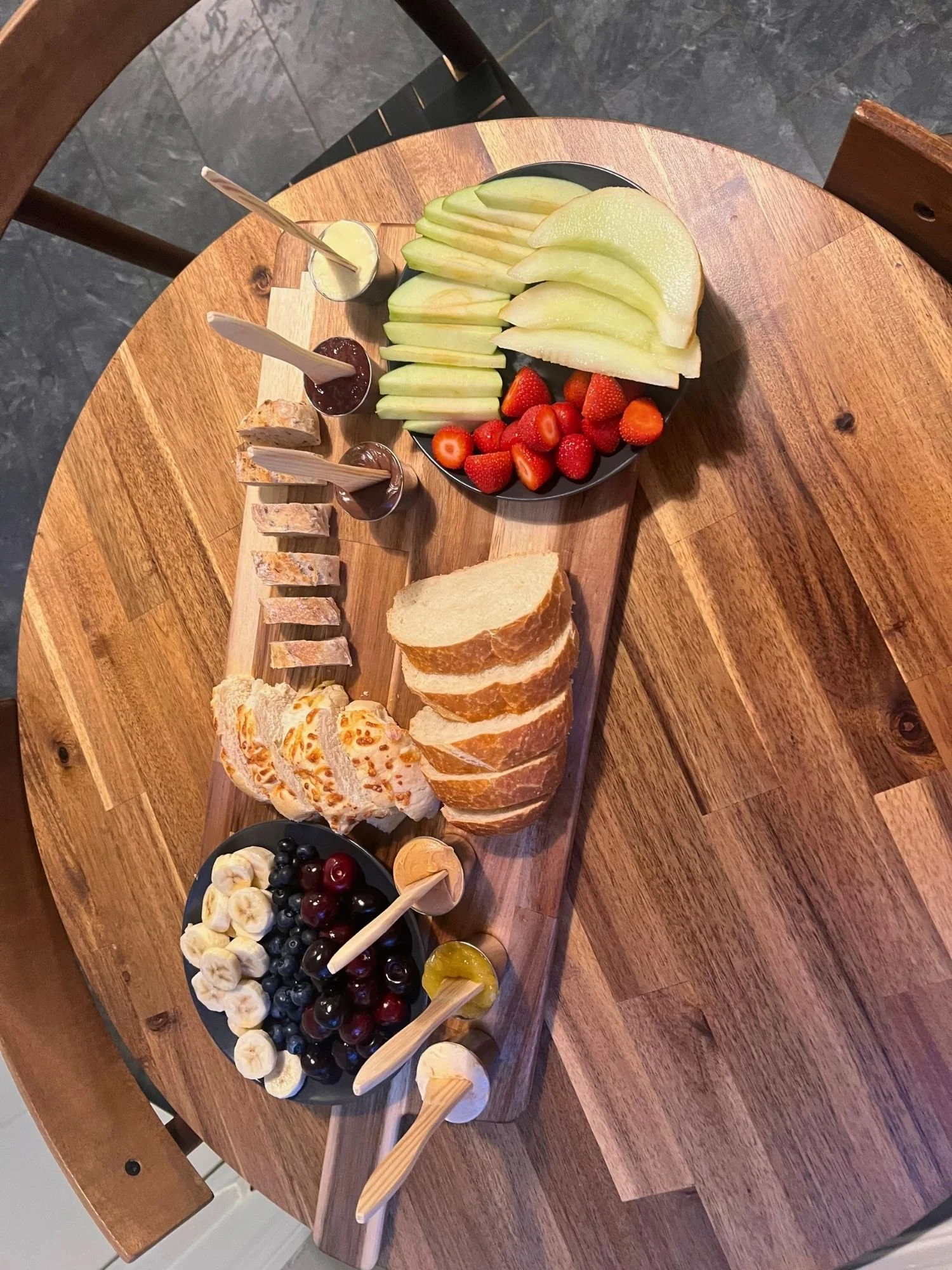
As a breakfast for two, this can be as simple as a few slices of bread, three or four spreads, and some fruit arranged on a small platter. For a larger brunch, just increase the quantities and add more variety.
Lunch and savory grazing boards
A grazing board a great way to serve a meal when everyone wants to try a little bit of everything, and also offer endless possibilities for party food. Here are some ideas for different themes and food combinations.
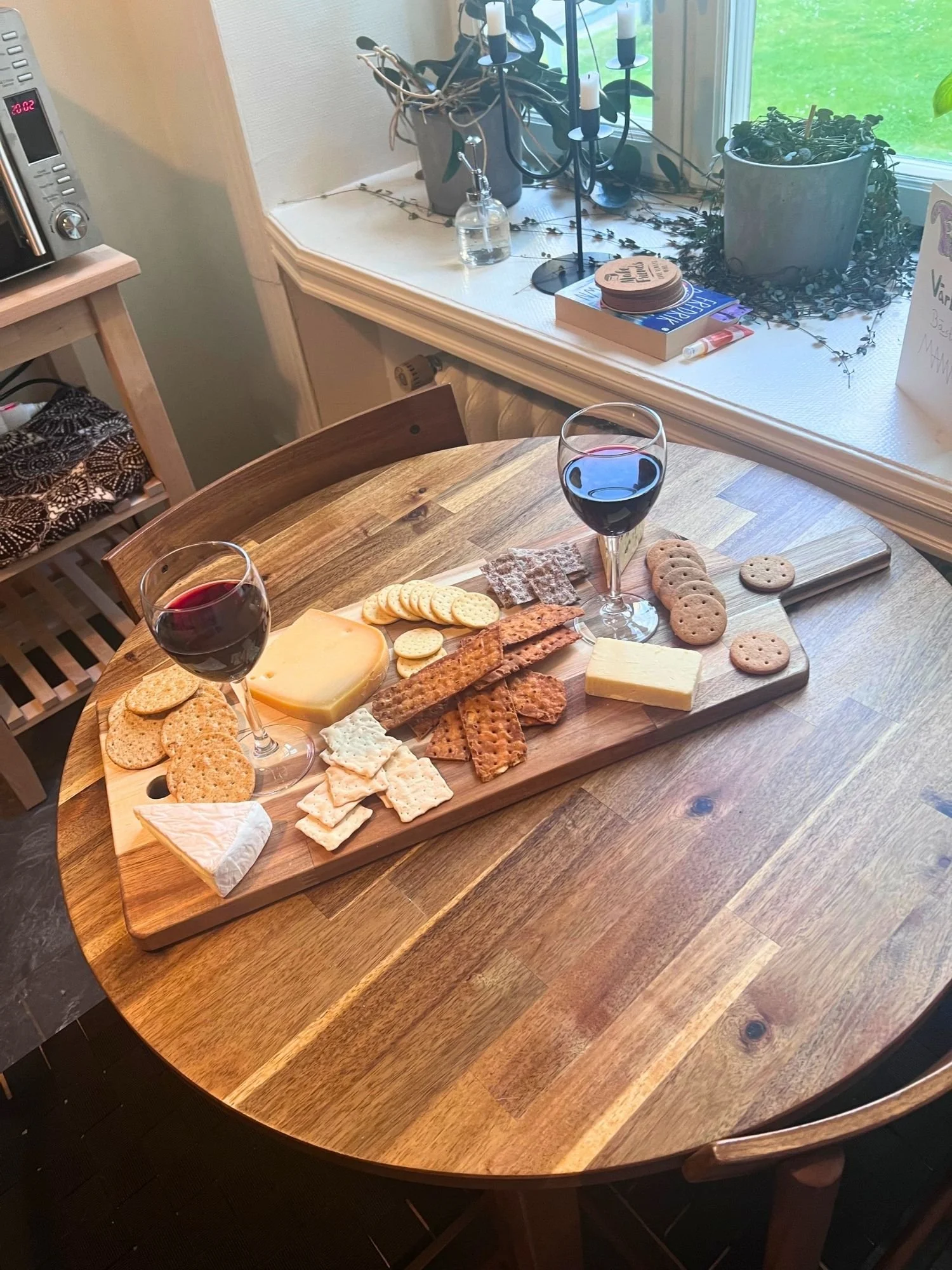
Cheese and crackers board
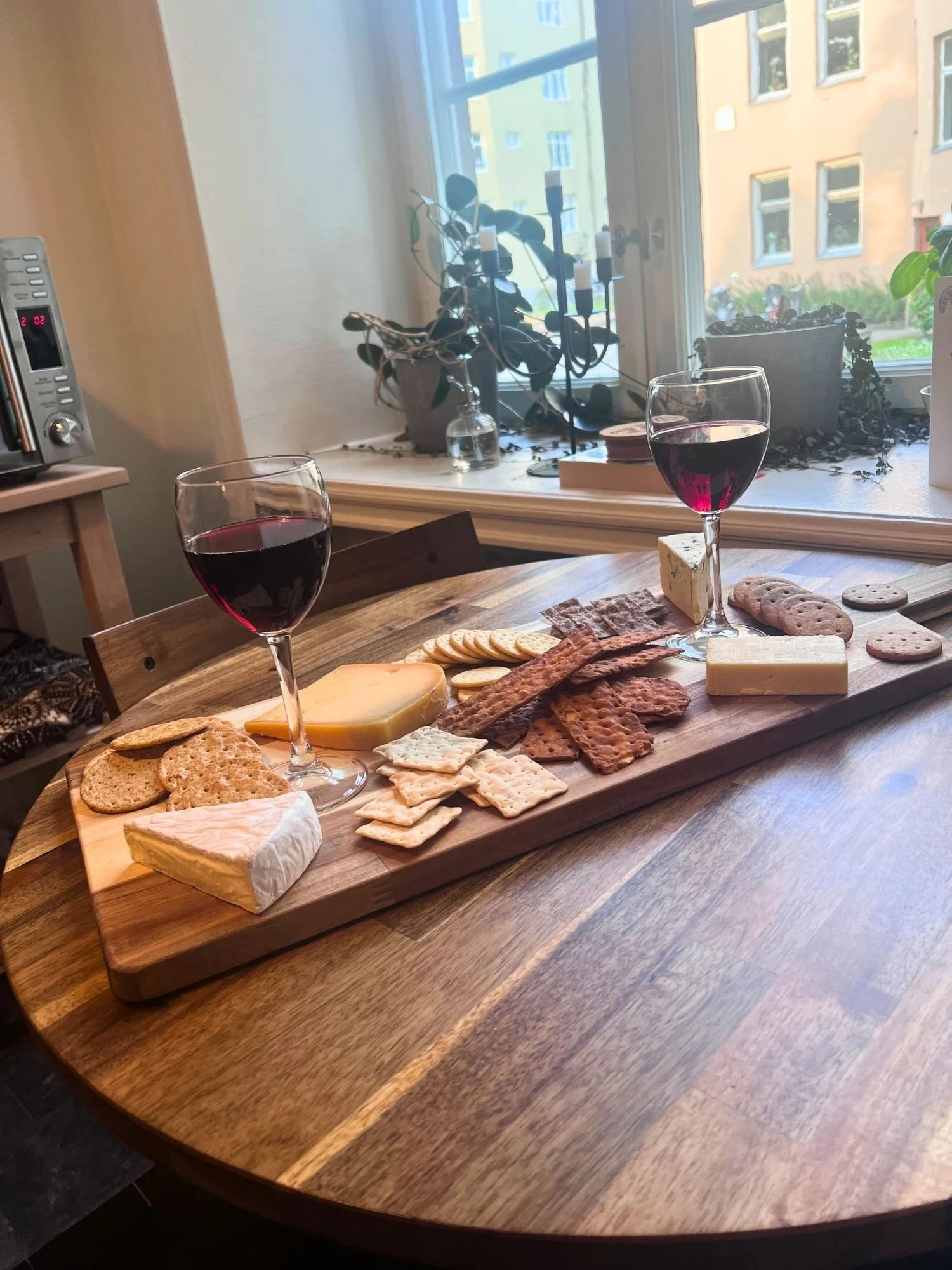
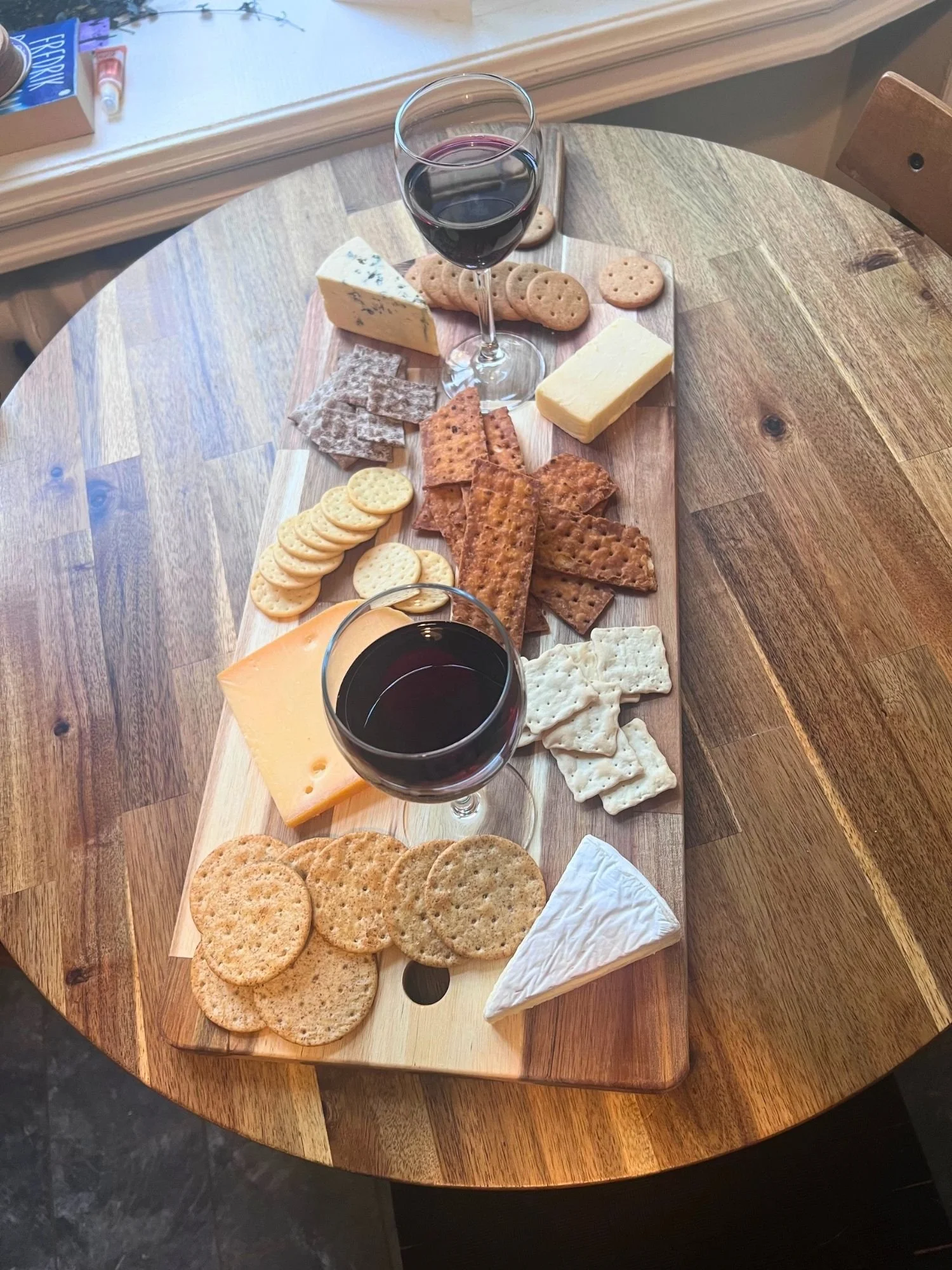
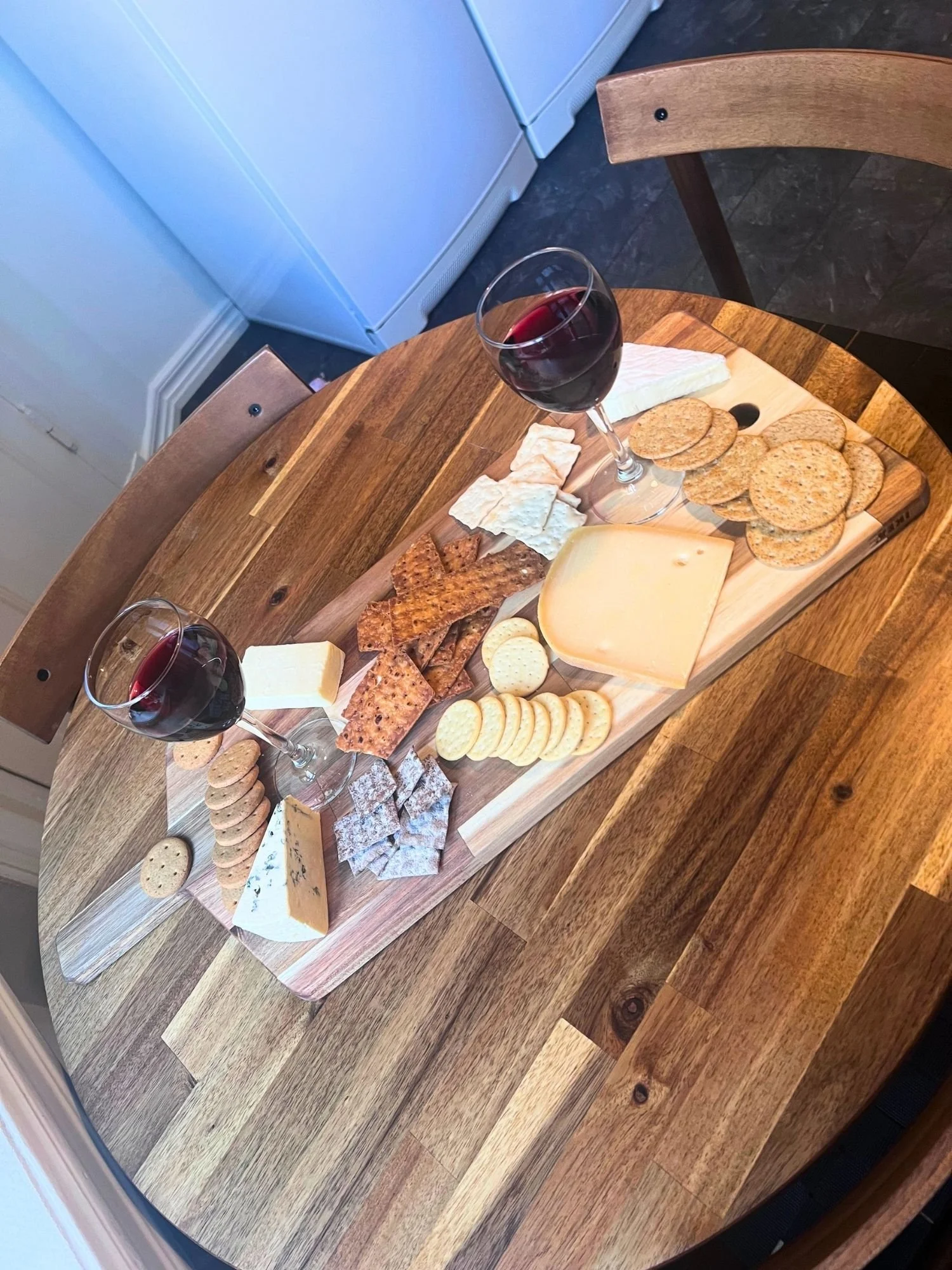
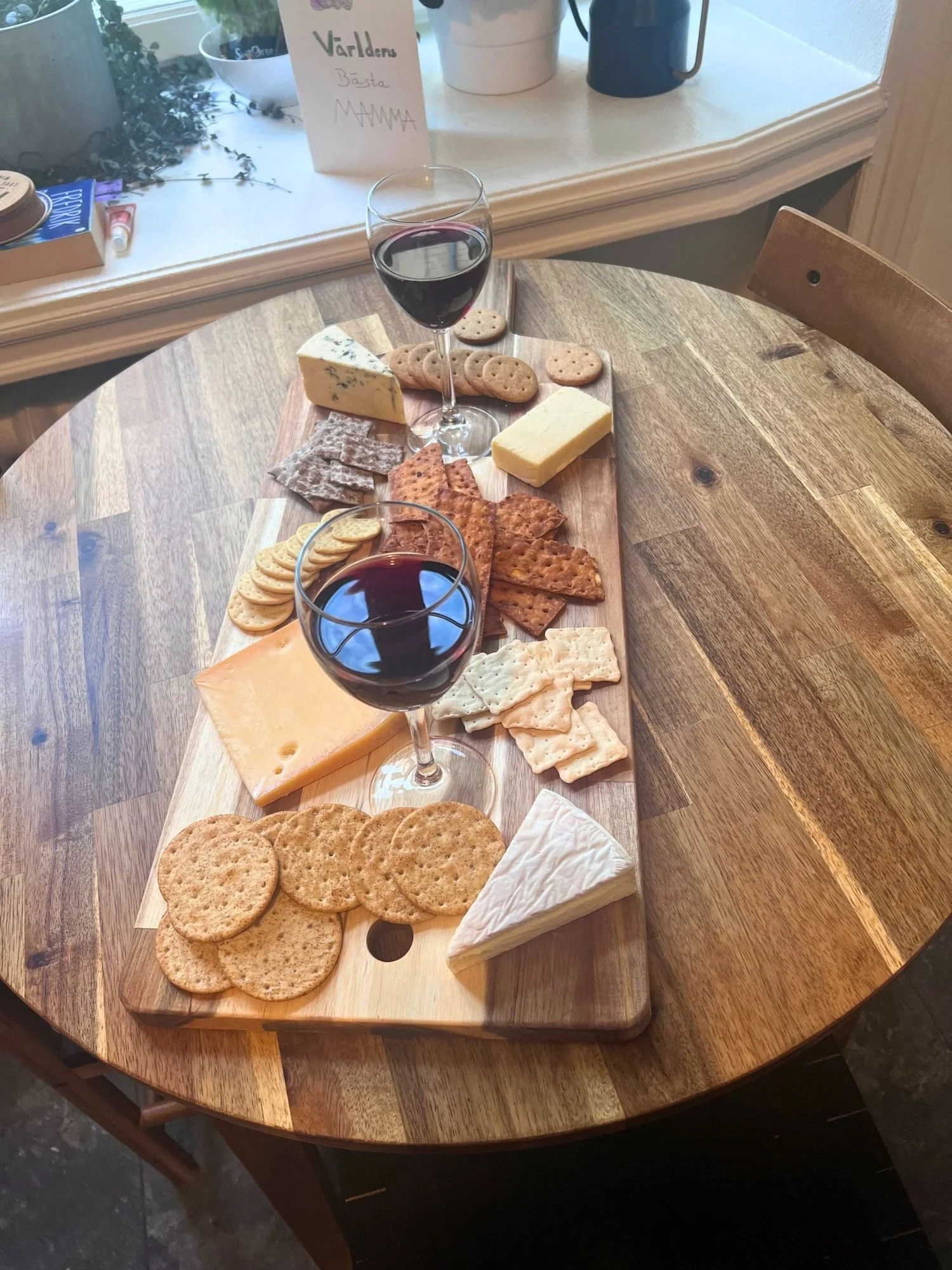
You can't go wrong with classic cheese and crackers. It's one of the simplest ways to create an inviting vegetarian charcuterie spread, and you can make it as minimal or elaborate as you like.
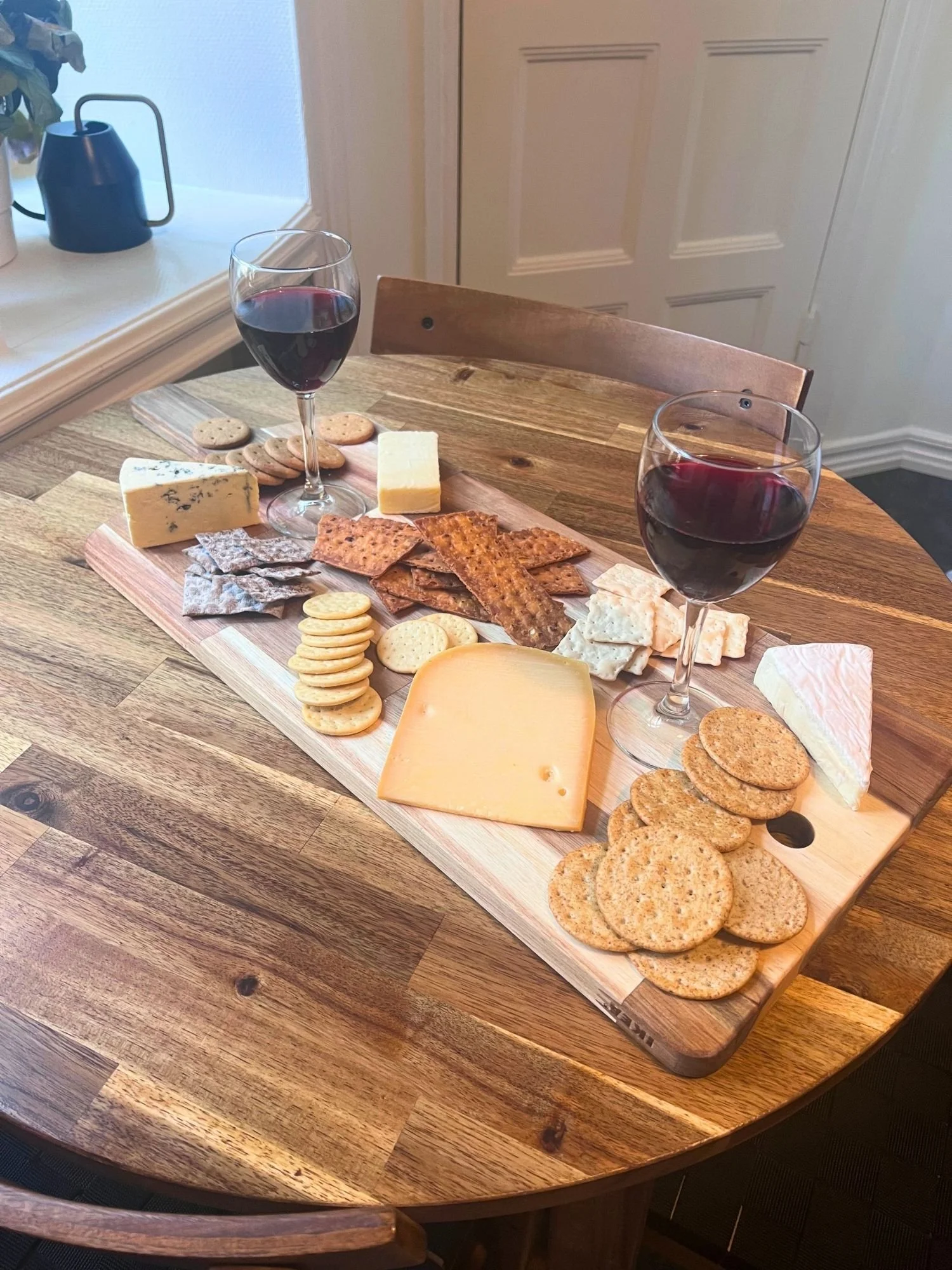
Choose some cheeses with different flavors and textures, such as creamy brie, mature cheddar, and tangy goat cheese. Add crackers in a few different shapes, along with extras such as grapes, apple slices, olives, nuts, or dried apricots. You can also add chutney, fig jam, or honey to provide a sweet contrast to the savory cheeses.
Arrange the cheeses first, then fill the remaining spaces with crackers, fruit, and whichever other items you’re including. A little variety goes a long way!
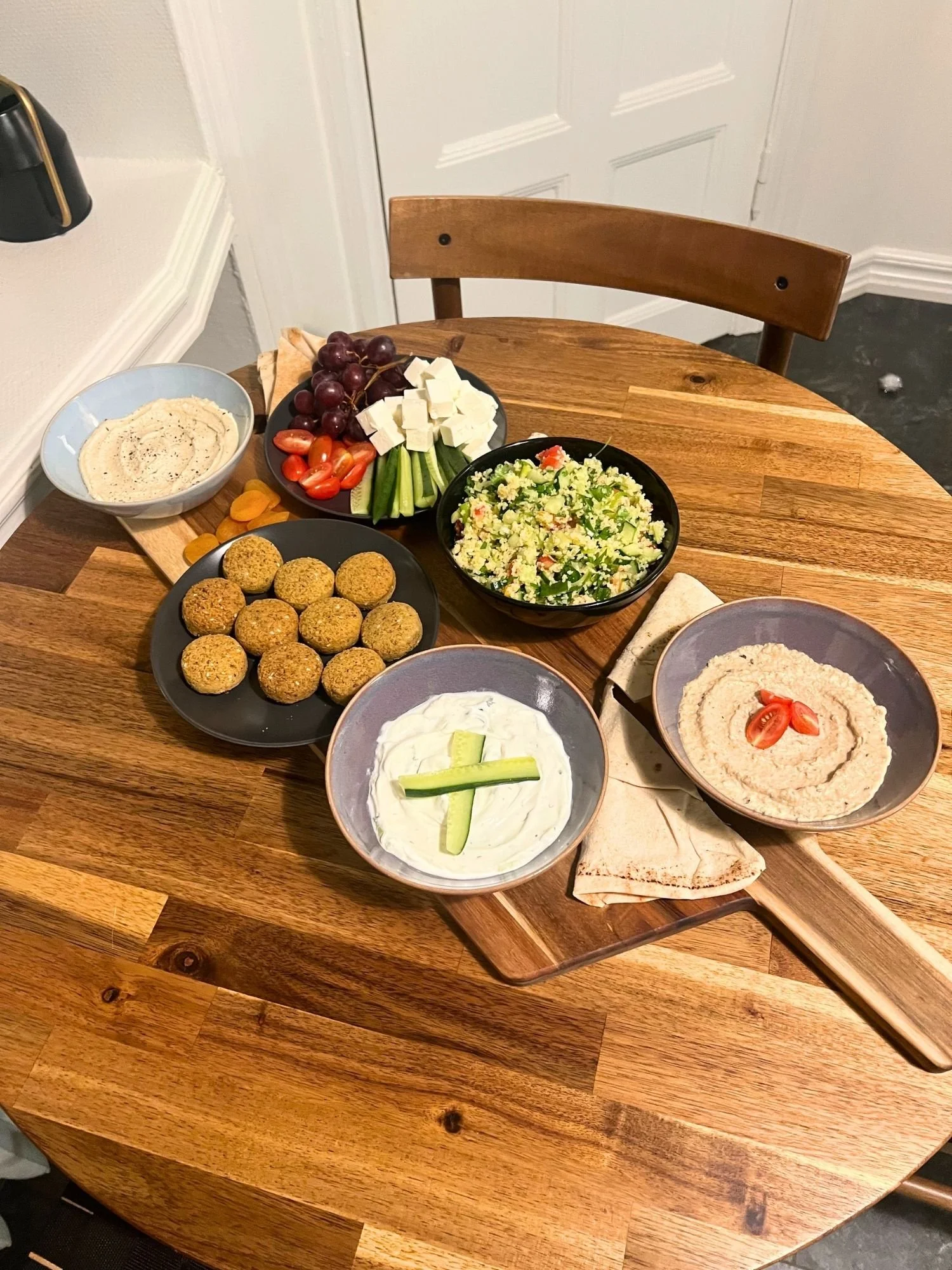
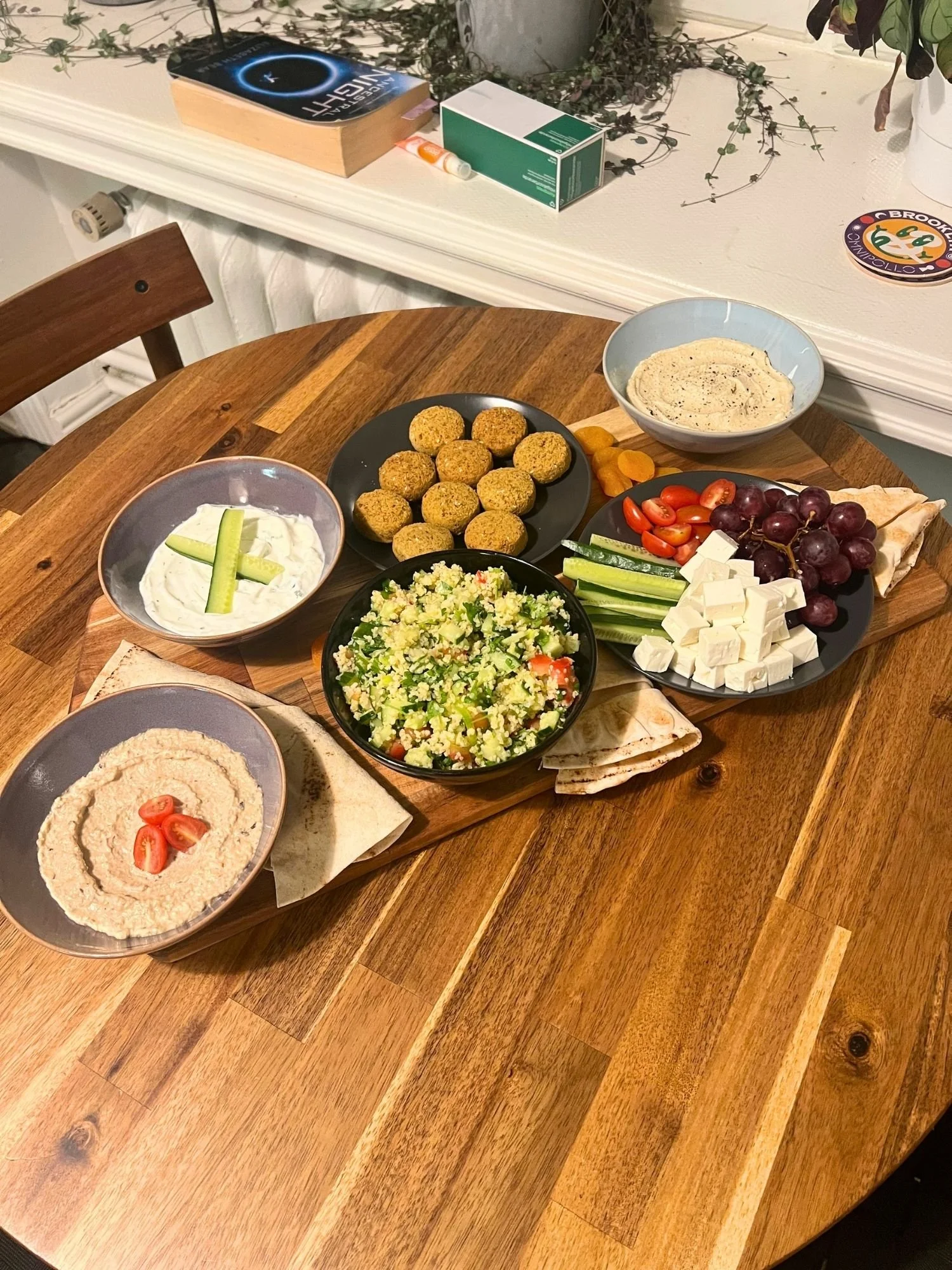
Mediterranean mezze board
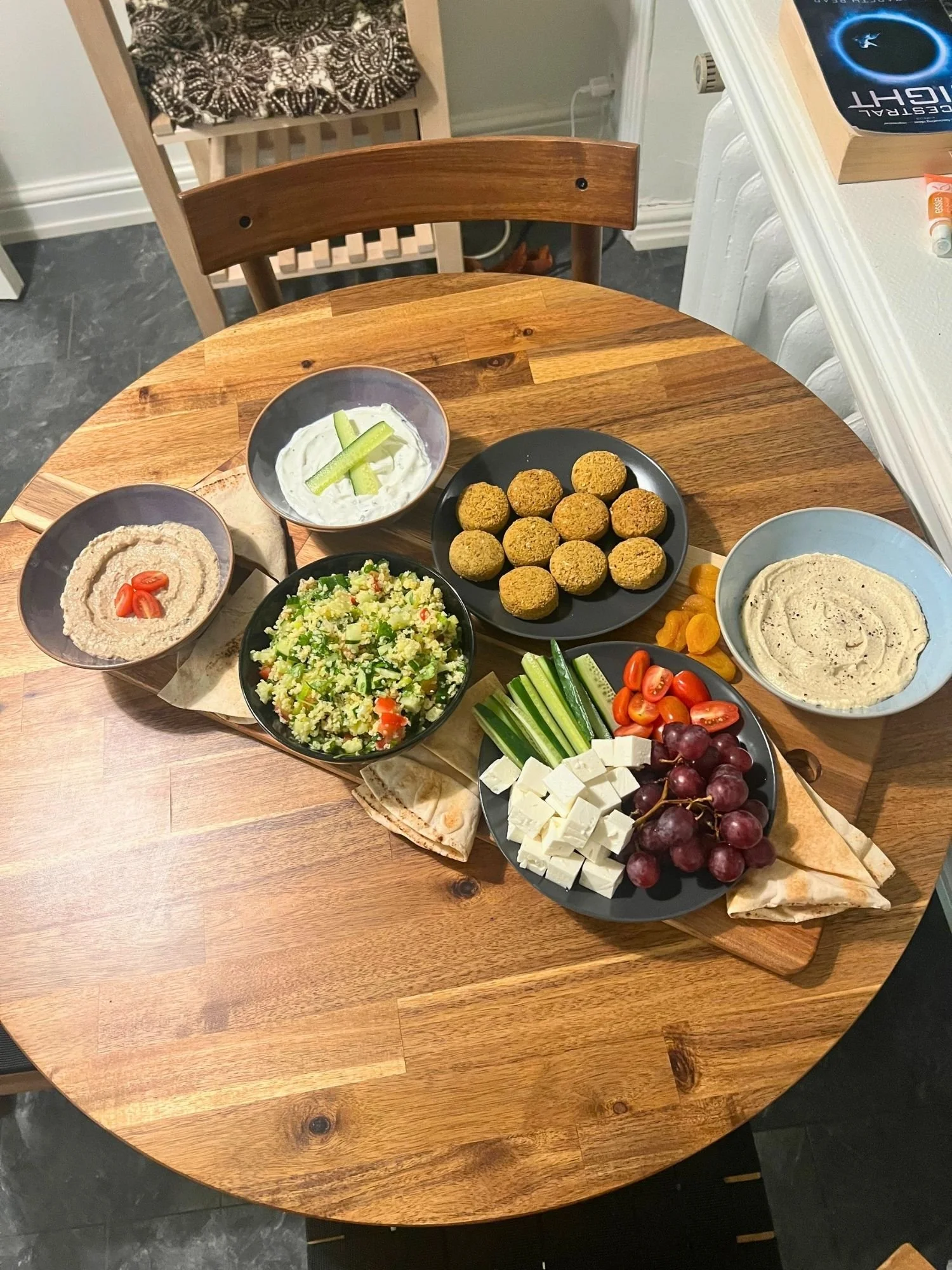
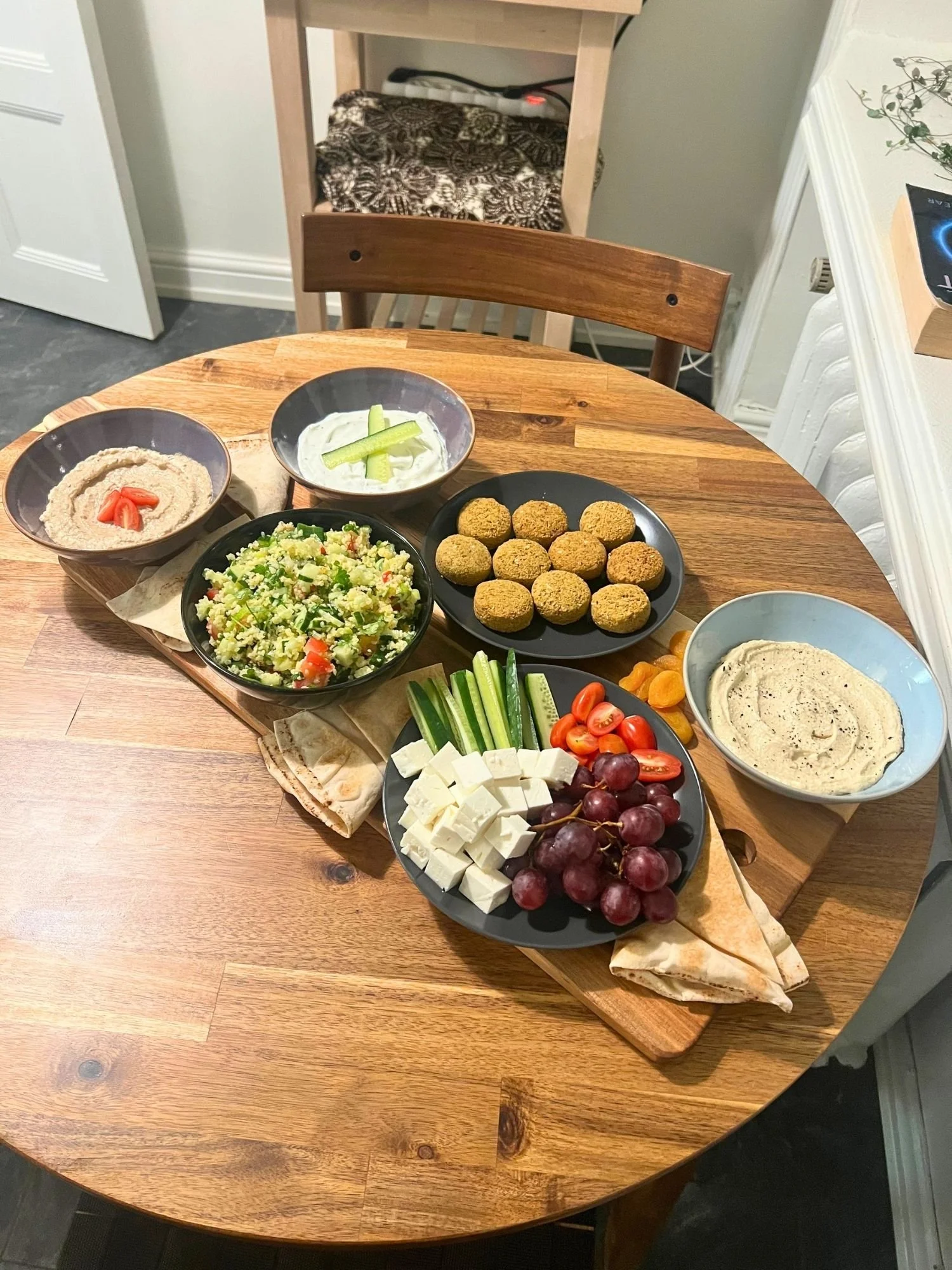
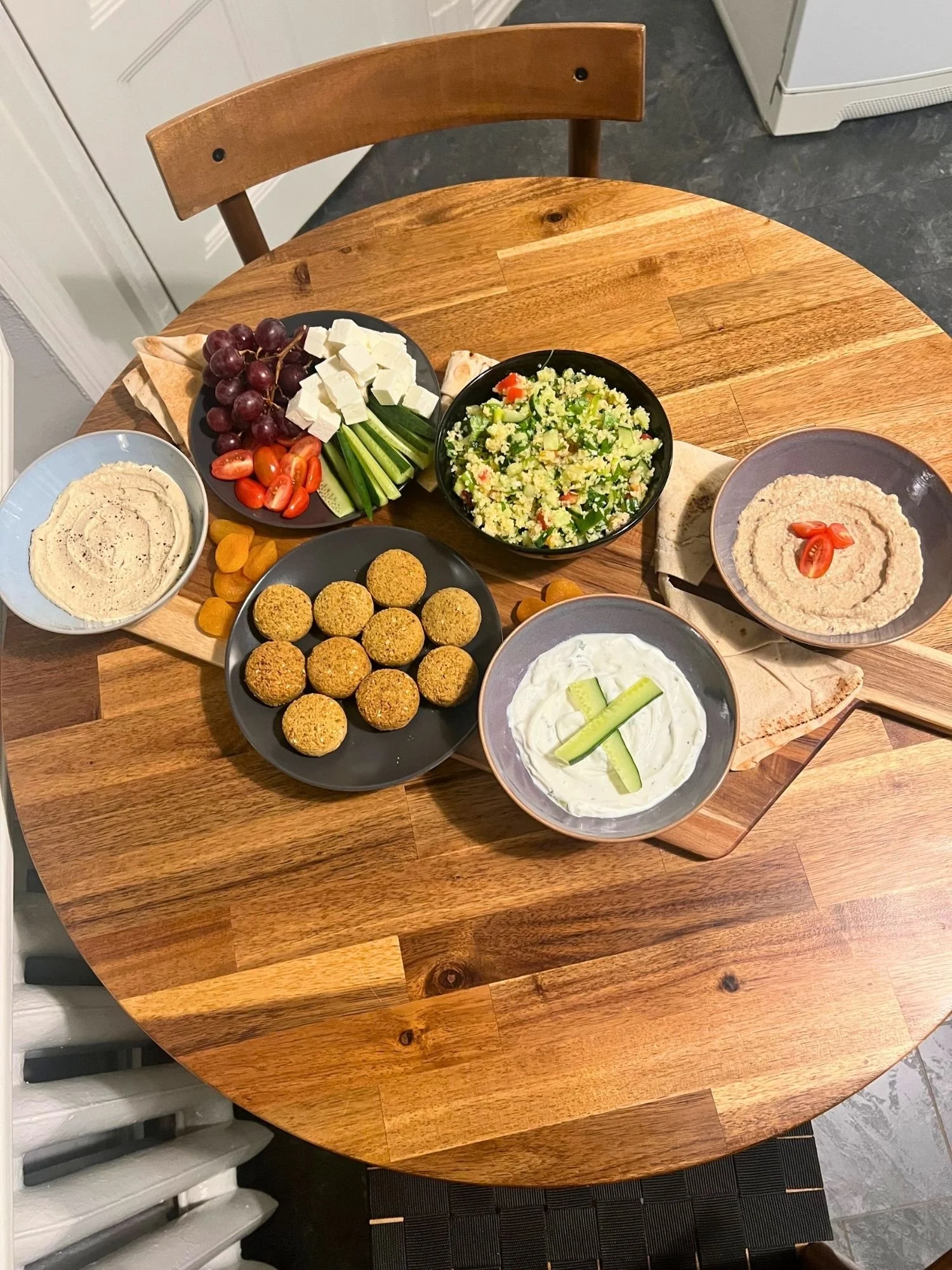
A Mediterranean mezze board is a fantastic choice for a fresh, flavorful meal. It's also one of the easiest ways to create a vegetarian grazing board with lots of variety, since many Mediterranean dishes are vegetarian.
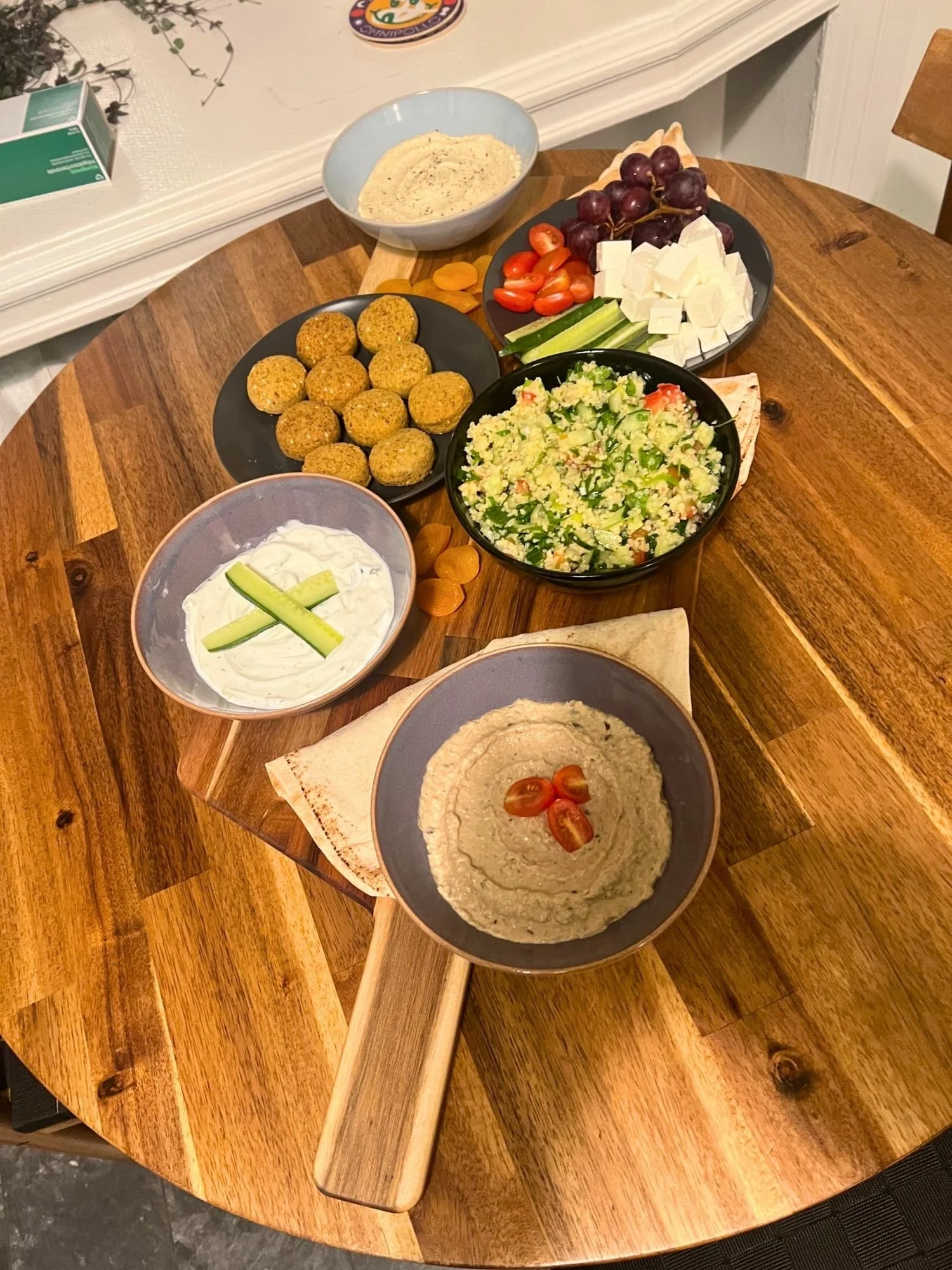
Start with bowls of hummus, tzatziki, baba ghanoush, and tabouli, then add pita bread, feta cheese, and falafel. Cucumber sticks and quartered baby plum tomatoes add crunch and color, while red grapes and dried apricots bring a touch of sweetness.
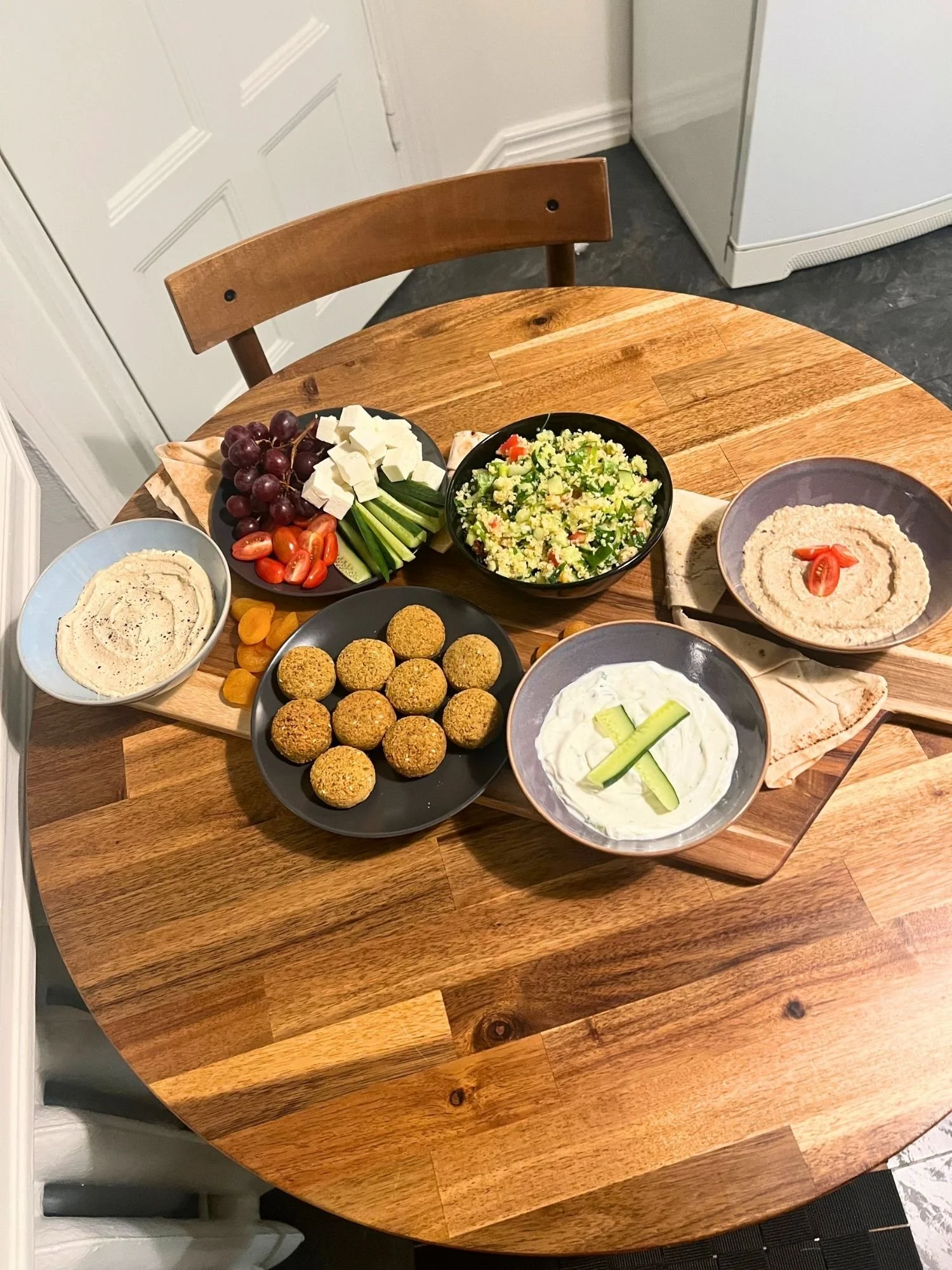
Arrange the dips in small bowls around the board, then fill the spaces between them with the remaining ingredients. Cut the pita into wedges for easy dipping, and place the falafel in a small pile where everyone can reach it easily.
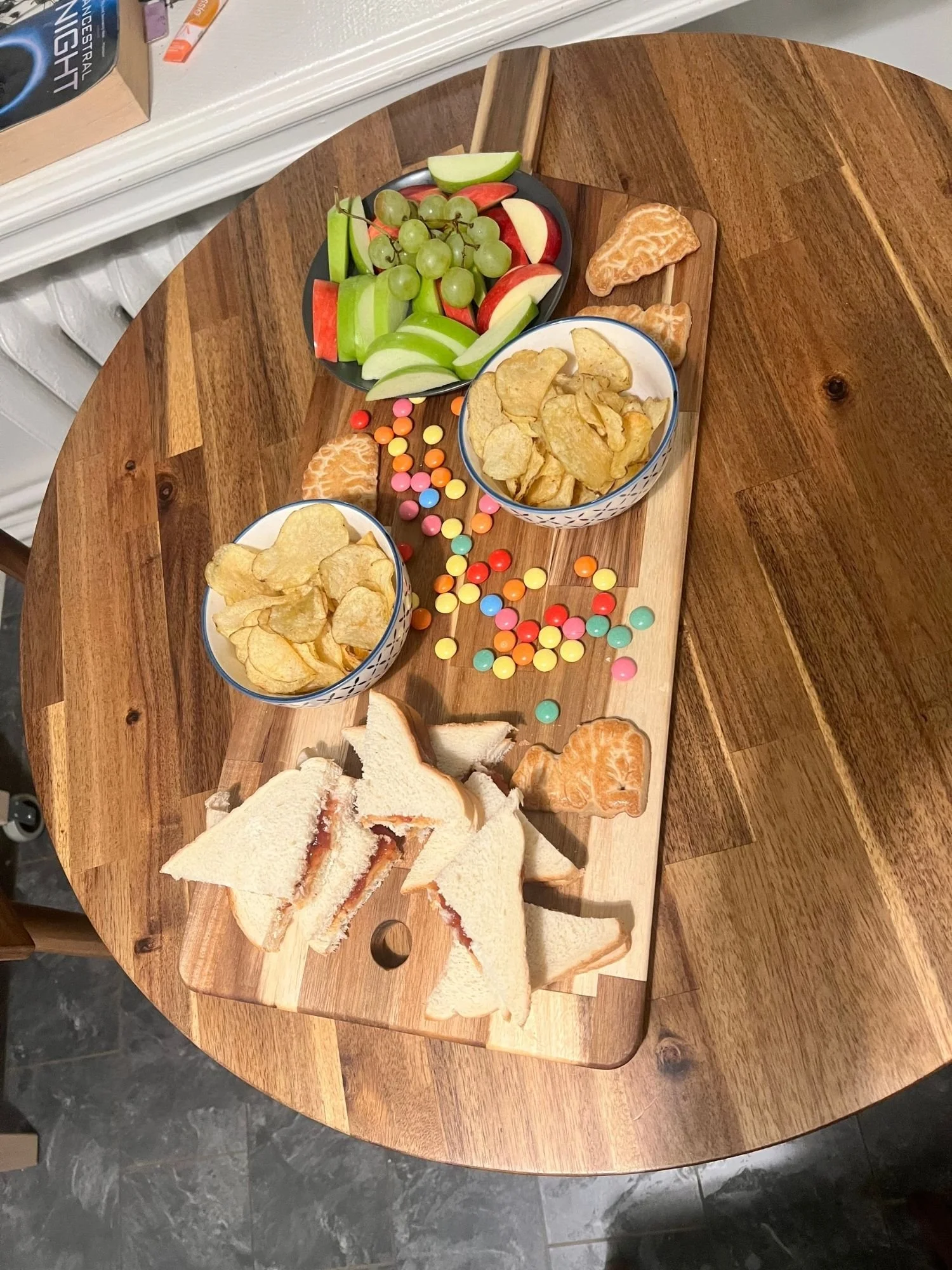
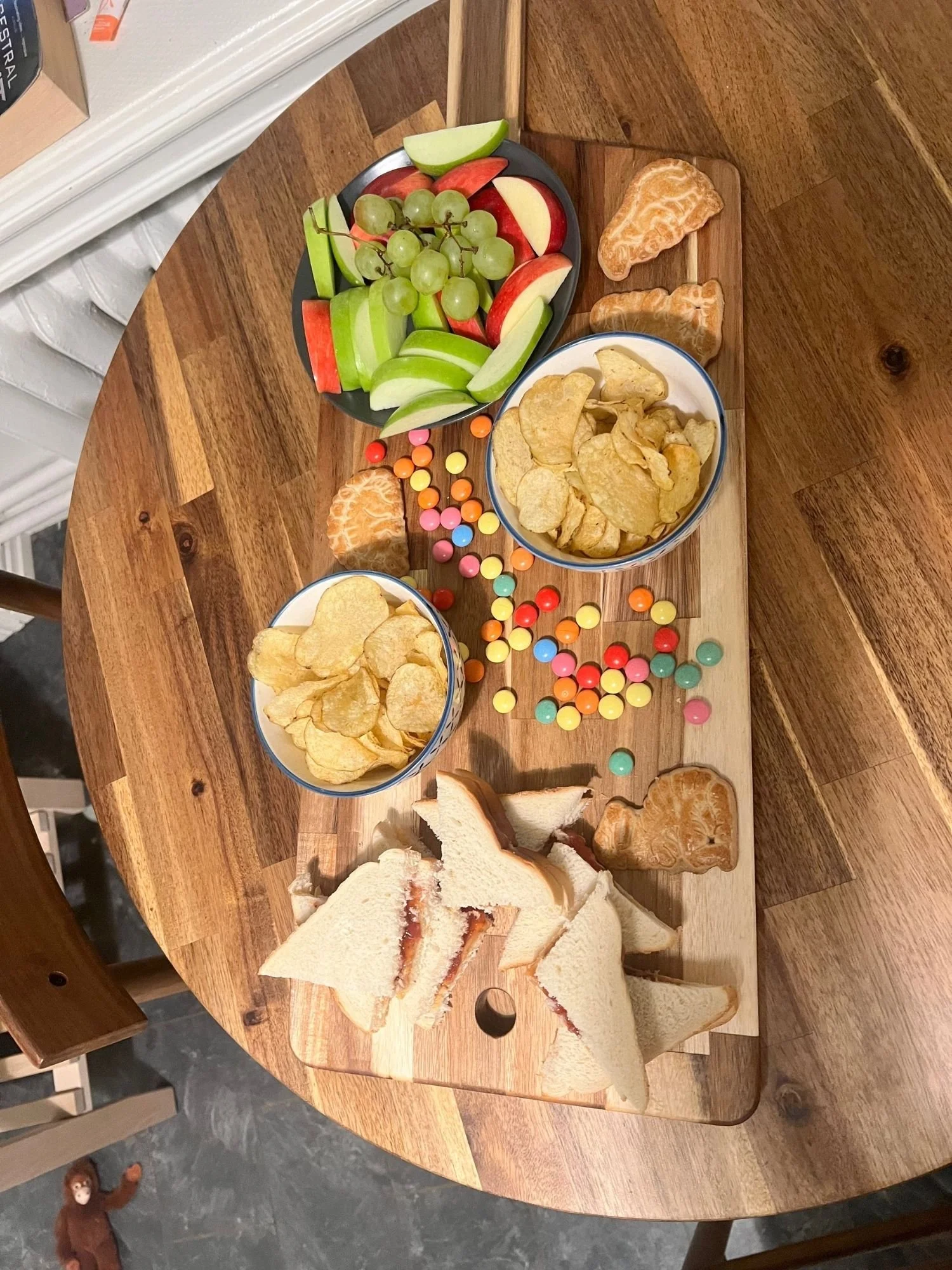
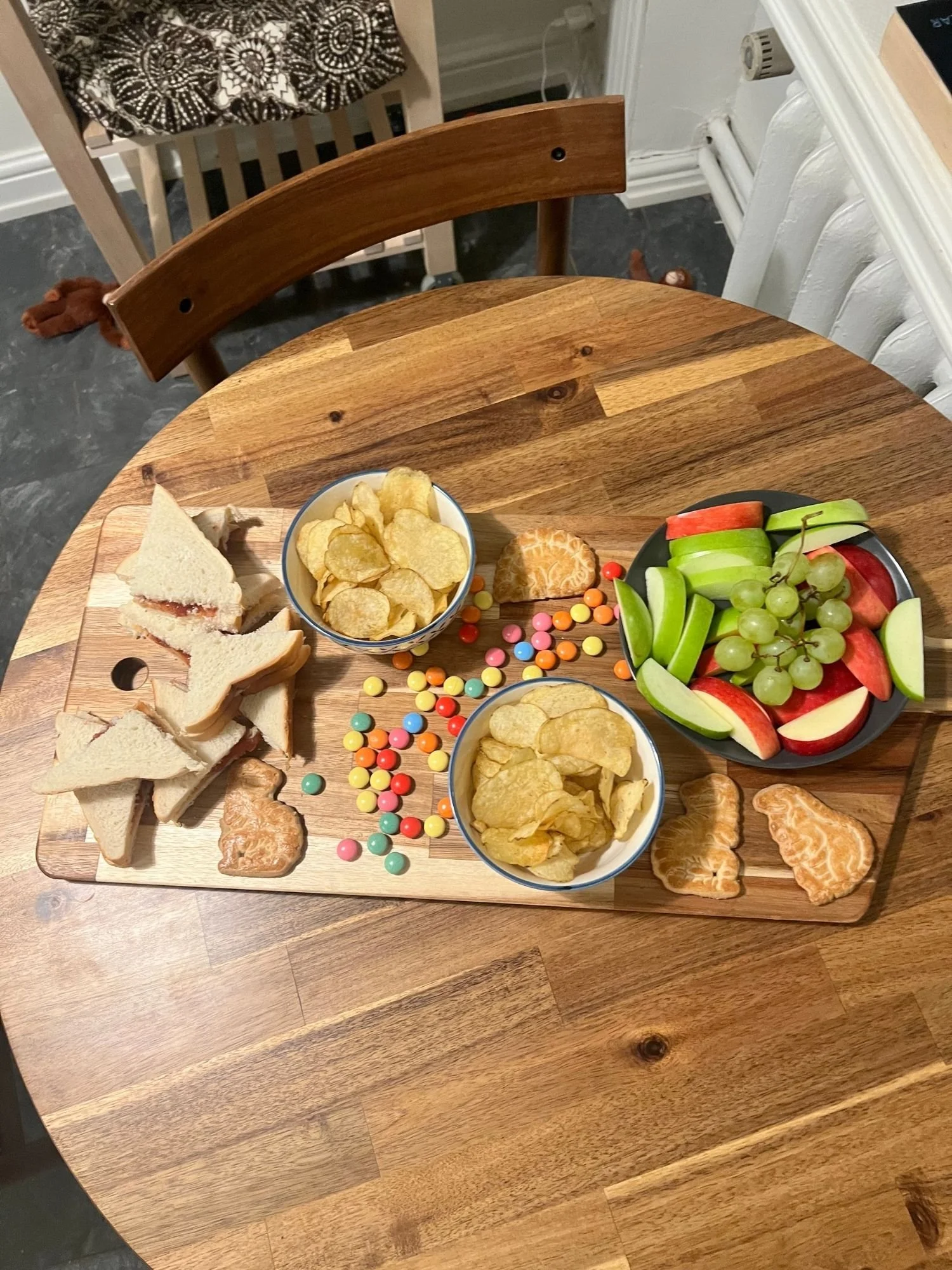
Kids lunch board
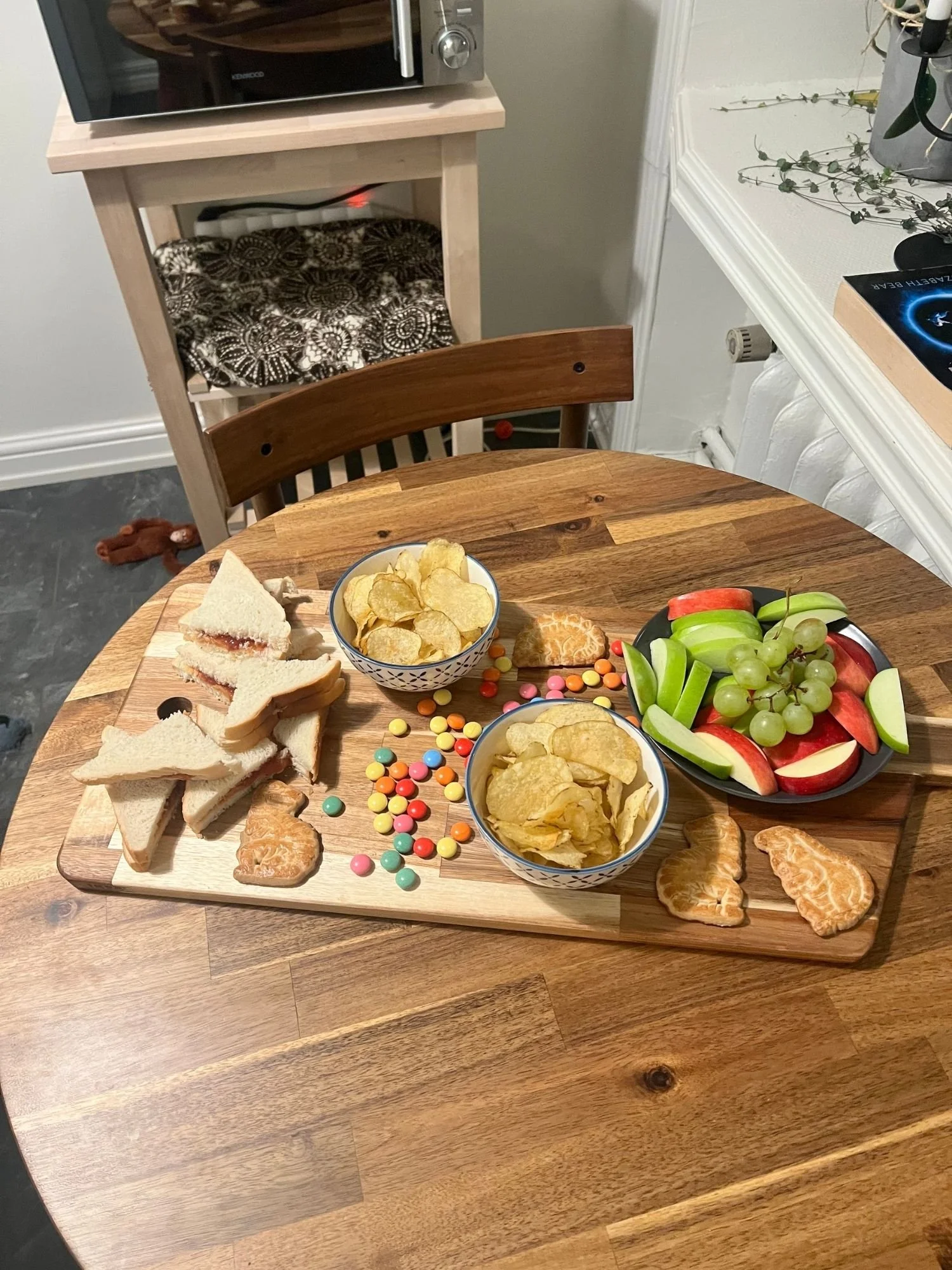
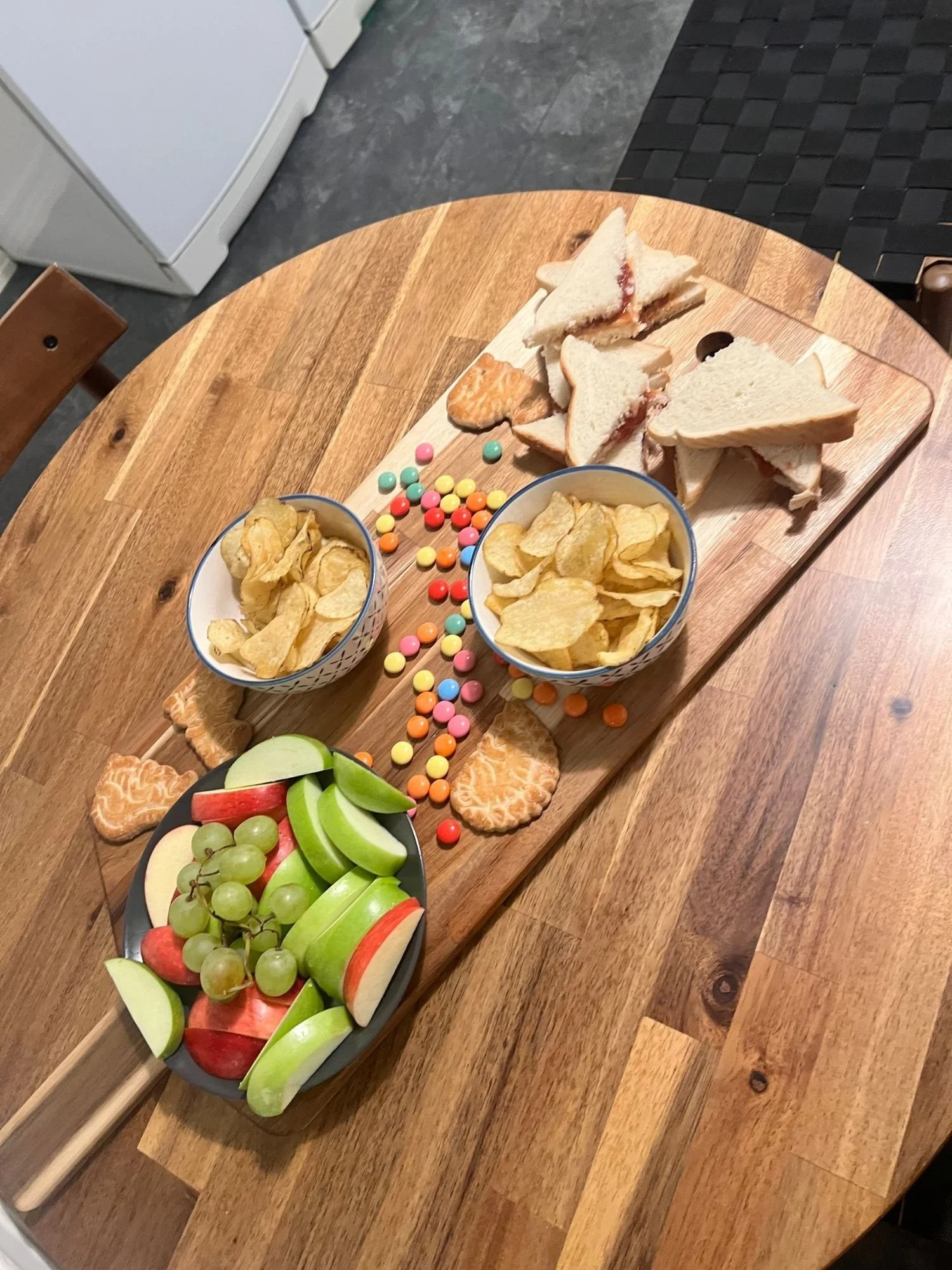
For a playful, nostalgic option, build a grazing board around peanut butter and jelly sandwiches. This is a fun idea for a casual get-together or a family lunch.
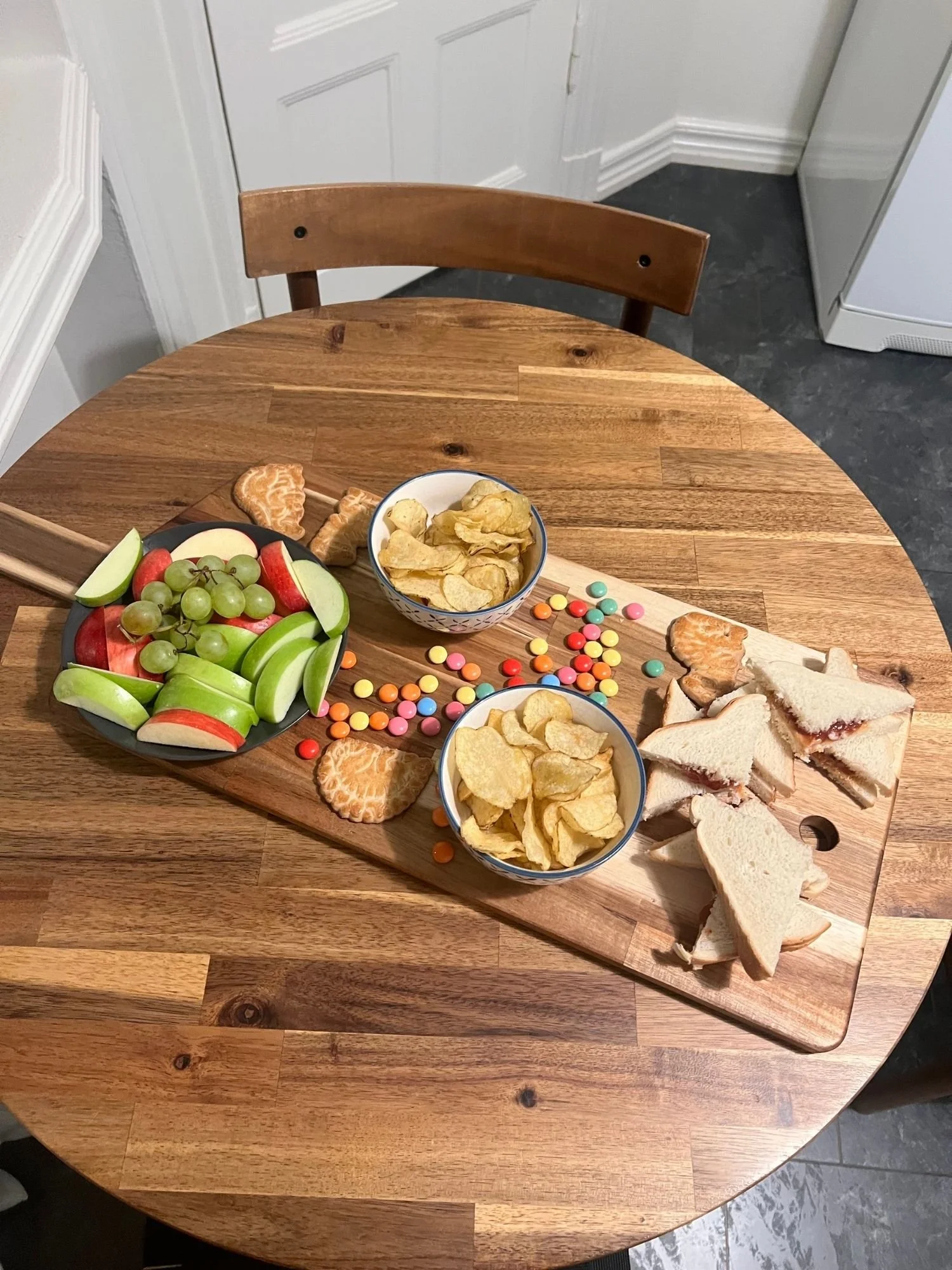
Prepare a batch of peanut butter and jelly sandwiches, then cut them into triangles or squares. Arrange them on a board alongside foods such as potato chips, pretzels, apple slices, grapes, strawberries, candy-coated chocolates, and cookies with fun shapes.
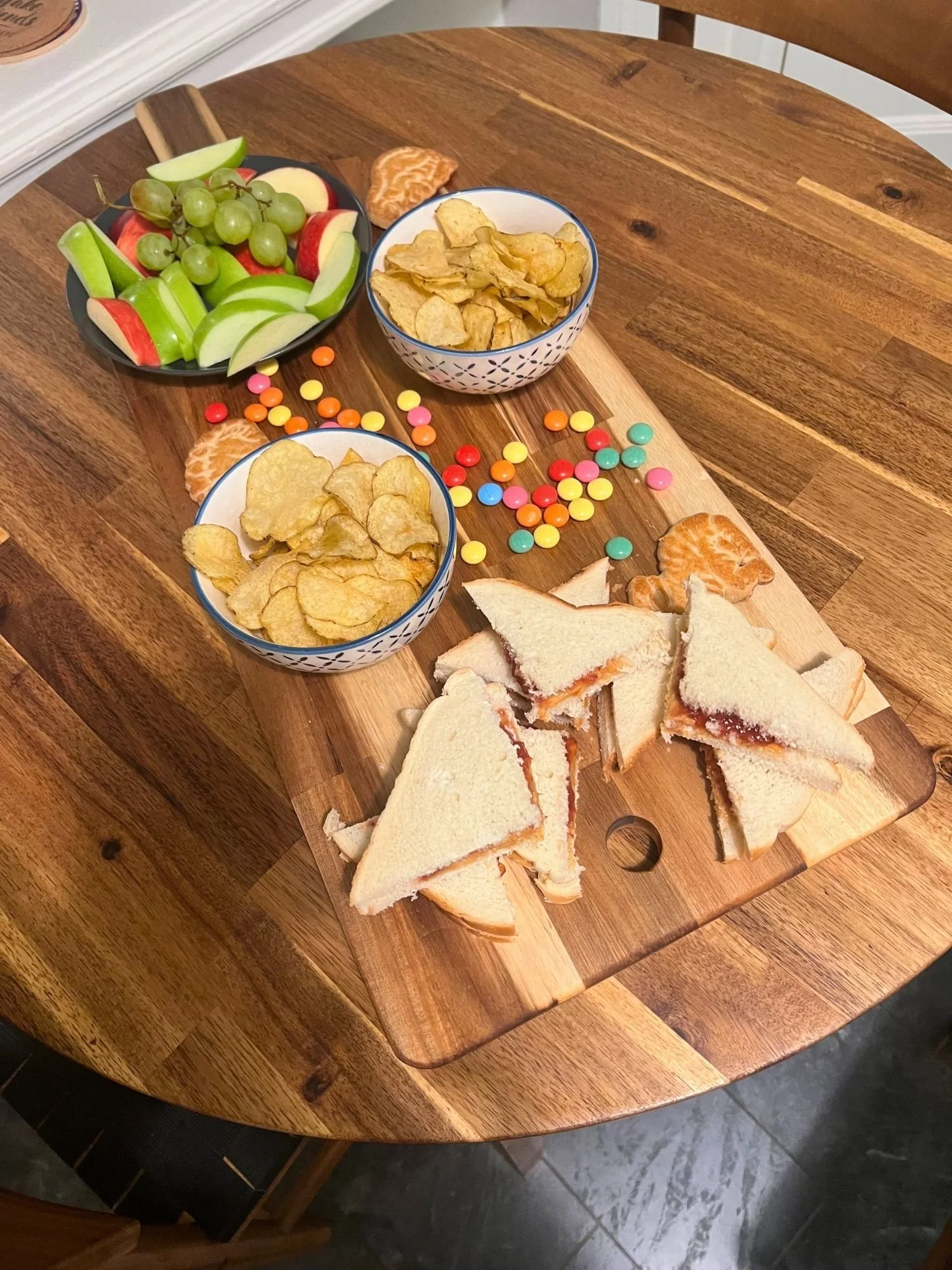
This vegetarian charcuterie board is easy to assemble with only a little preparation required, and you can easily adjust the quantities depending on how many people you're serving.
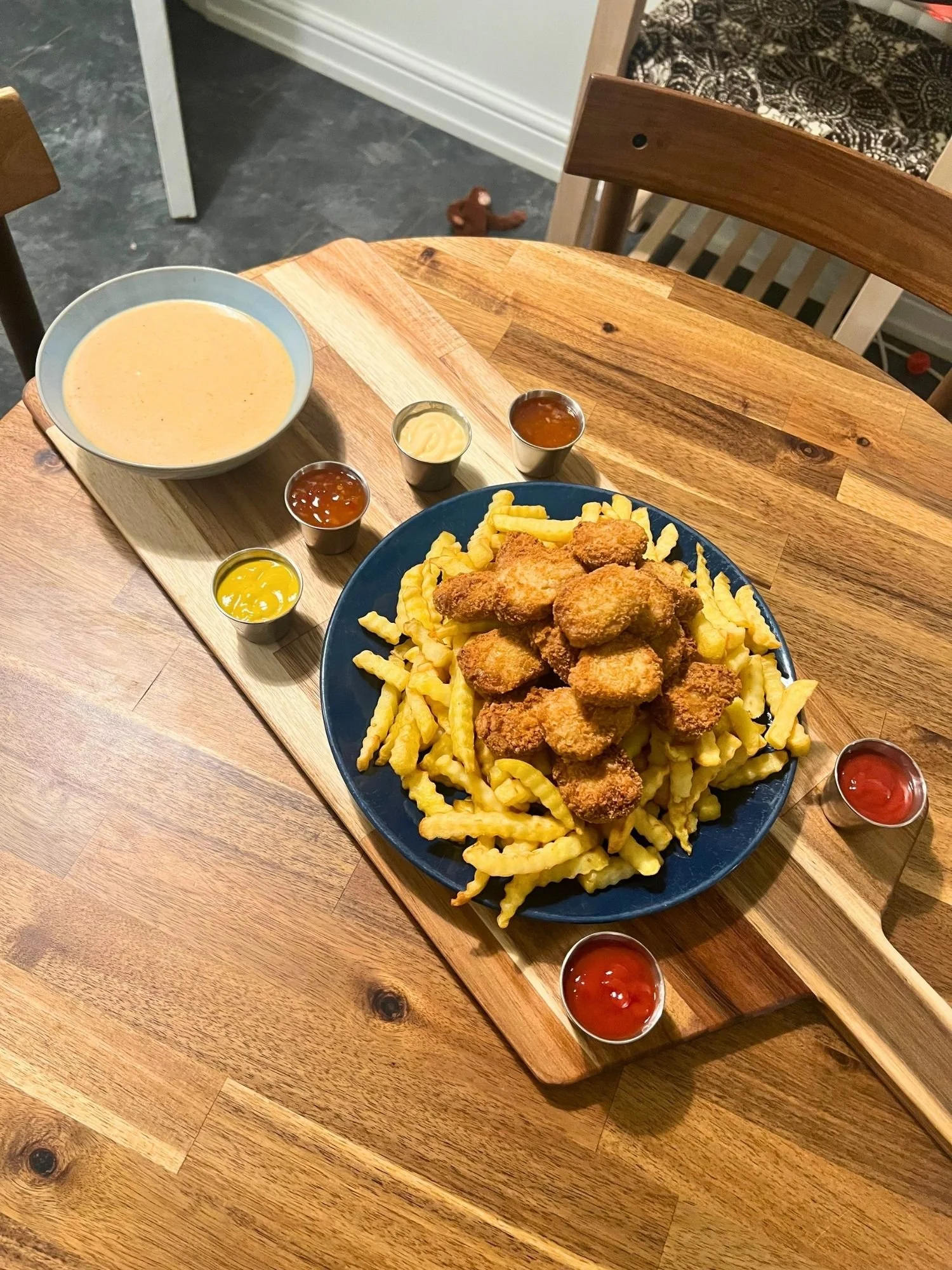
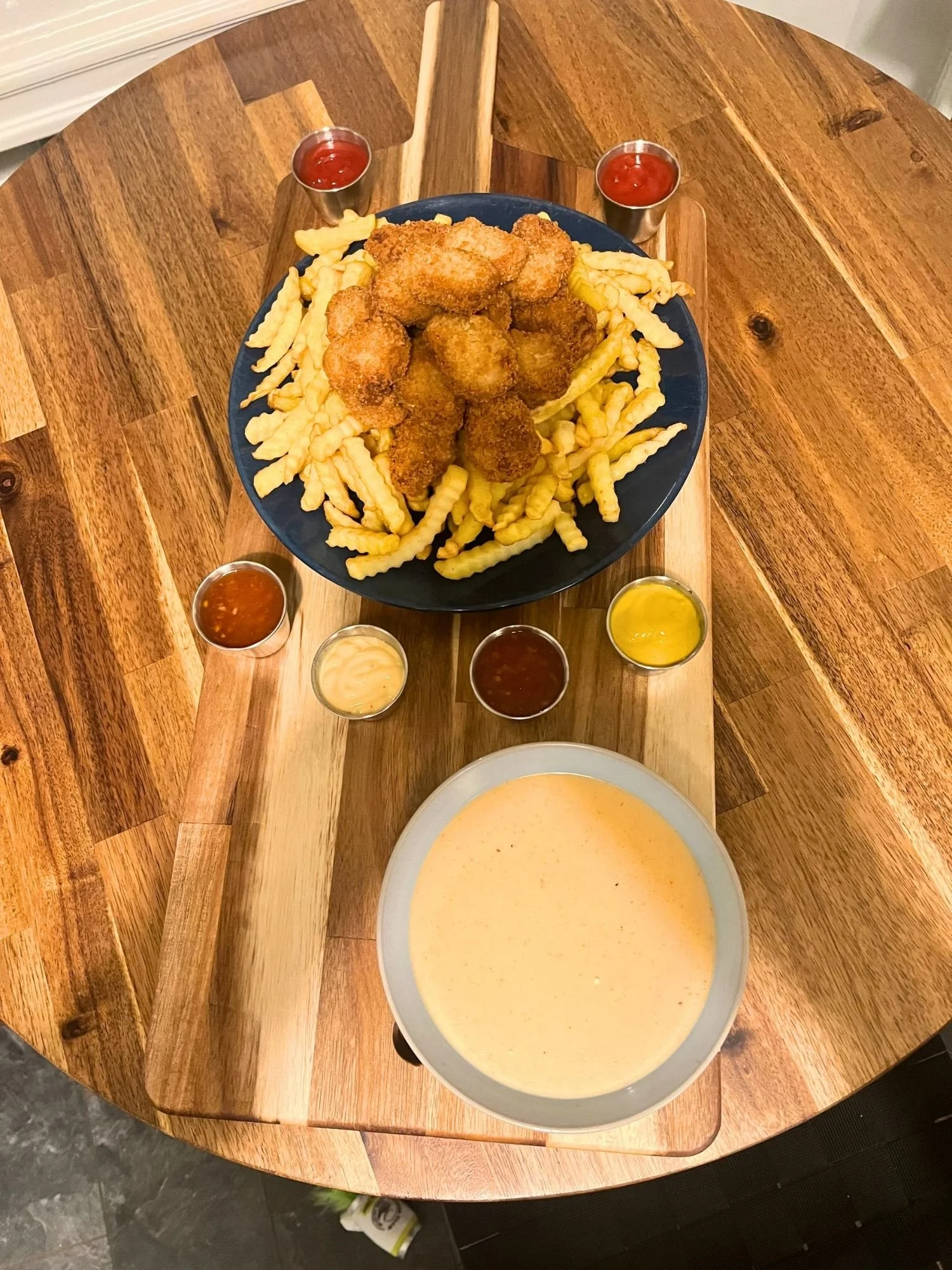
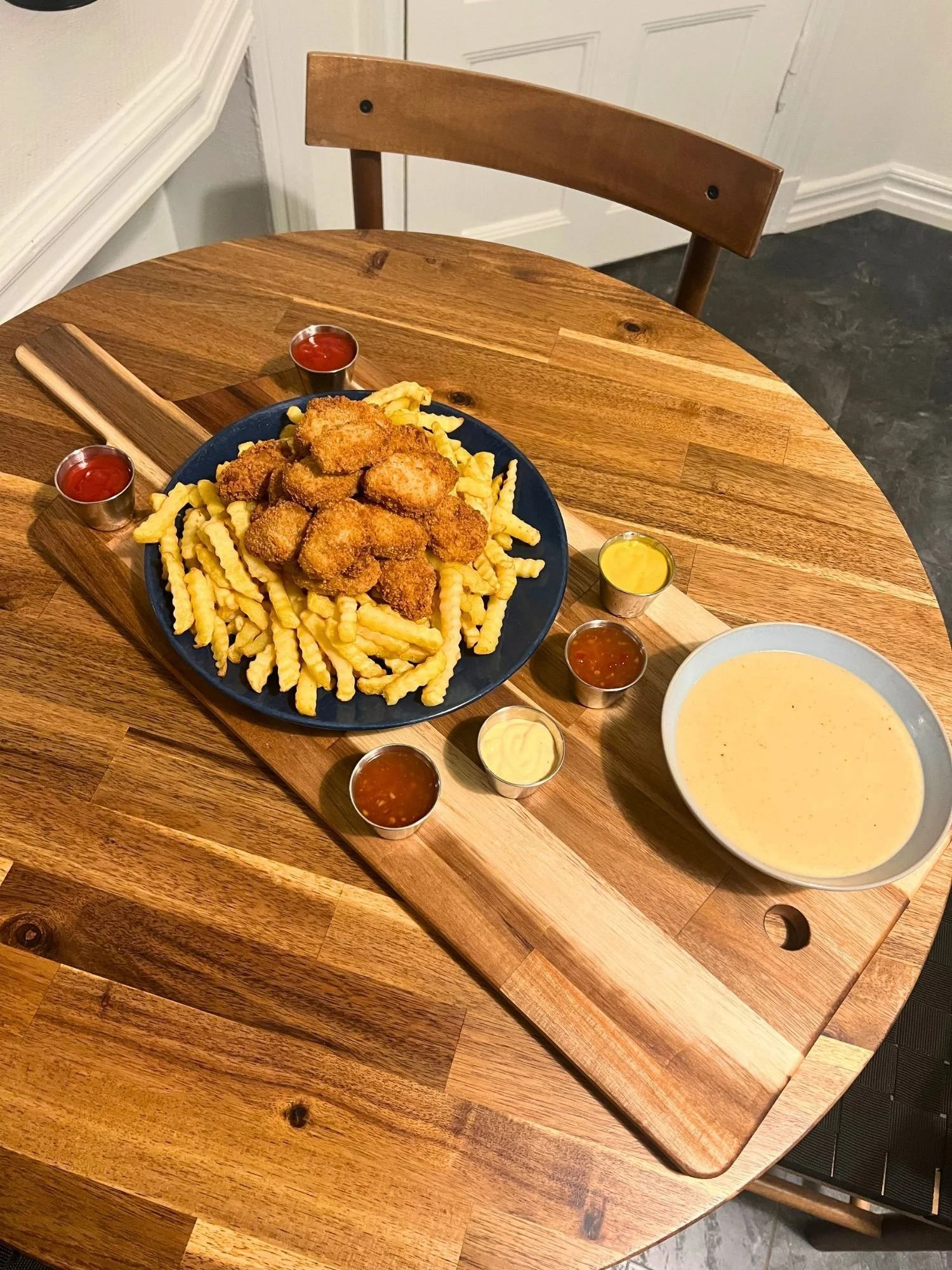
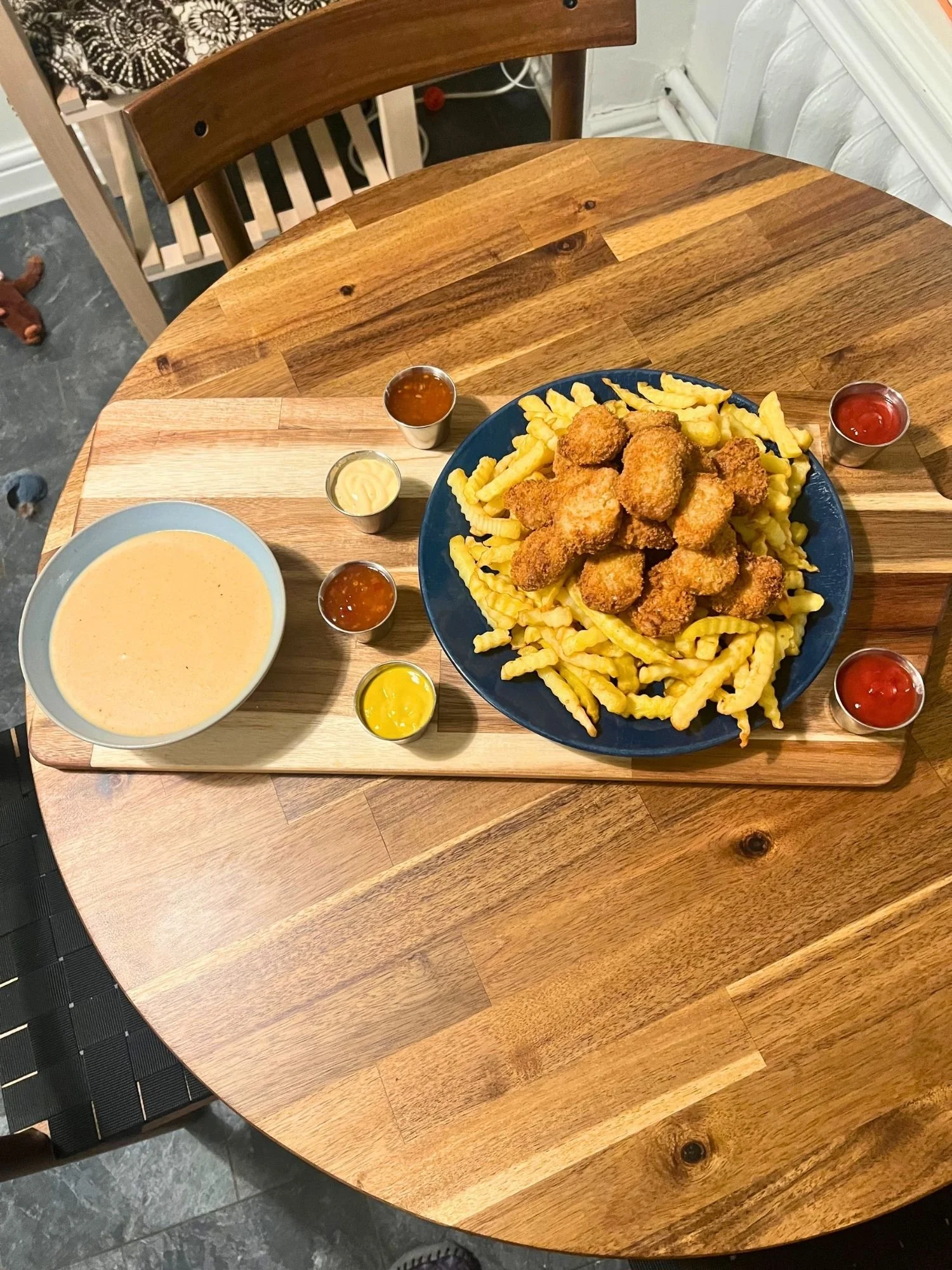
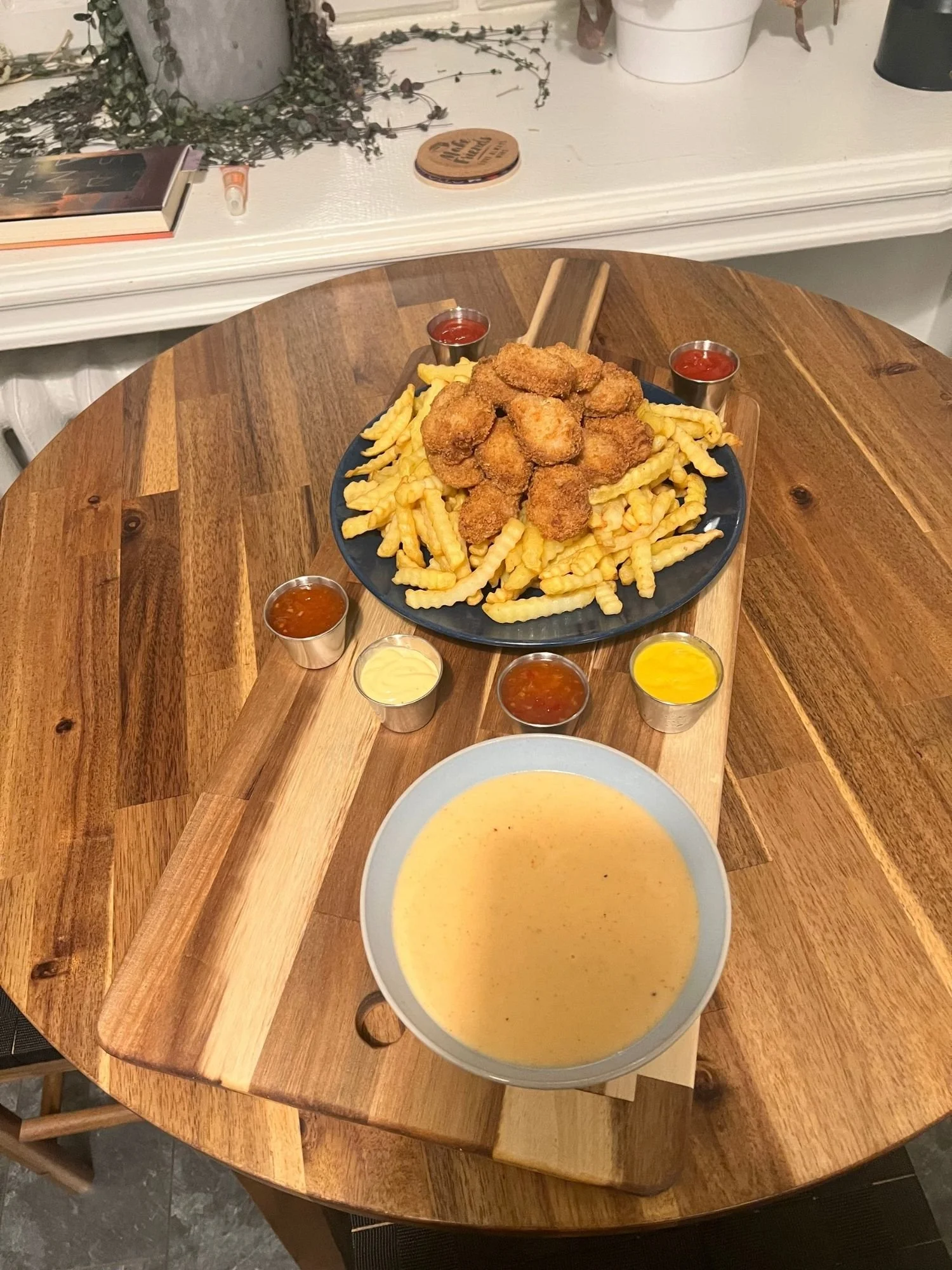
Vegan nuggets and fries board
Sometimes the most appealing option is a platter of crispy comfort food with plenty of dipping sauces. For this board, prepare your favorite vegan nuggets and a generous portion of fries. Arrange them on a large platter or tray, then add small bowls of cheese dip, ketchup, barbecue sauce, vegan mayonnaise, sweet chili sauce, or any other dips you enjoy.
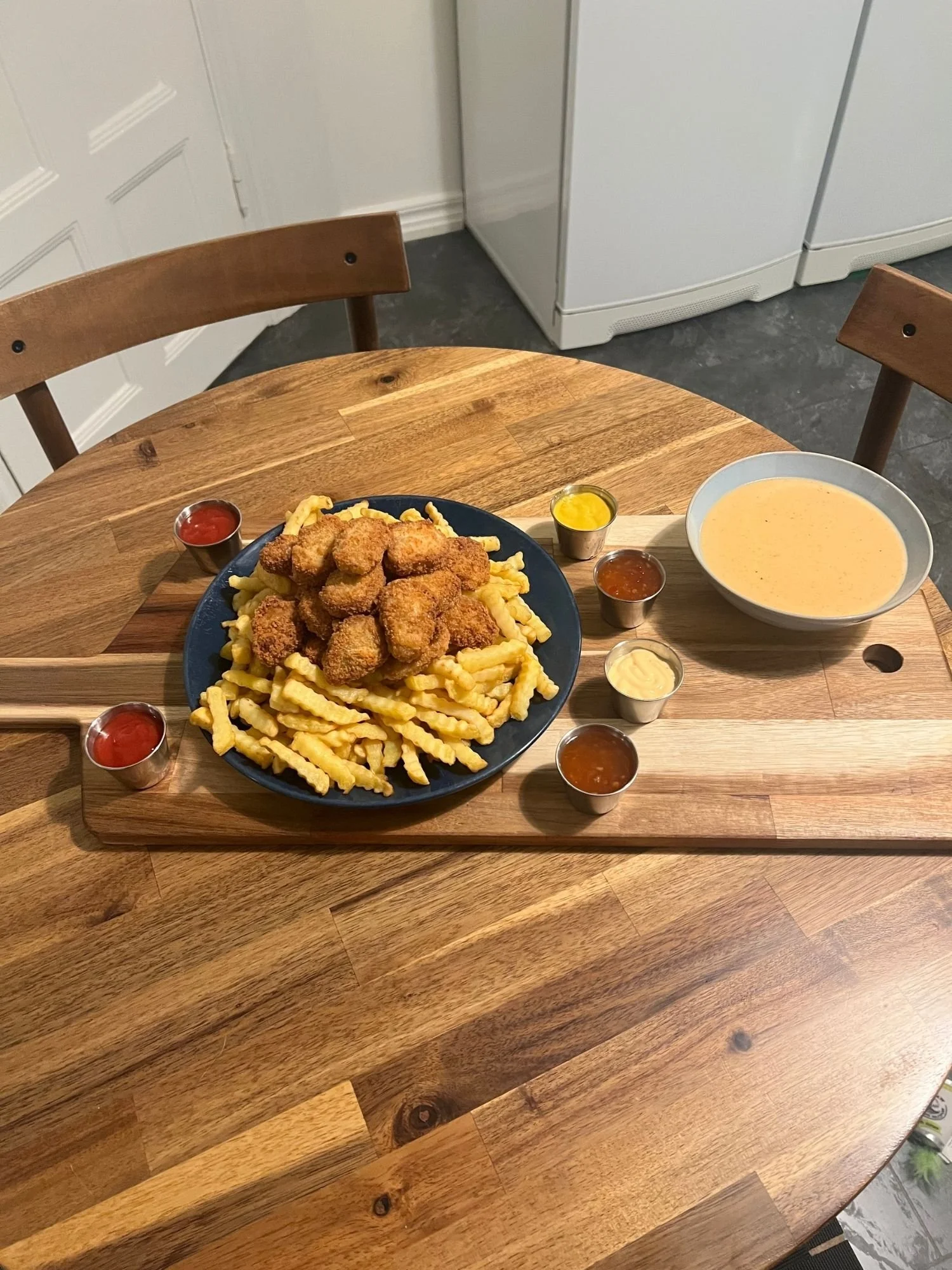
For a freshness and color, you could also include cucumber sticks, carrot sticks, or cherry tomatoes. Another idea is to add more crispy fried snacks such as onion rings and mozzarella sticks.
This board is especially well suited to movie nights, game nights, and informal parties. Serve everything while the fries and nuggets are still hot and crispy, and keep the sauces in separate bowls to make dipping easy.
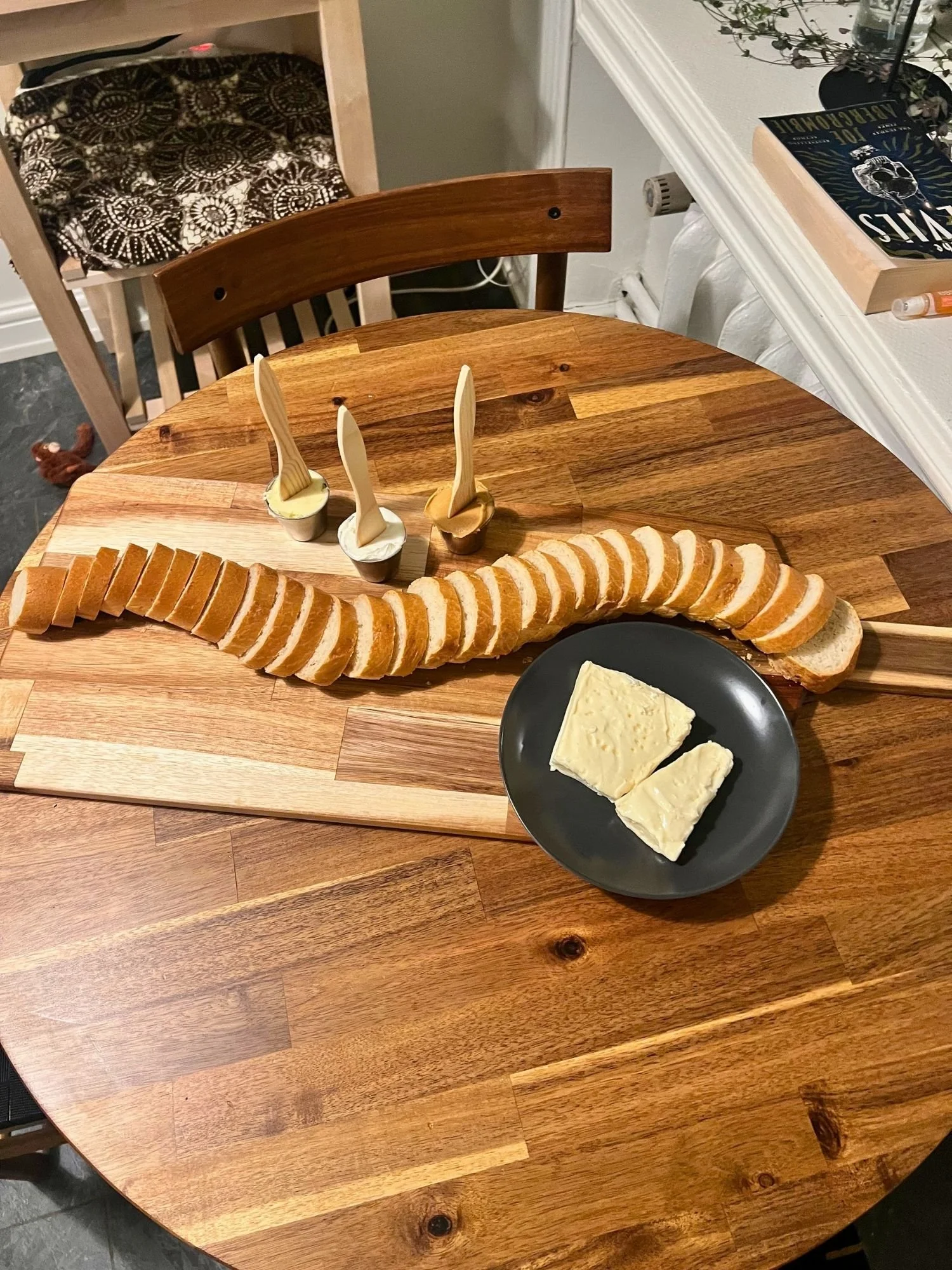
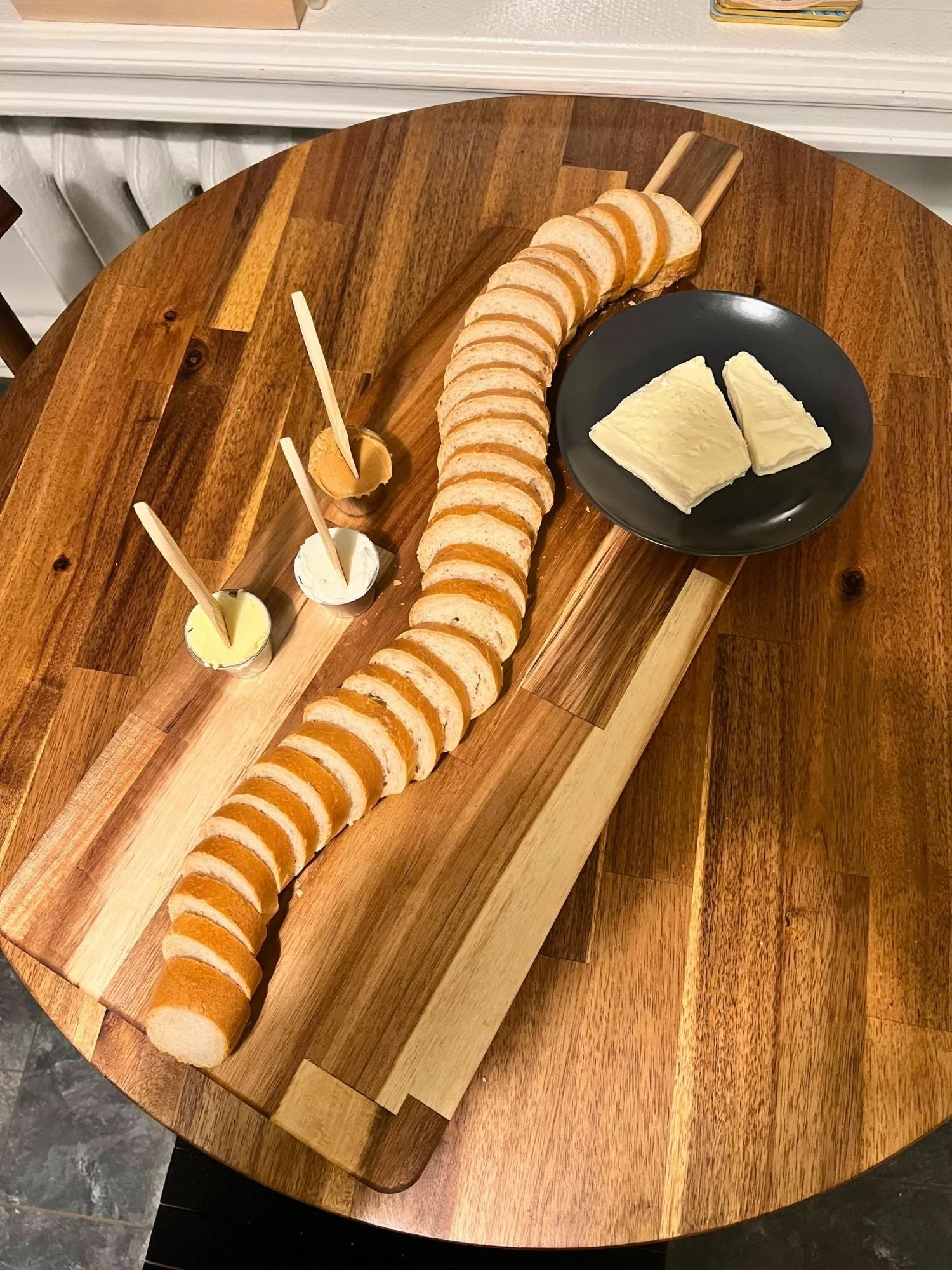
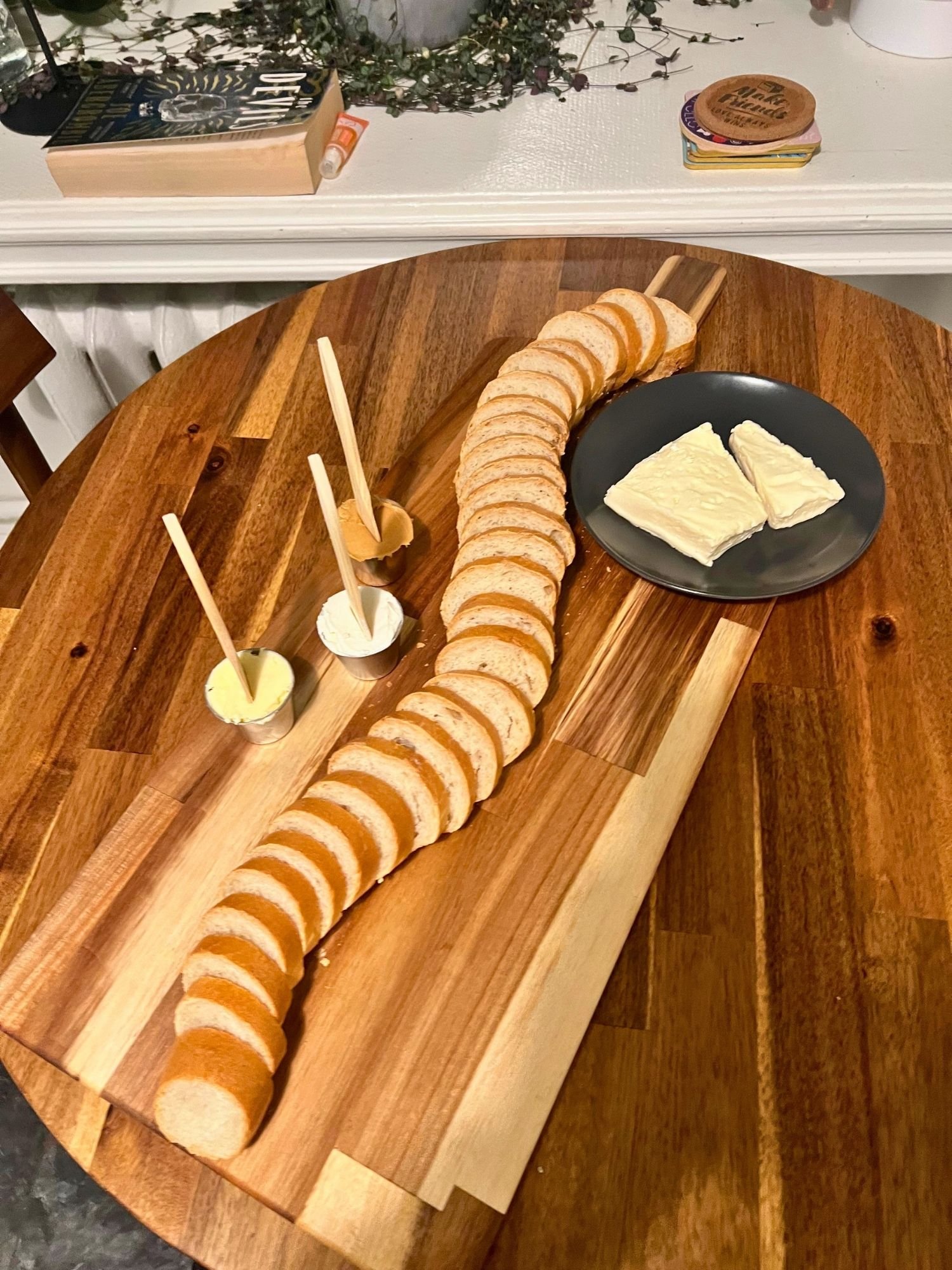
Baguette board
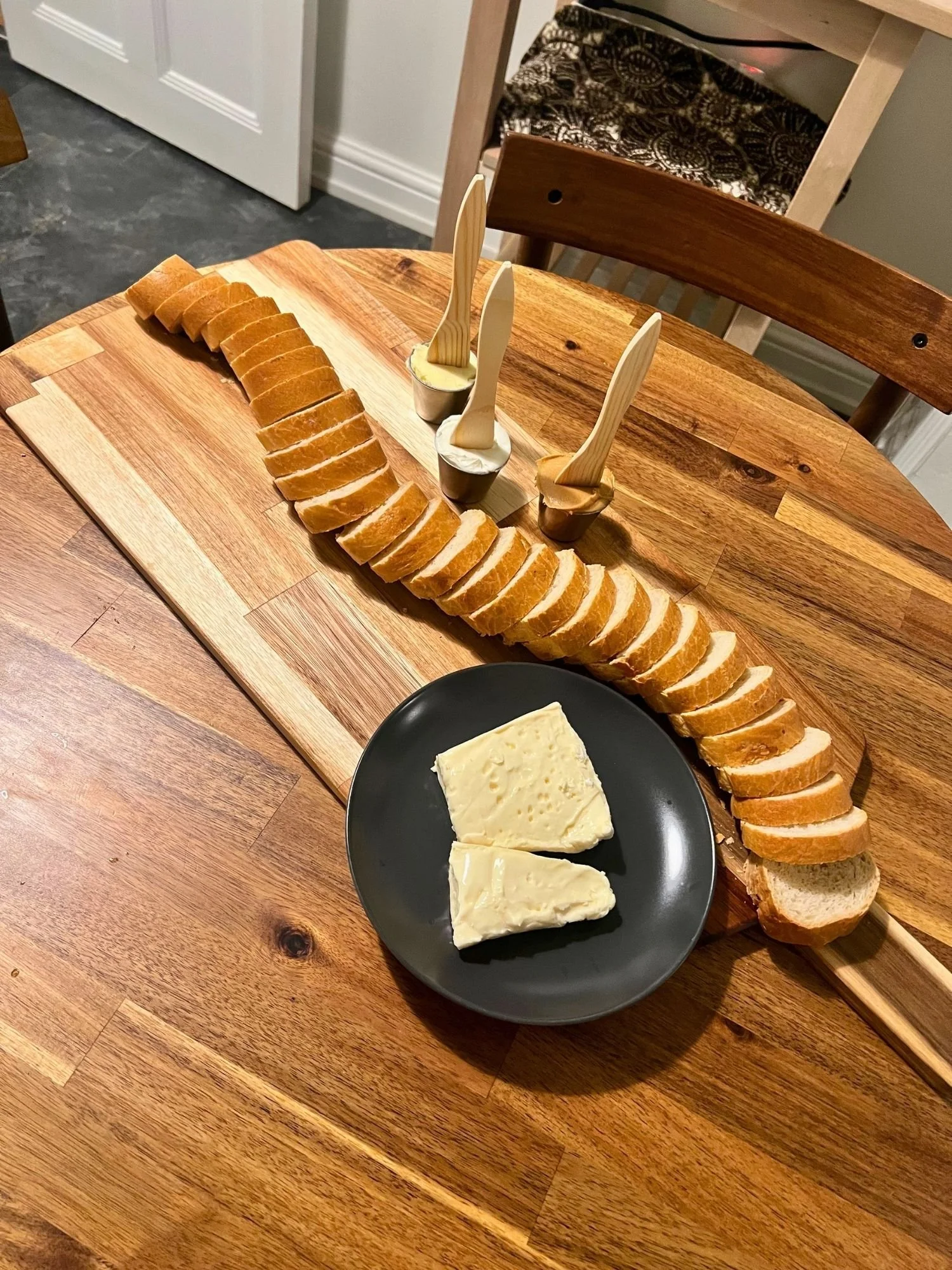
A baguette board is an excellent alternative to a traditional cheese platter that swaps crackers for crusty bread.
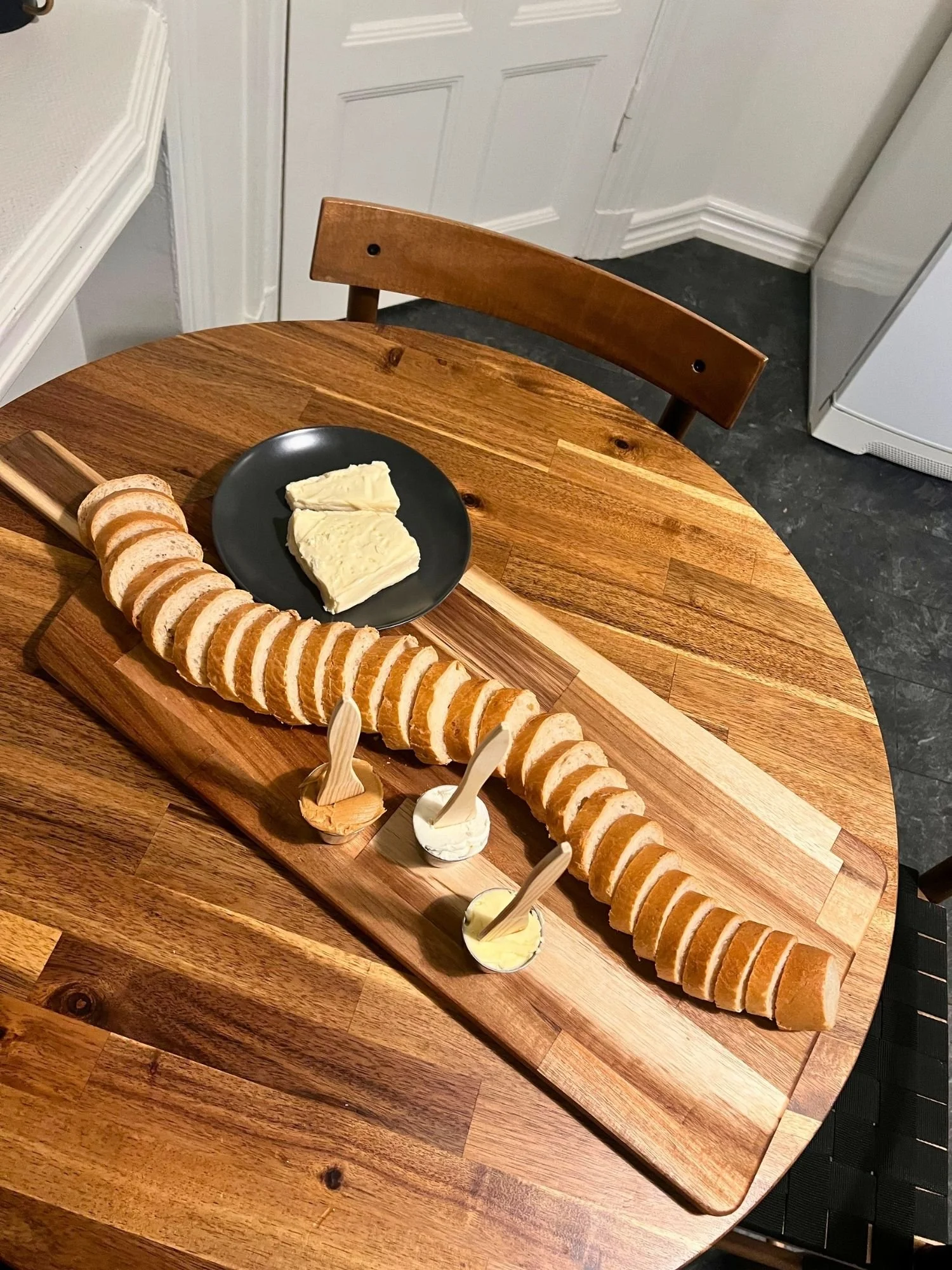
Slice a fresh baguette into bite-sized pieces and arrange them alongside a selection of cheeses and spreads. Soft cheese, peanut butter, cream cheese, butter, olive tapenade, and hummus are all good options. You can add grapes, olives, sliced tomatoes, and fresh basil to bring extra flavor and color to the board.
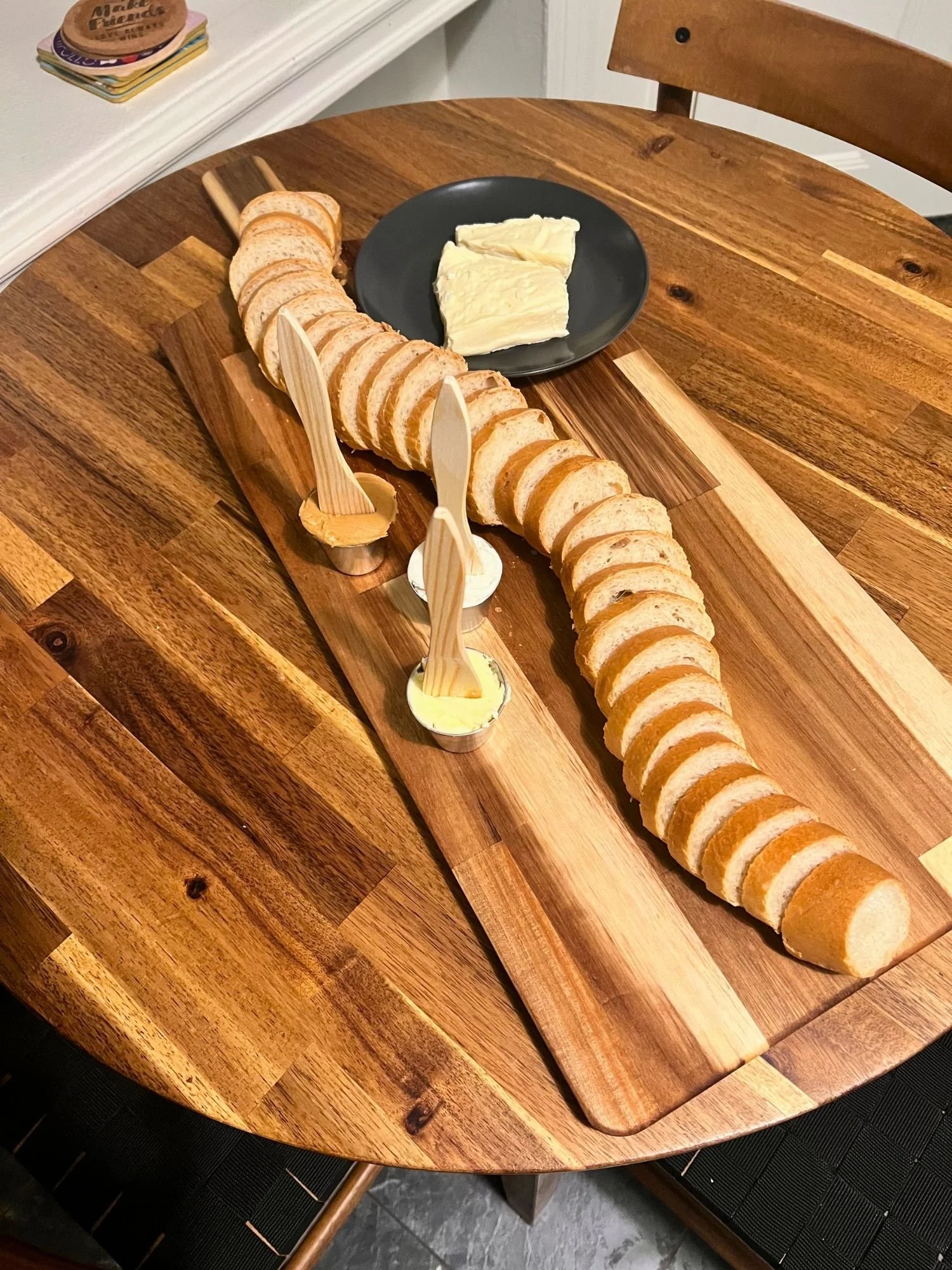
This board works well as a light lunch, a starter before dinner, or part of a larger party spread. It's also easy to scale up or down depending on the number of people you're serving.
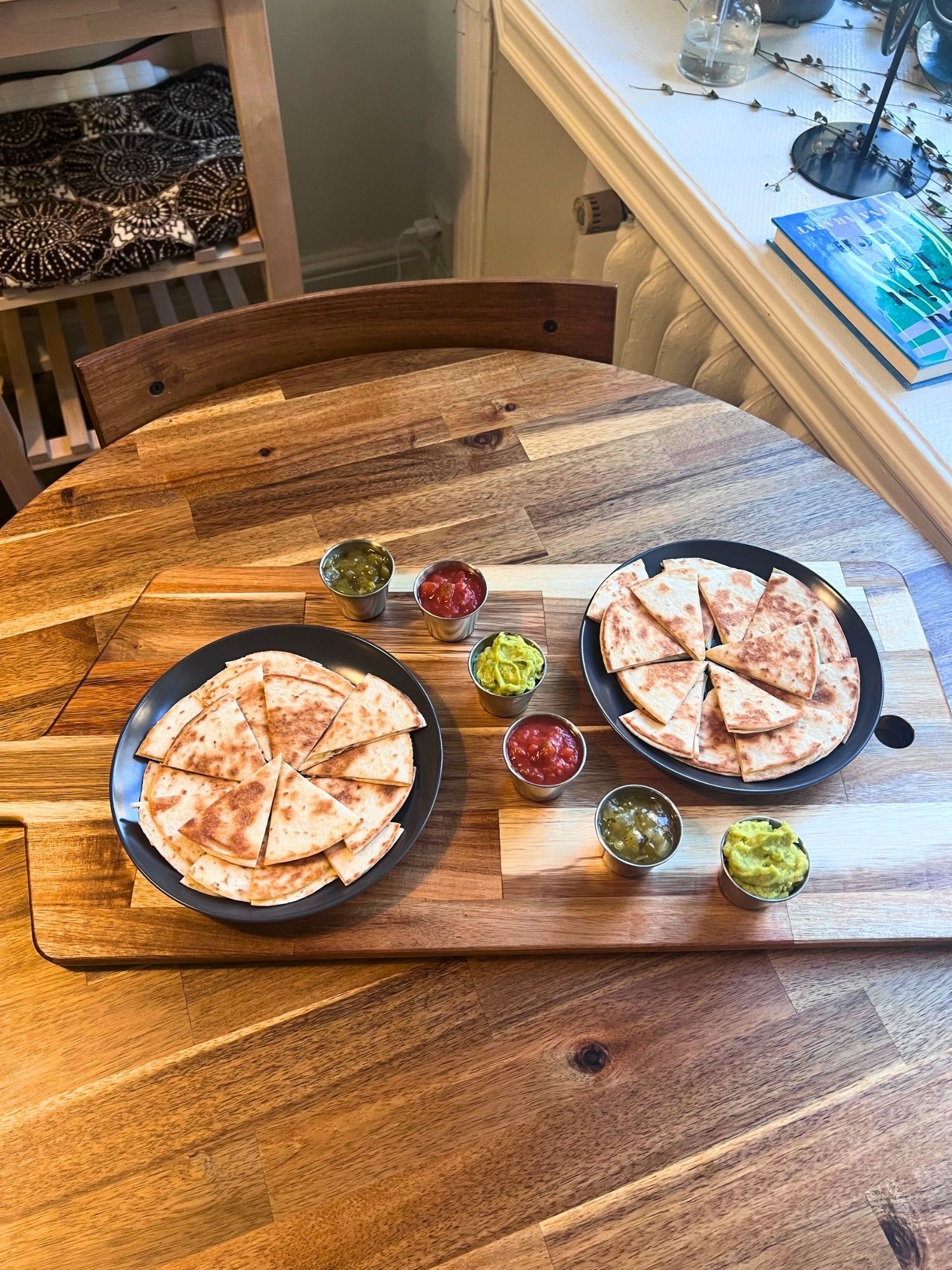
Quesadilla board
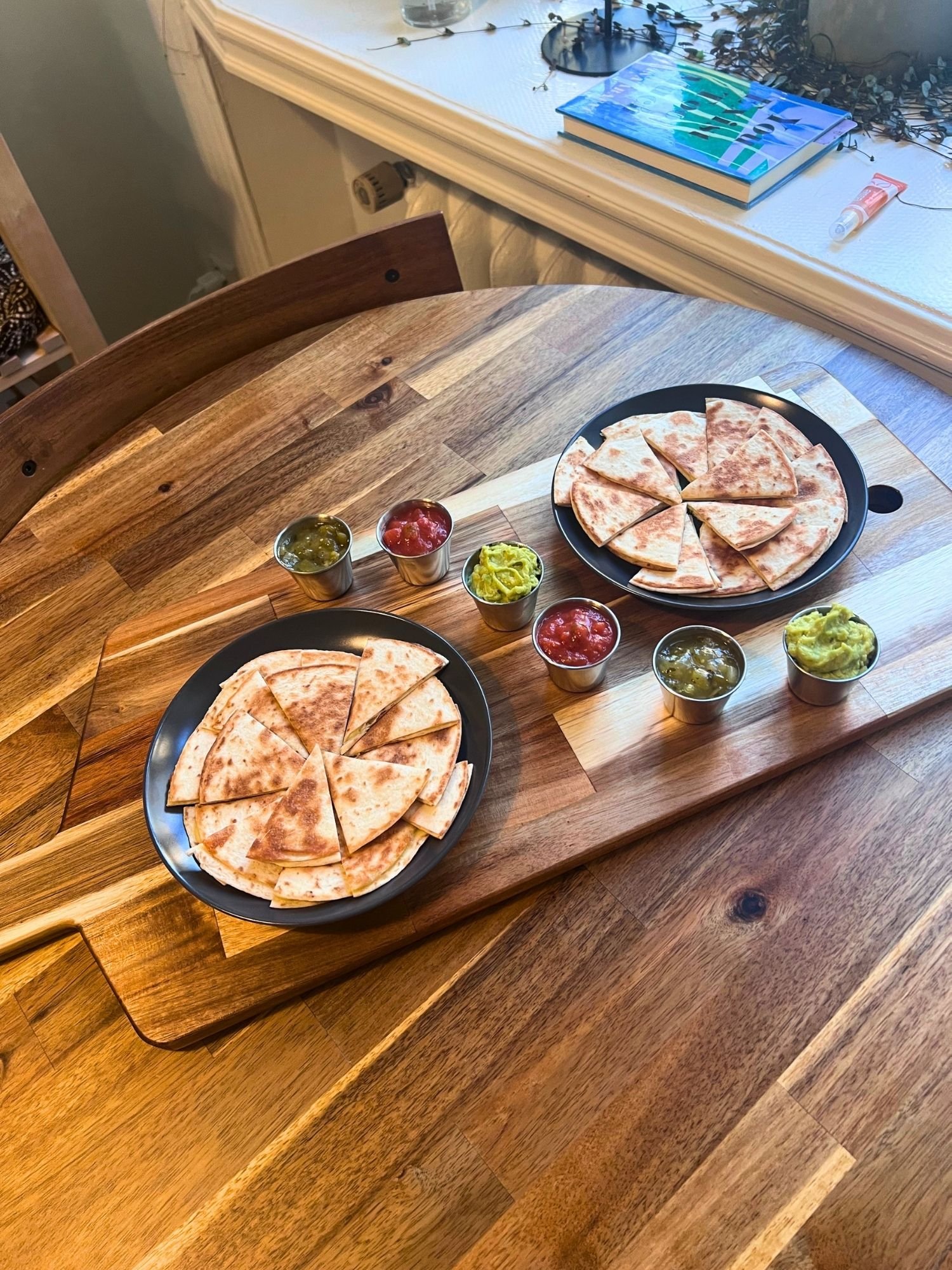
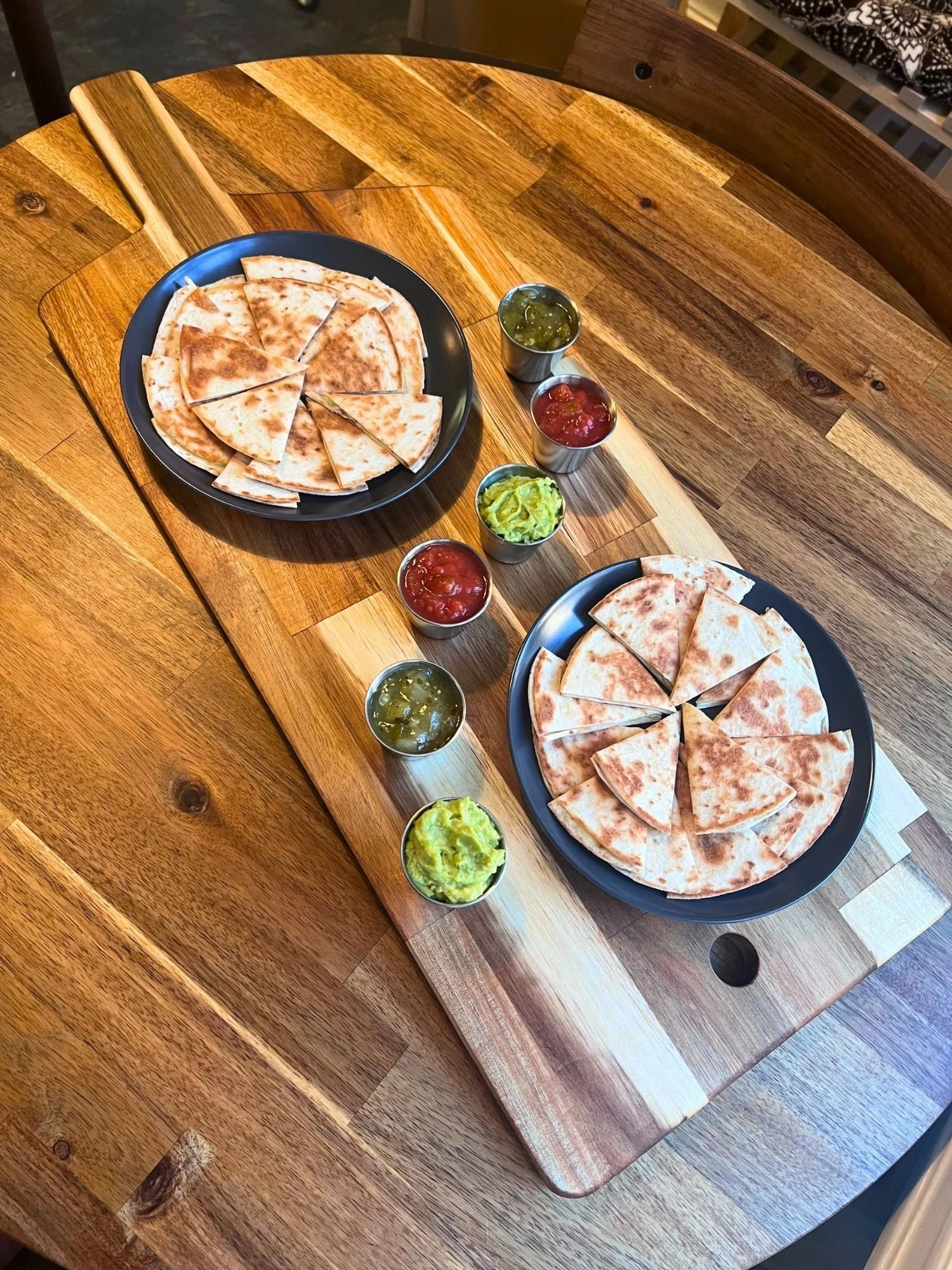
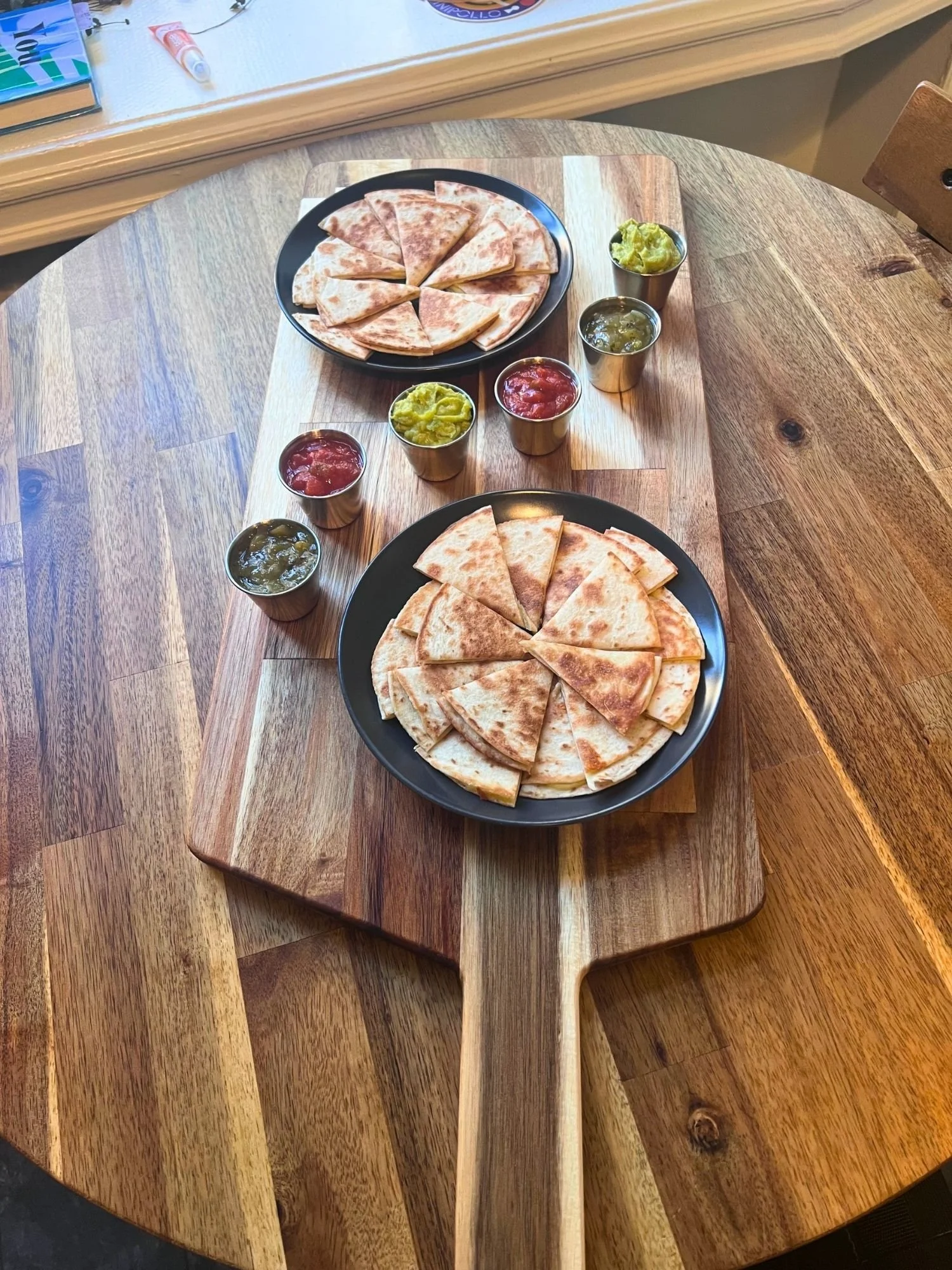
Quesadillas are easy to prepare in advance and cut into shareable portions. Fill tortillas with cheese and cook them until the tortillas are golden and the cheese has melted, then cut each quesadilla into wedges.
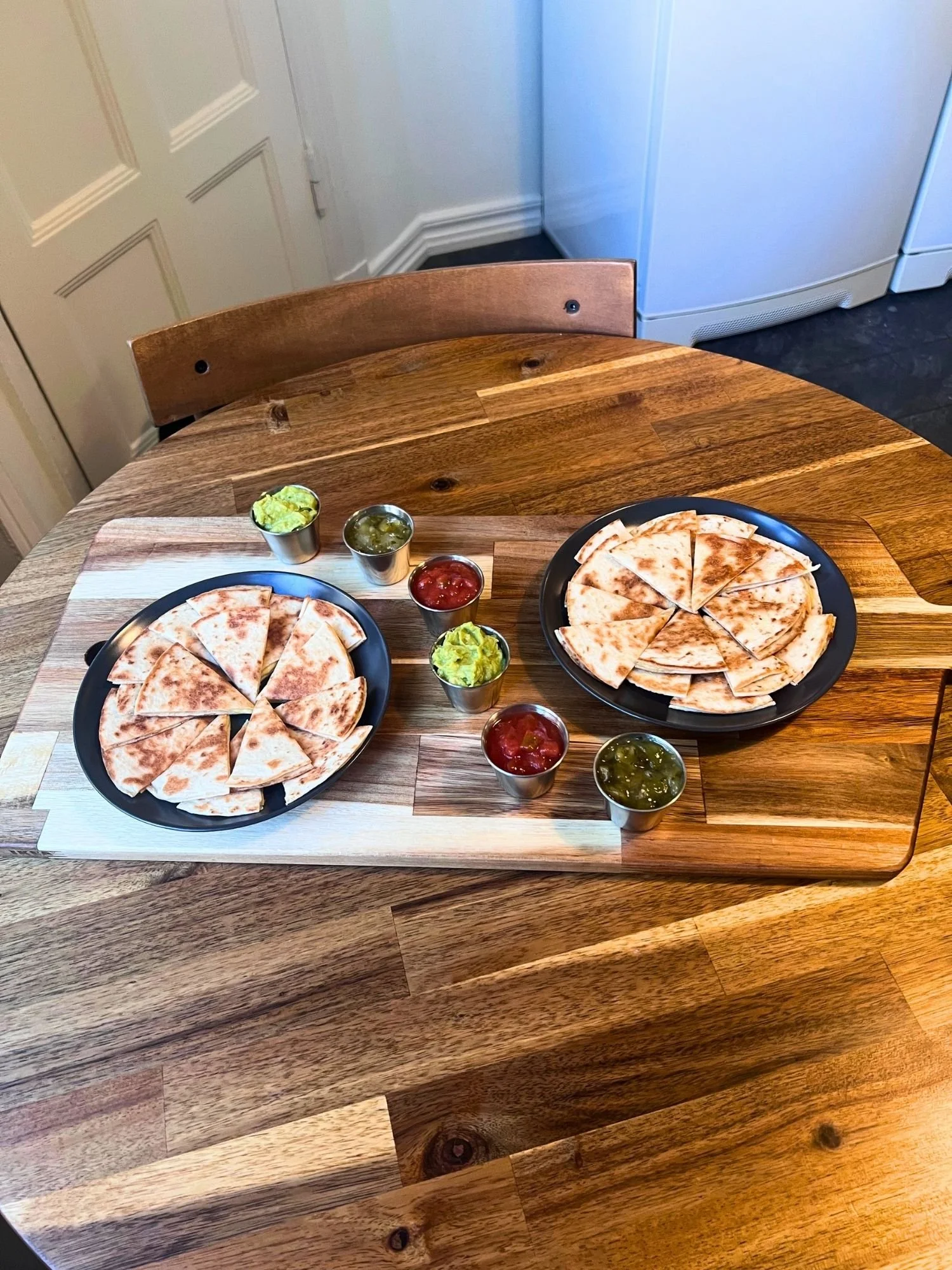
Arrange the wedges on a board with small bowls of salsa and guacamole. You could also add sour cream, tortilla chips, sliced avocado, cherry tomatoes, or jalapeños for extra variety.
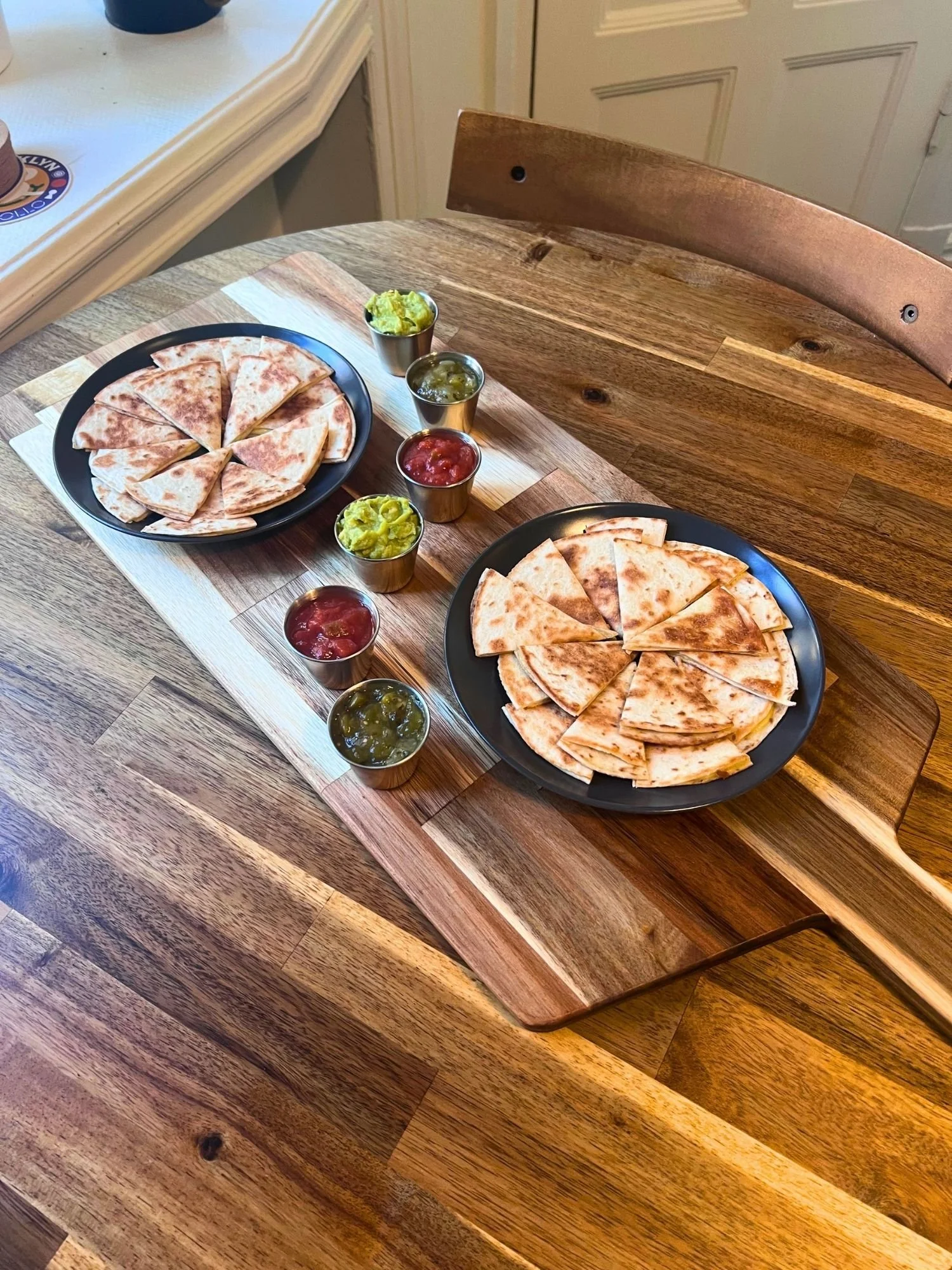
For a vegan version, you can use plant-based cheese in the quesadillas. Whichever ingredients you choose, serve the quesadillas warm for the best texture and flavor.
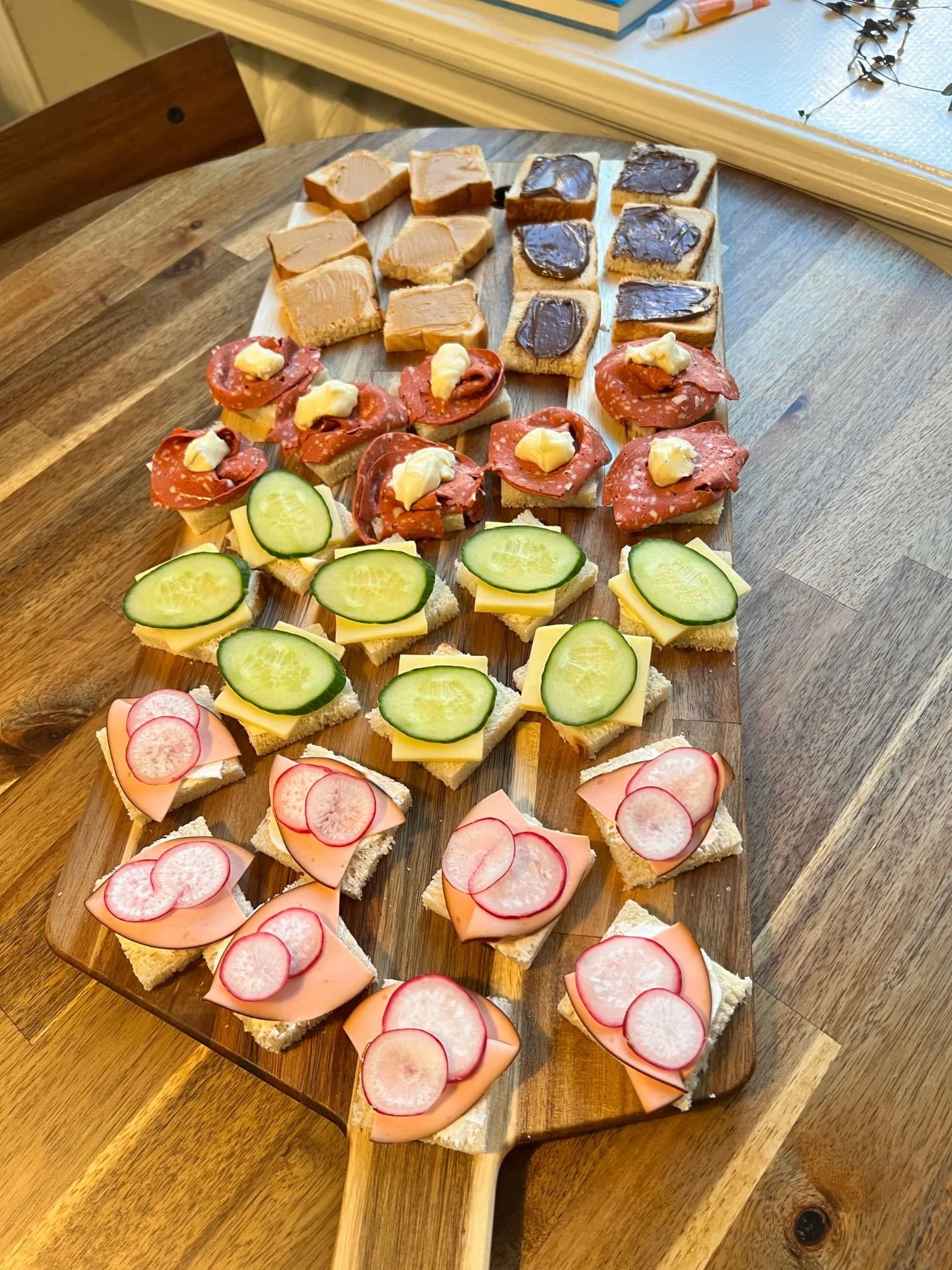
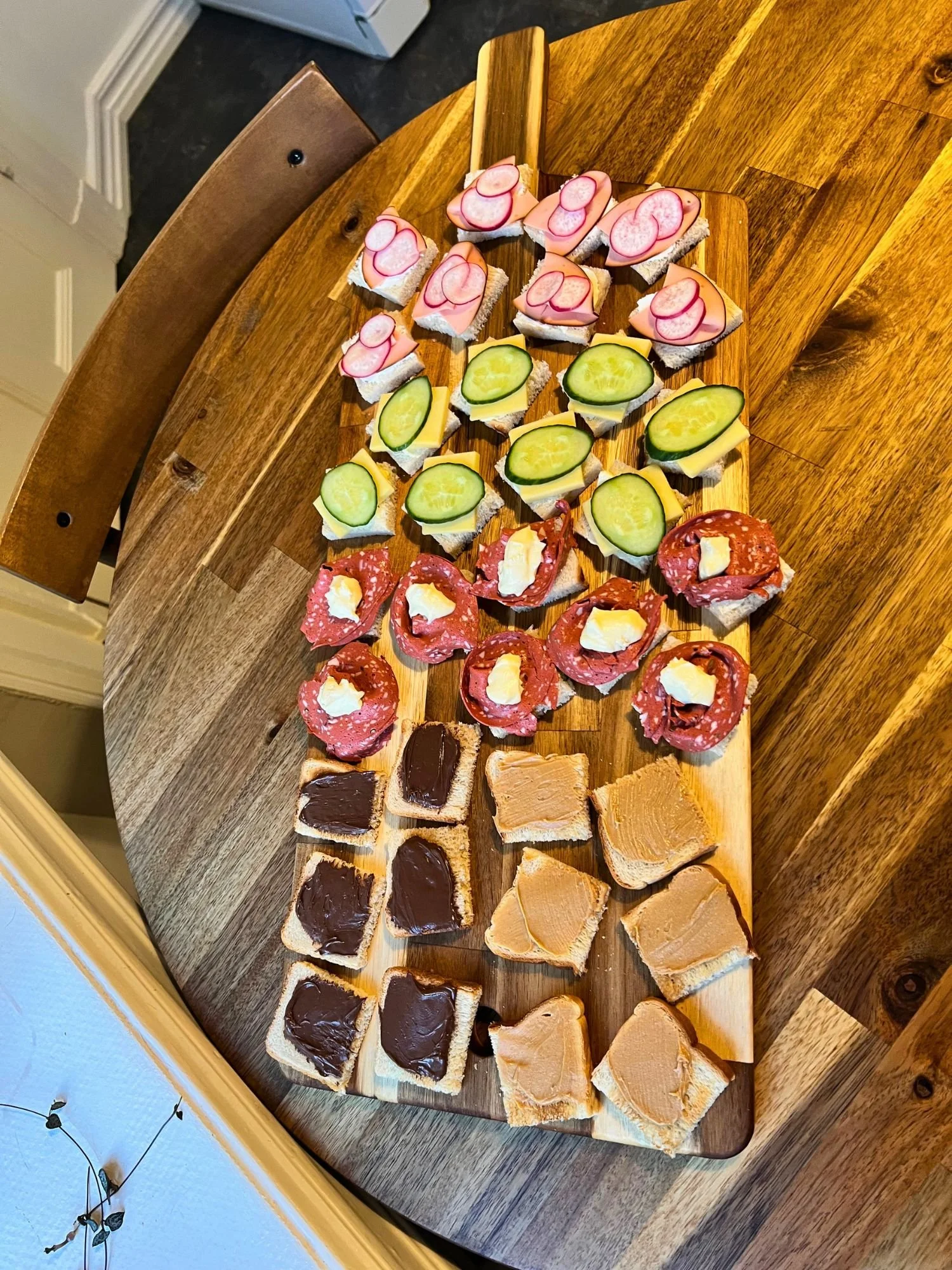
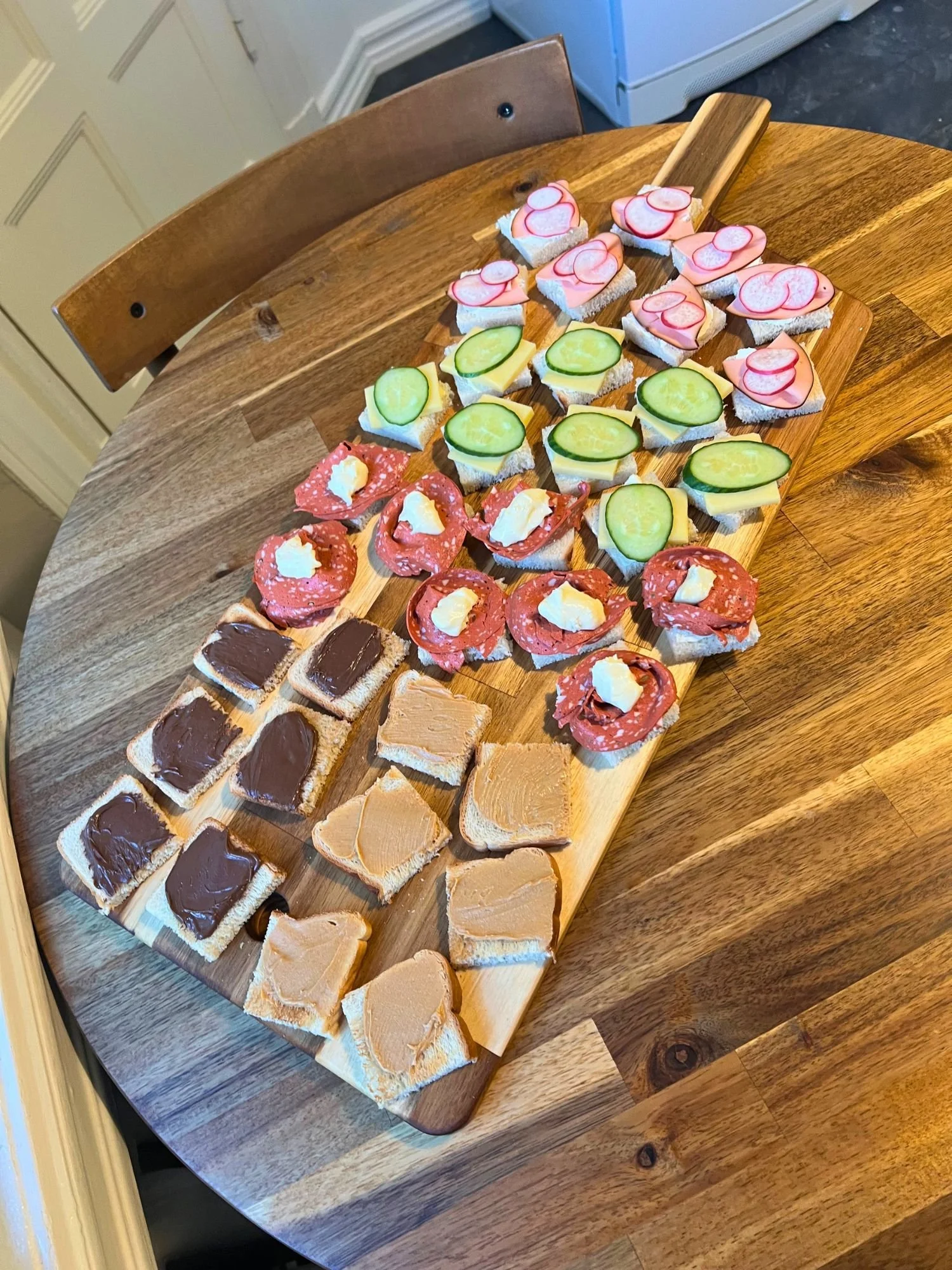
Mini sandwich board
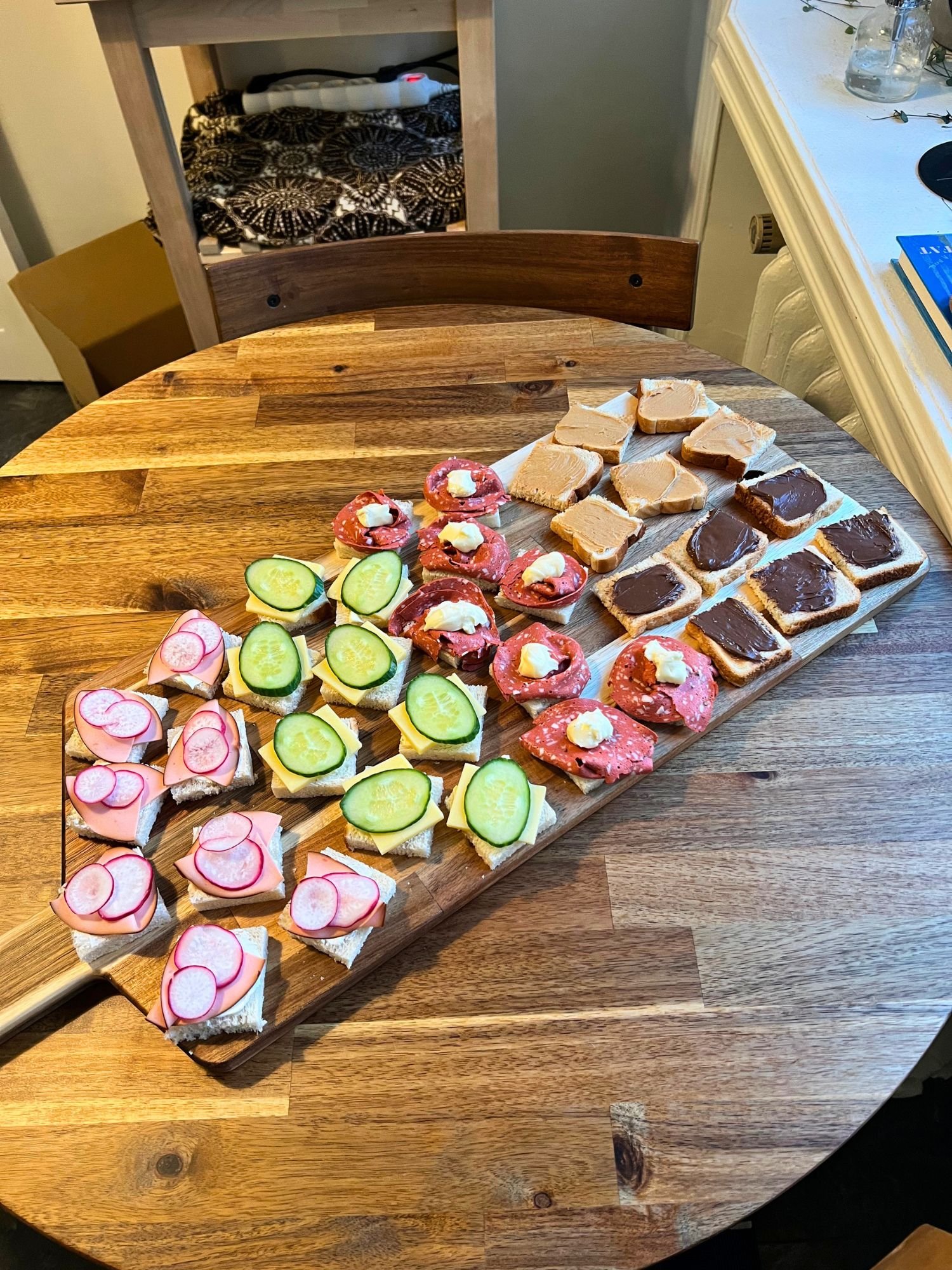
Mini sandwiches are perfect for parties, picnics, and lunches. Prepare a few different varieties so that guests can try several combinations. For example, you could make sandwiches with cream cheese, vegan cold cuts, and radishes, with butter, cheese and cucumber, or with vegan salami and brie. You could also include mini toasts with peanut butter or Nutella.
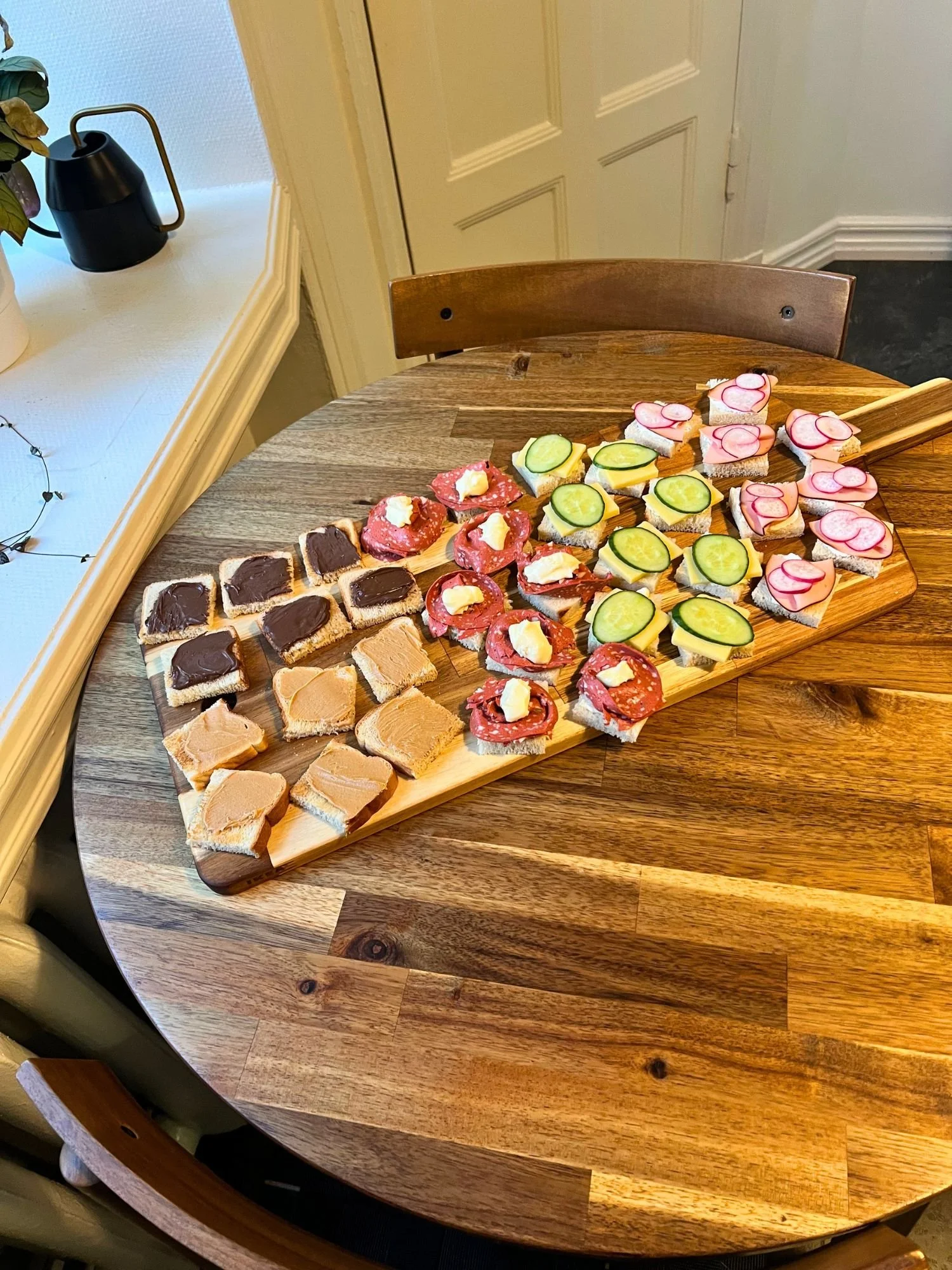
Make sandwiches and cut them into triangles or squares and arrange them on your board. If you have extra room, you could fill in the gaps with grapes, cherry tomatoes, olives, or vegetable sticks.
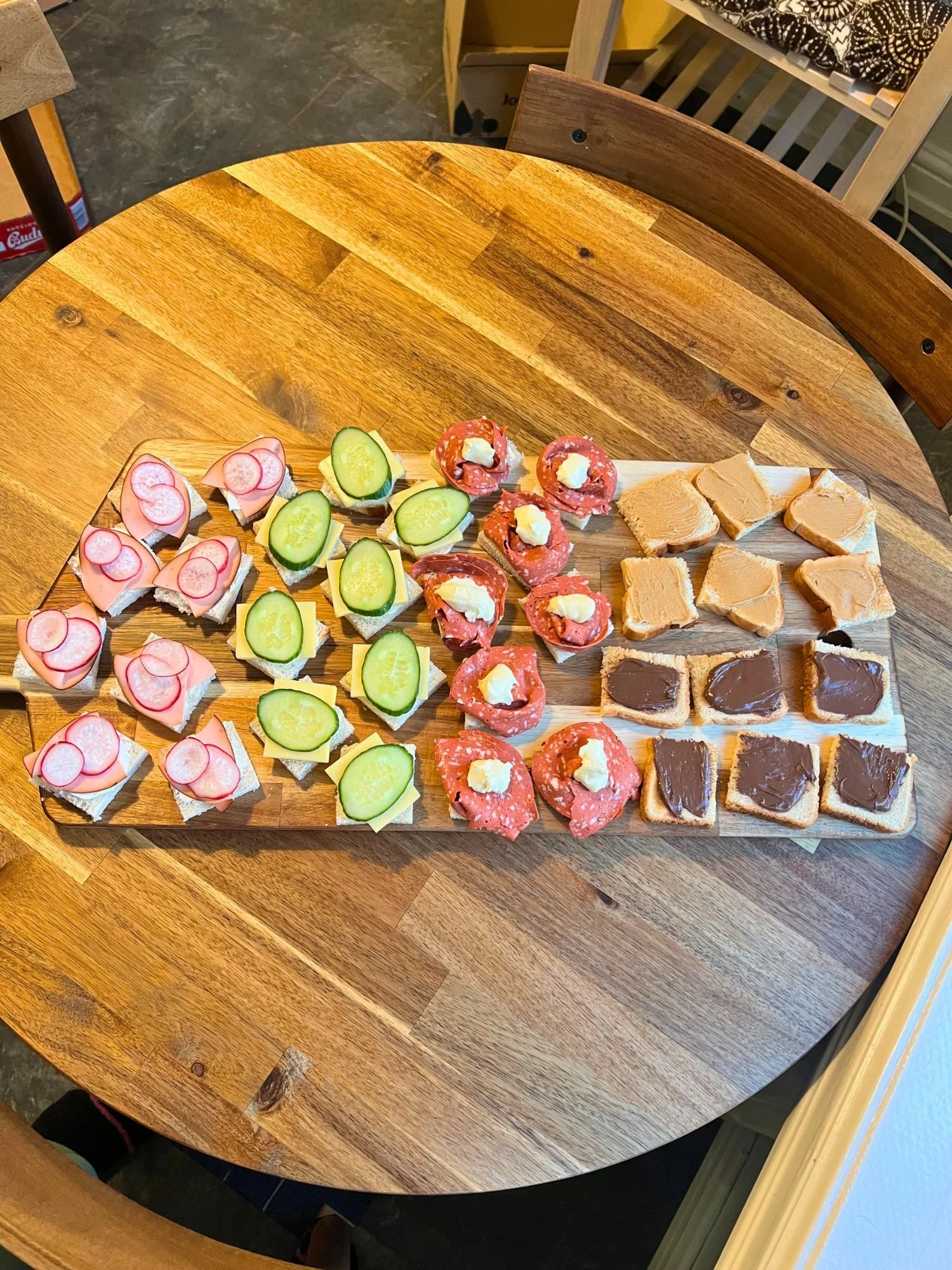
If you're preparing the sandwiches ahead of time, keep them covered in the refrigerator until you're ready to serve them. Add any ingredients that might make the bread soggy just before serving.
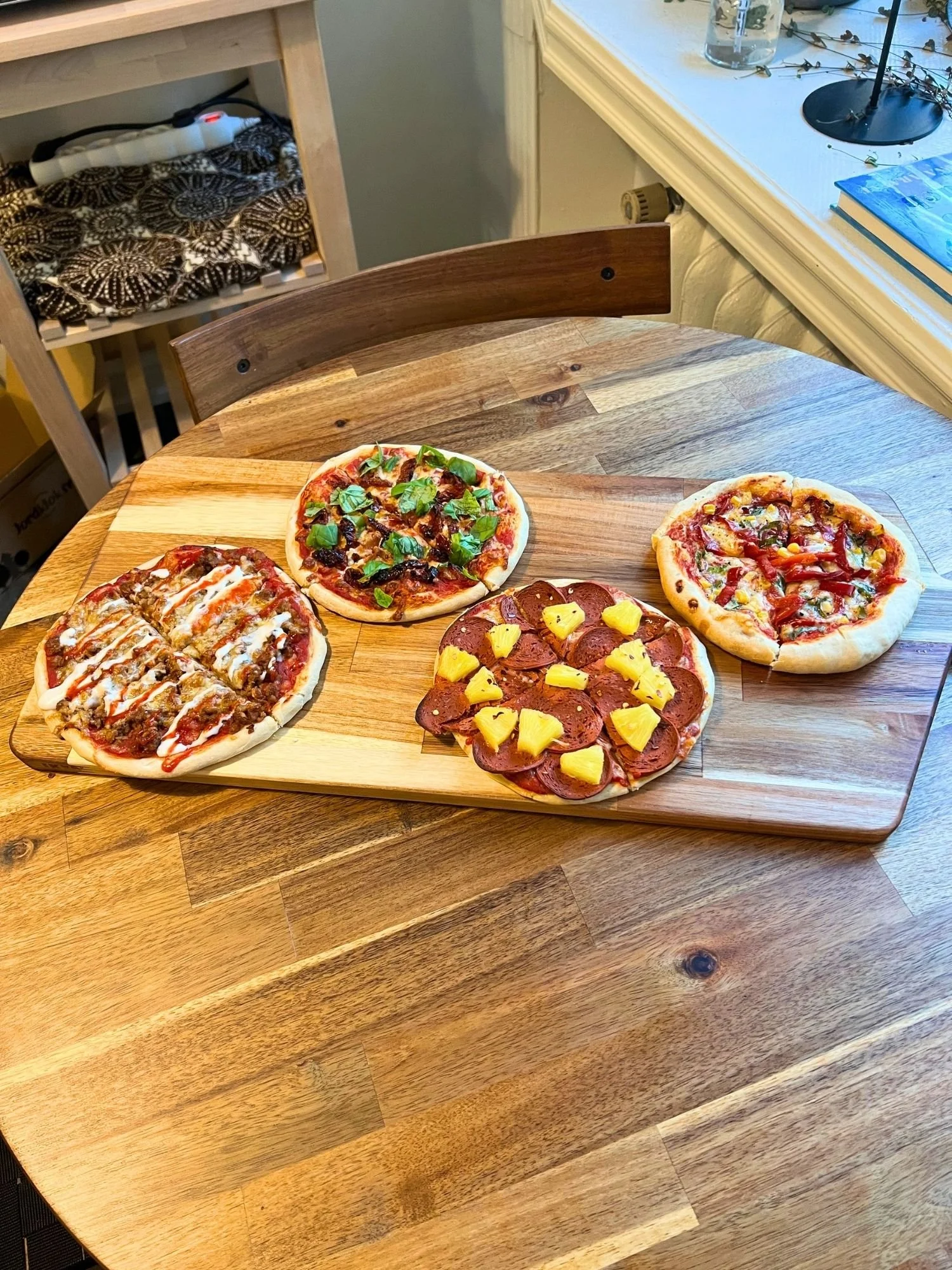
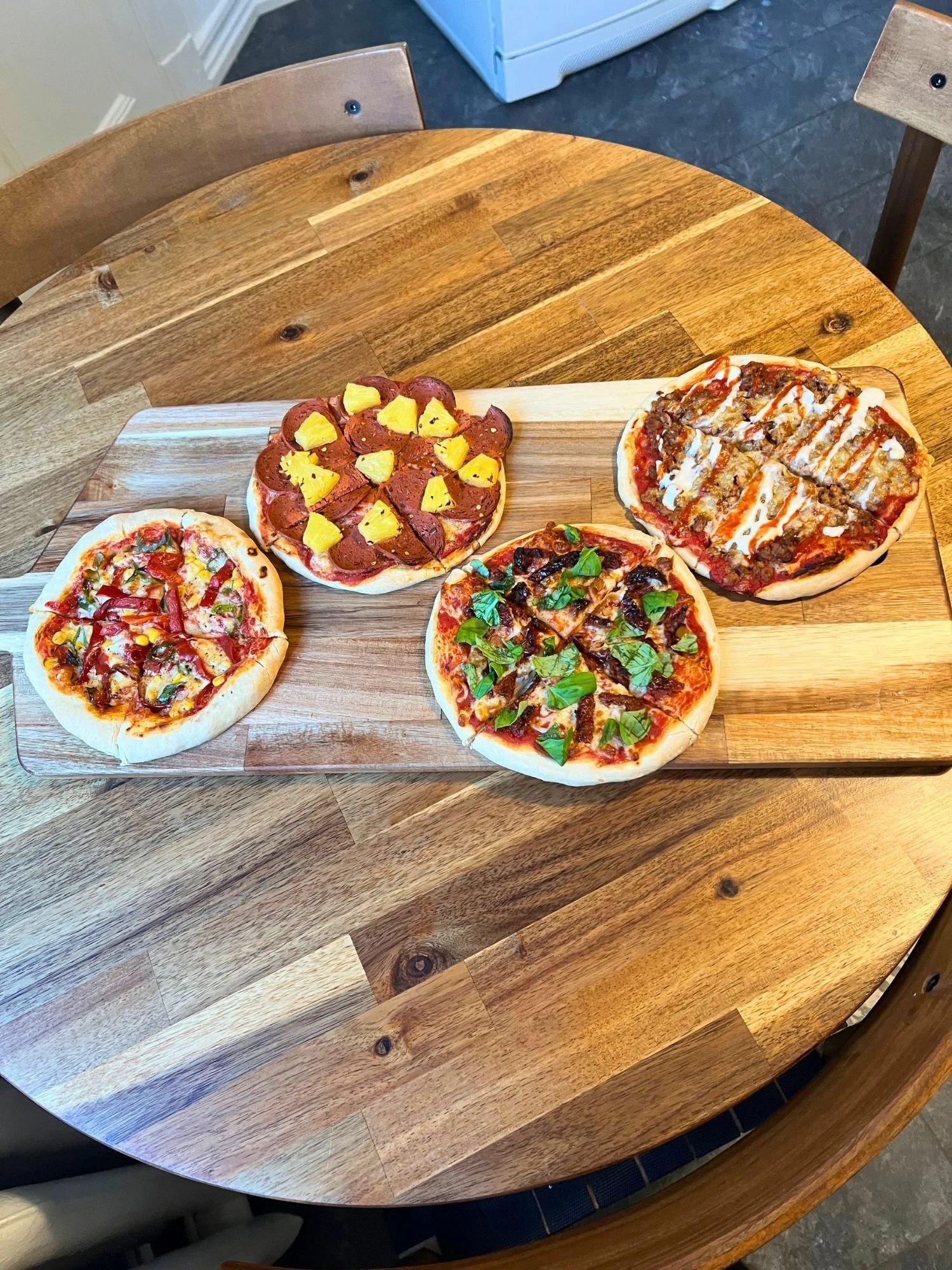
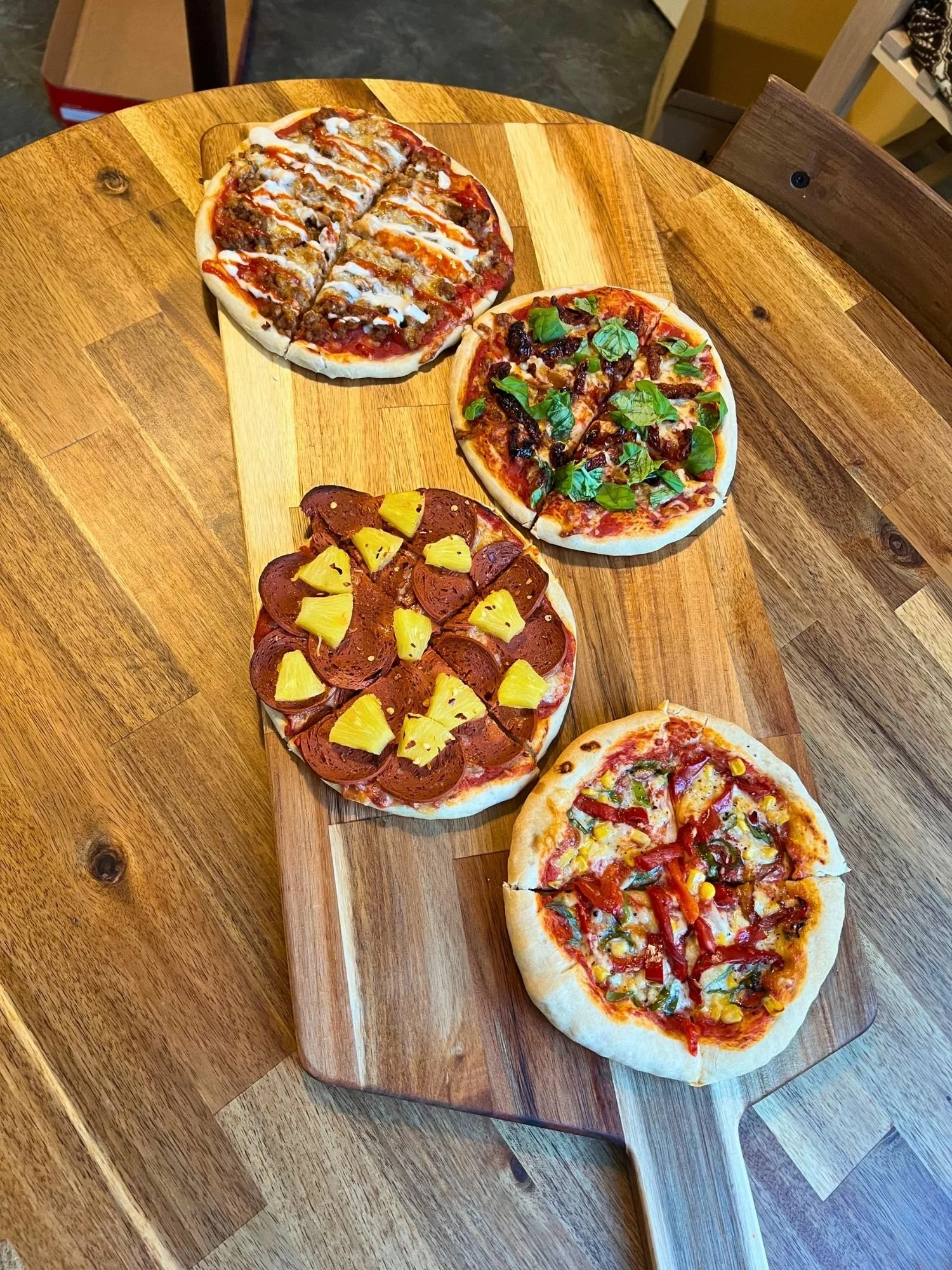
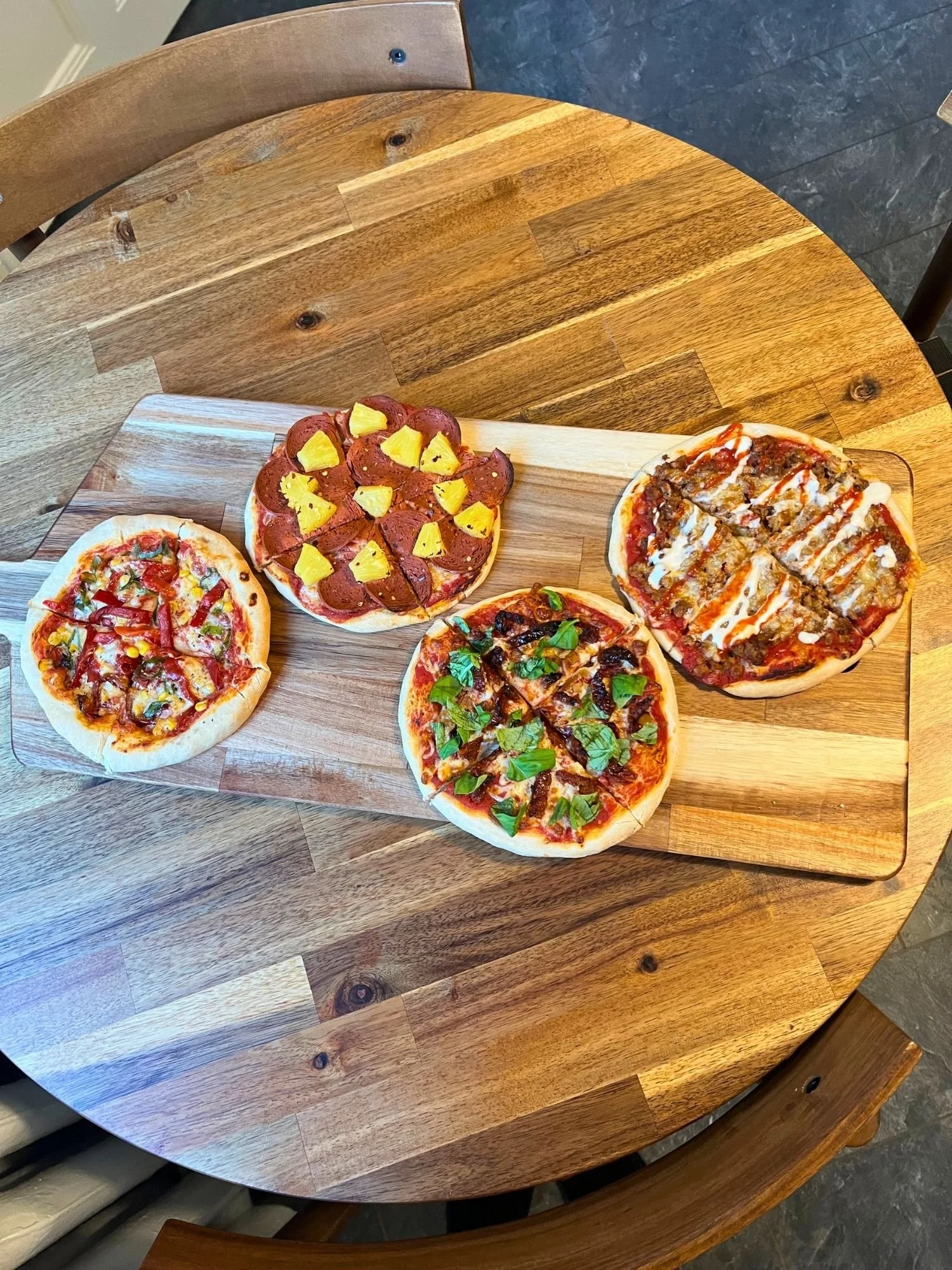
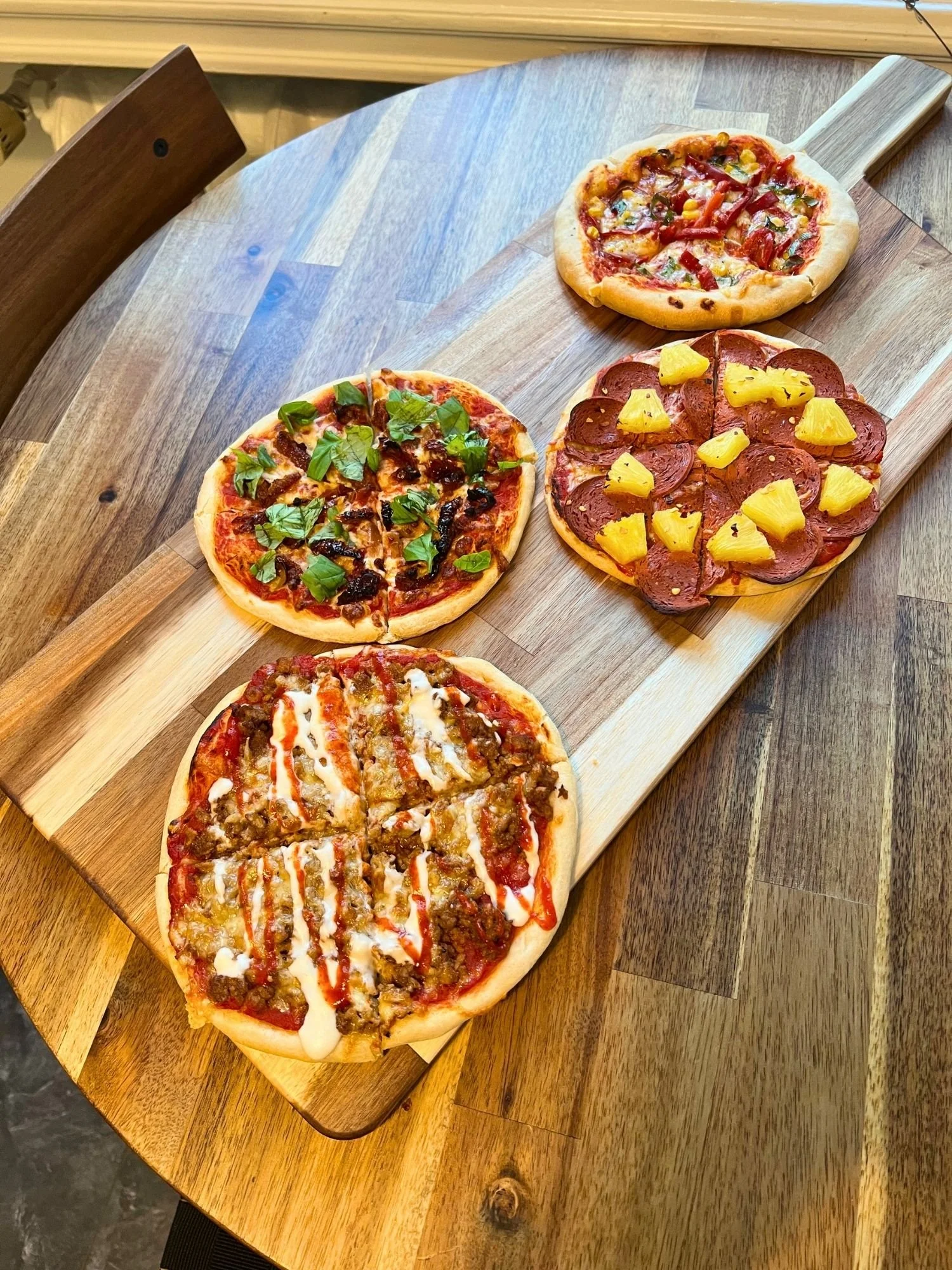
Mini pizza board
For a fun, crowd-pleasing option, try a mini pizza board. Small pizzas are easy to serve, and you can offer different toppings so everyone can find a favorite.
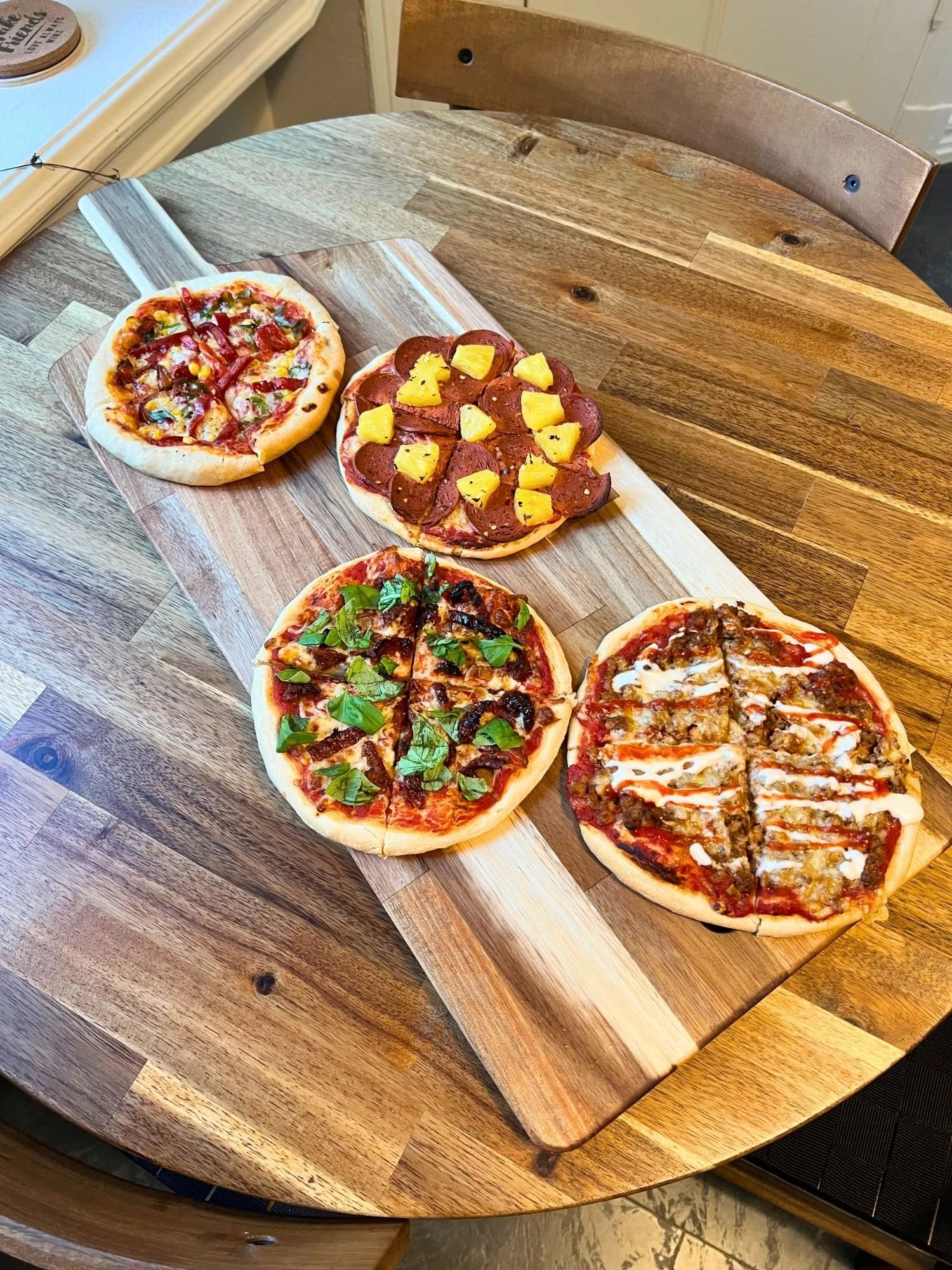
Start with small rounds of dough, add tomato sauce and cheese, then create pizzas with different sets of toppings. Bake the pizzas until the cheese is melted and the edges are golden, cut them into slices, and arrange them on your serving board.
Dessert Charcuterie Boards
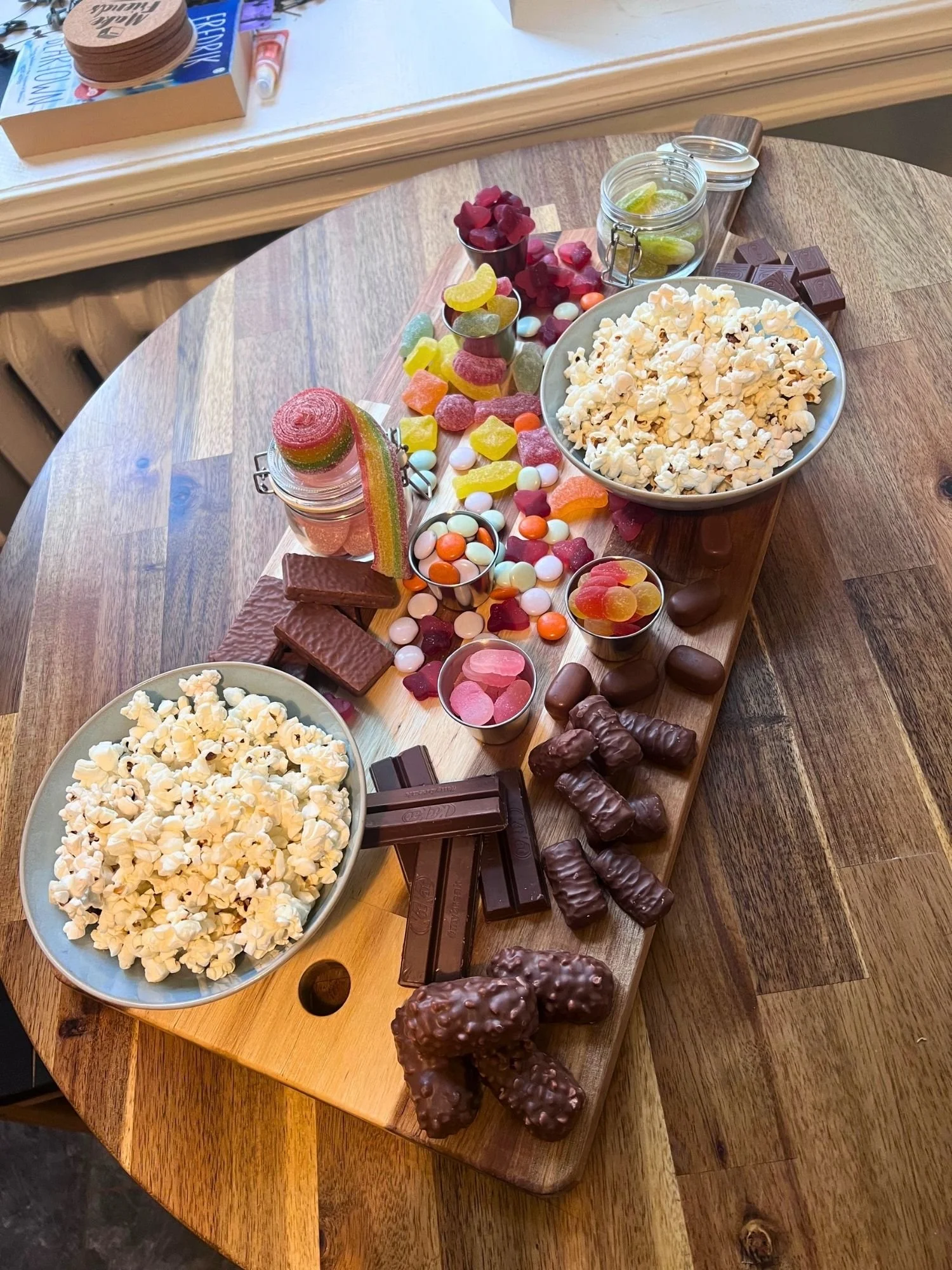
Dessert boards are a fun way to serve sweet treats at parties or celebrations, or for a cozy night in. The best dessert grazing boards combine different flavors, colors, and textures. You can make a dessert board as simple as a few store-bought favorites arranged on a board or go all out with an elaborate spread for a special occasion.
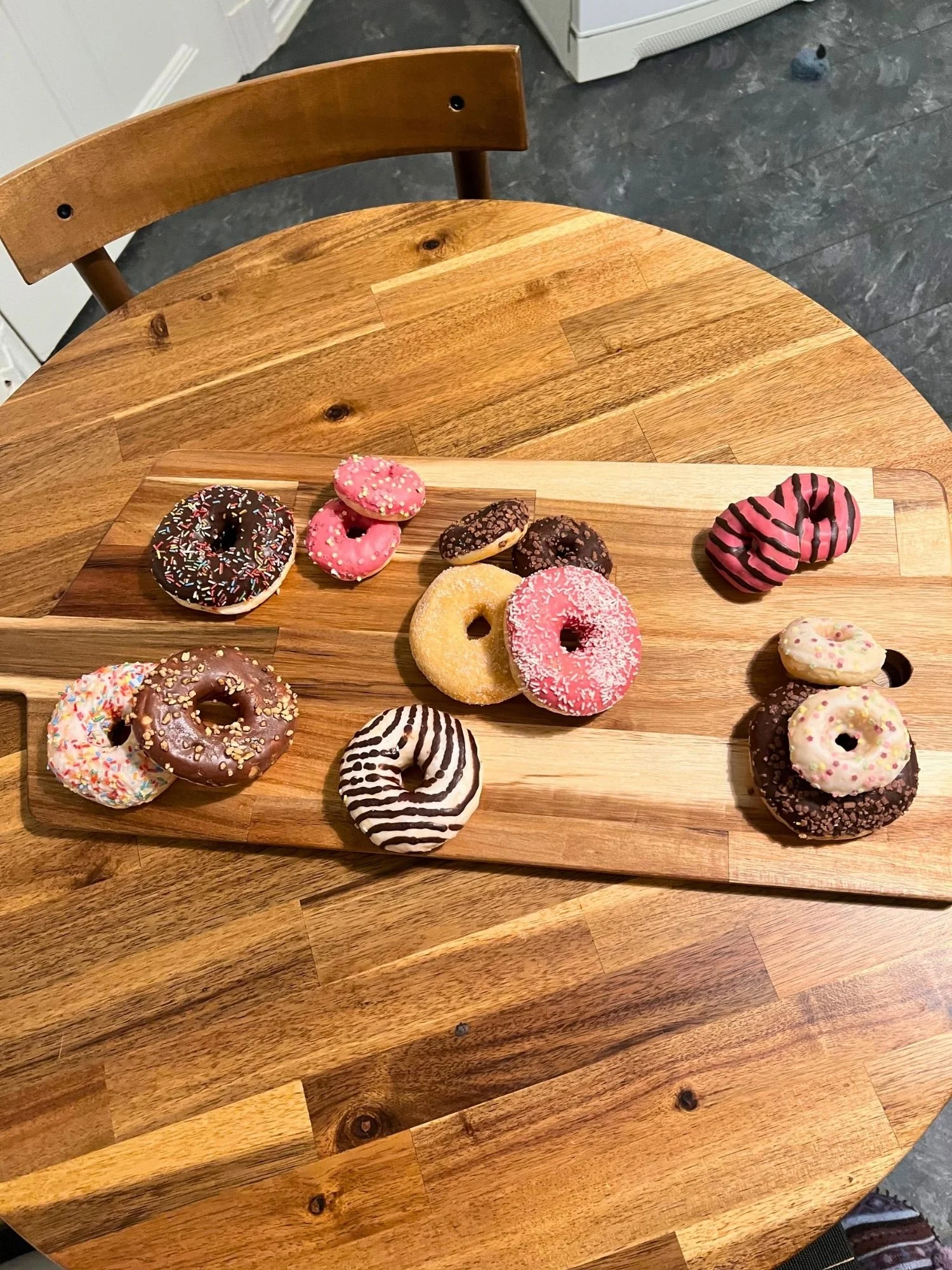
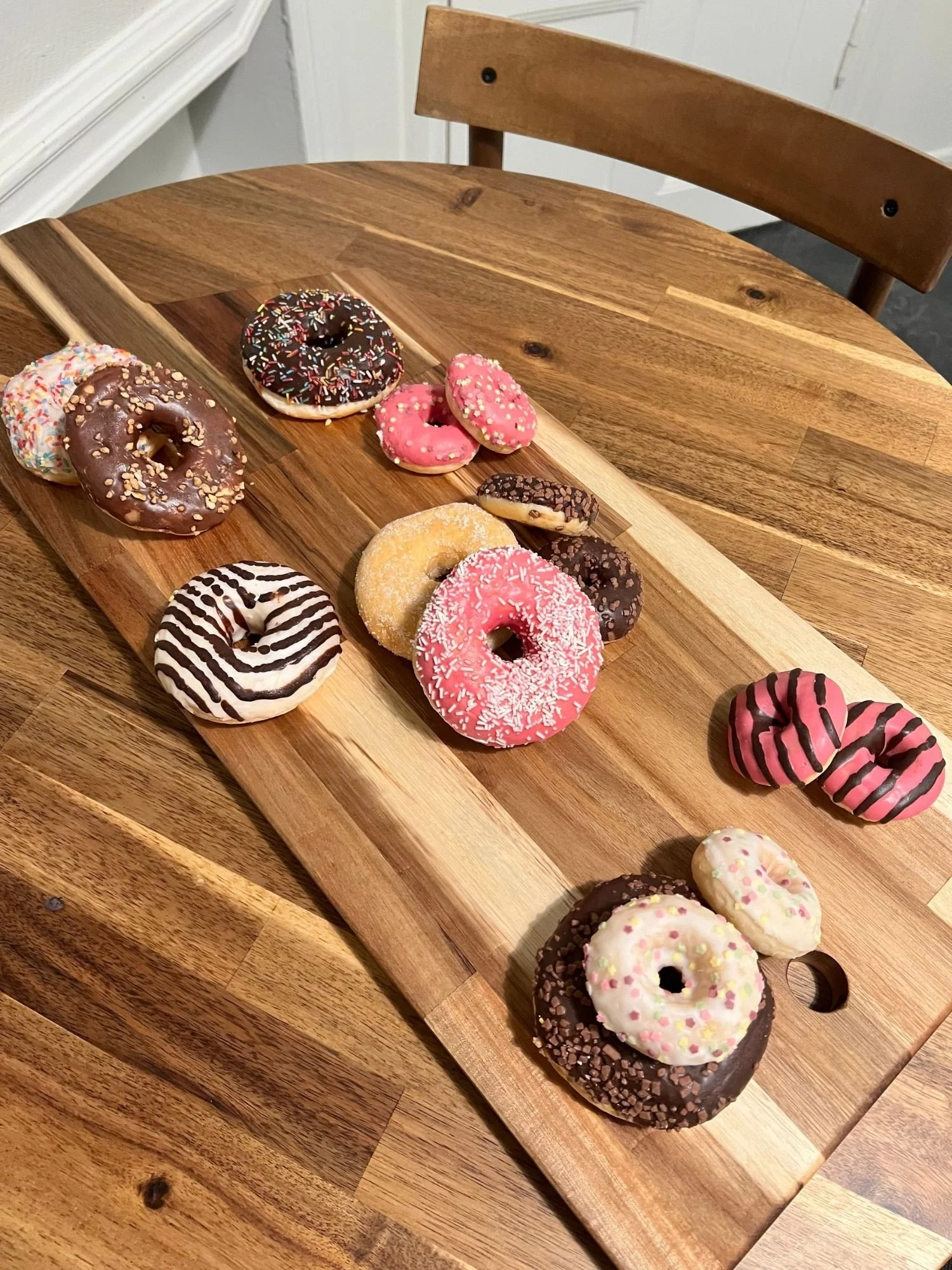
Donut board
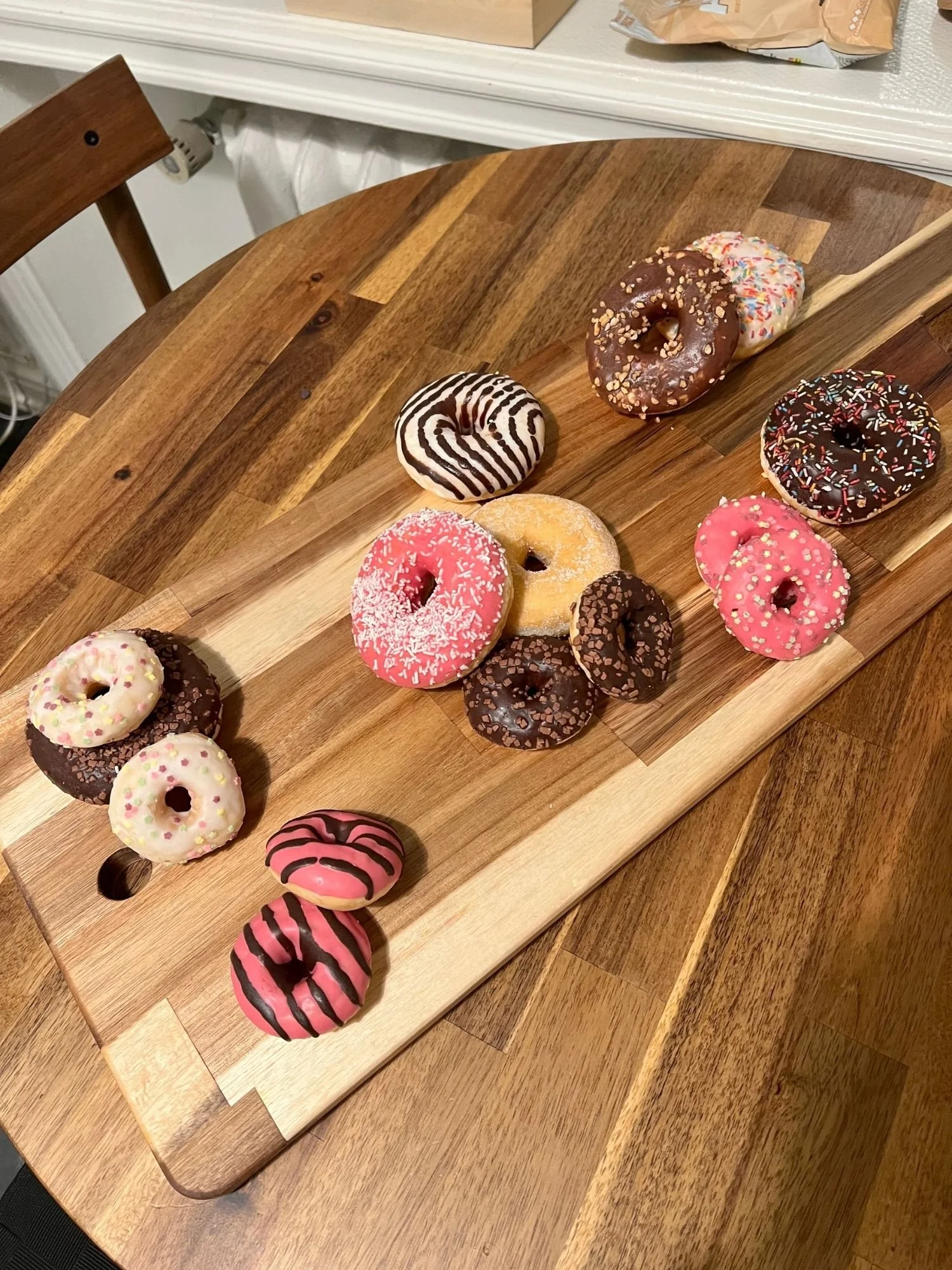
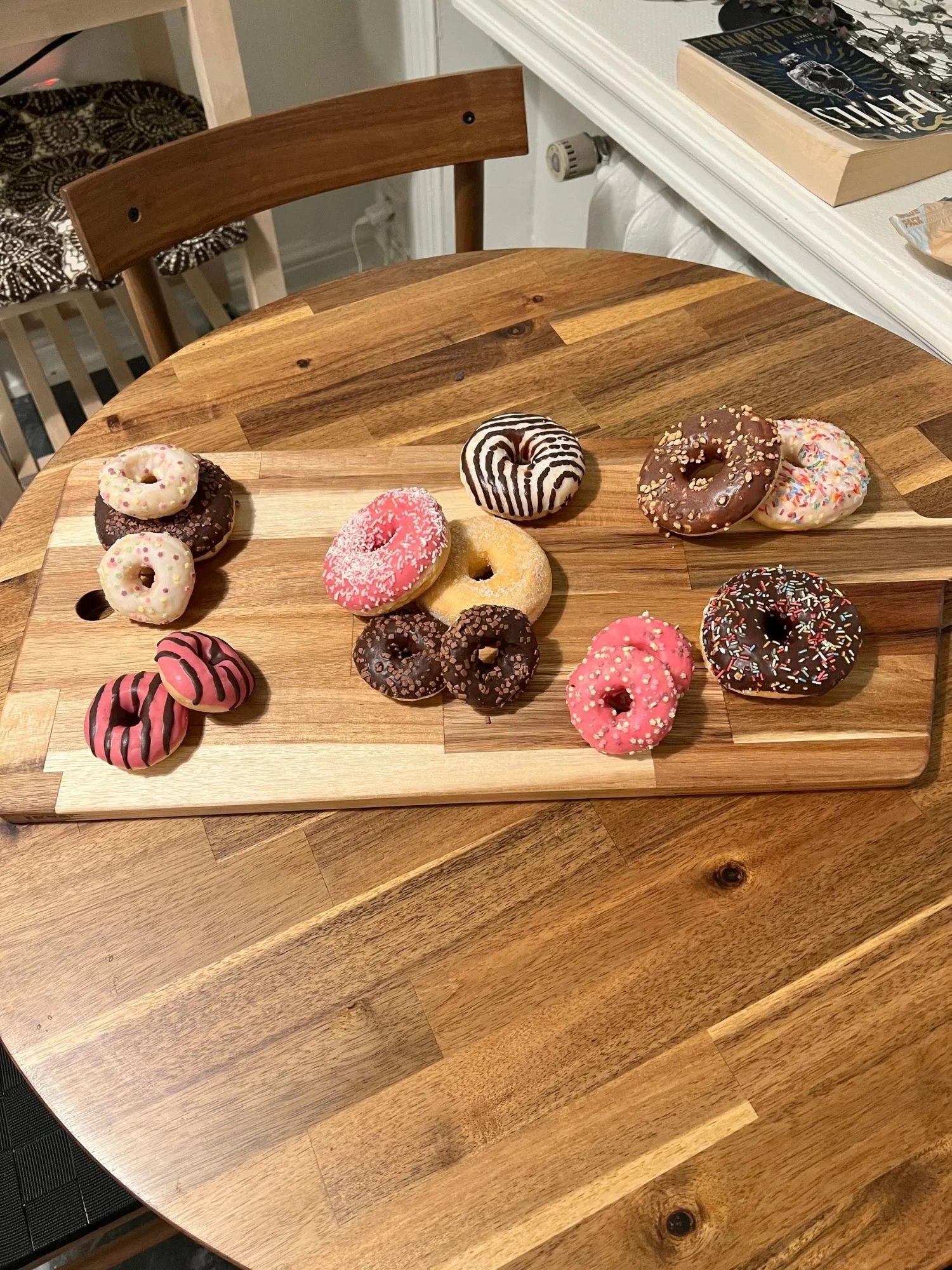
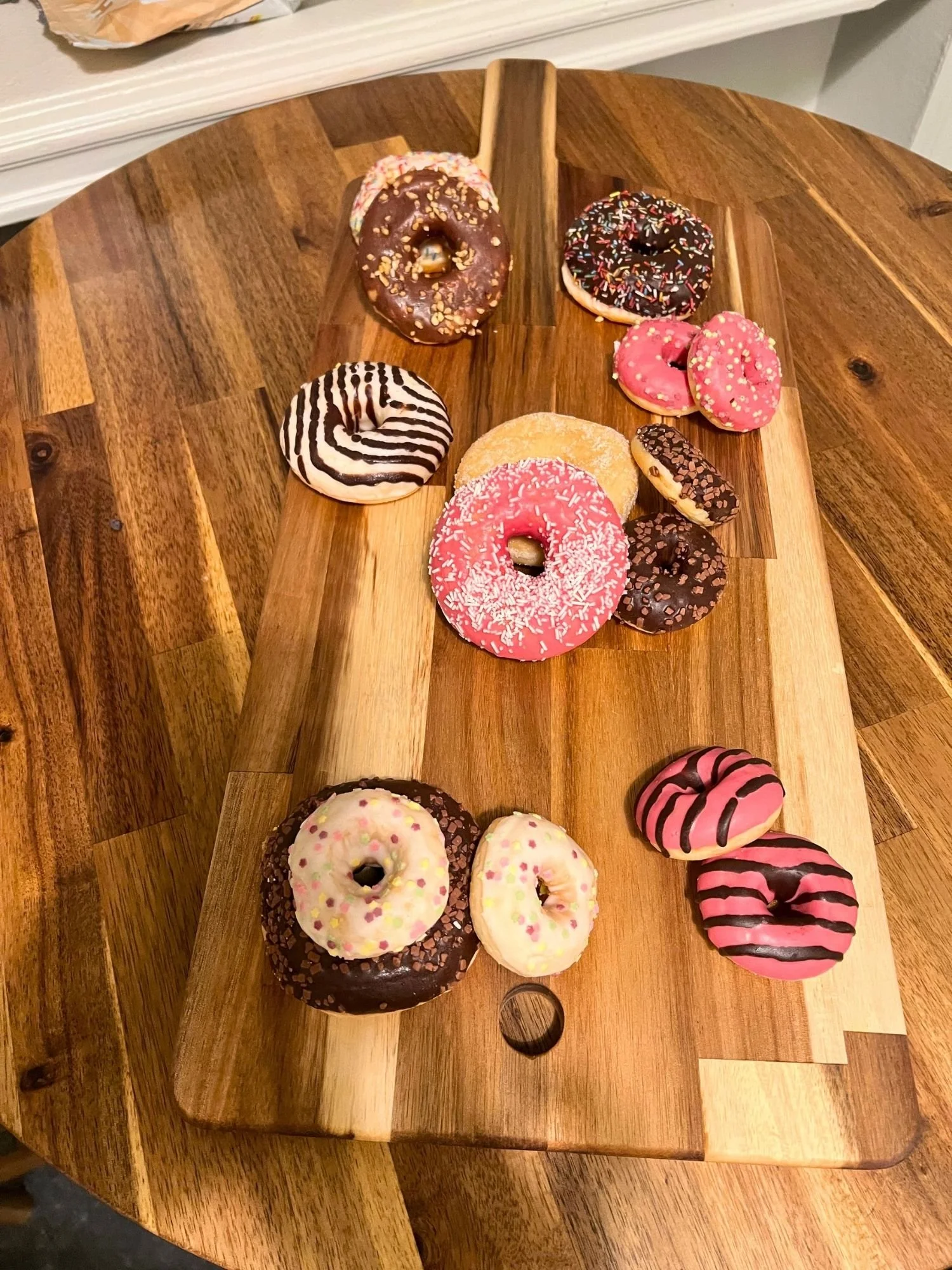
A donut board is a fantastic choice for colorful treats. Use a selection of full-sized donuts and mini donuts in different flavors and with different toppings.
Arrange the donuts in small groups, mixing colors and sizes to make the board visually interesting. You could also add fresh fruit such as strawberries or raspberries. This is one of the simplest grazing board ideas for a party when you want something that looks nice without requiring much preparation.
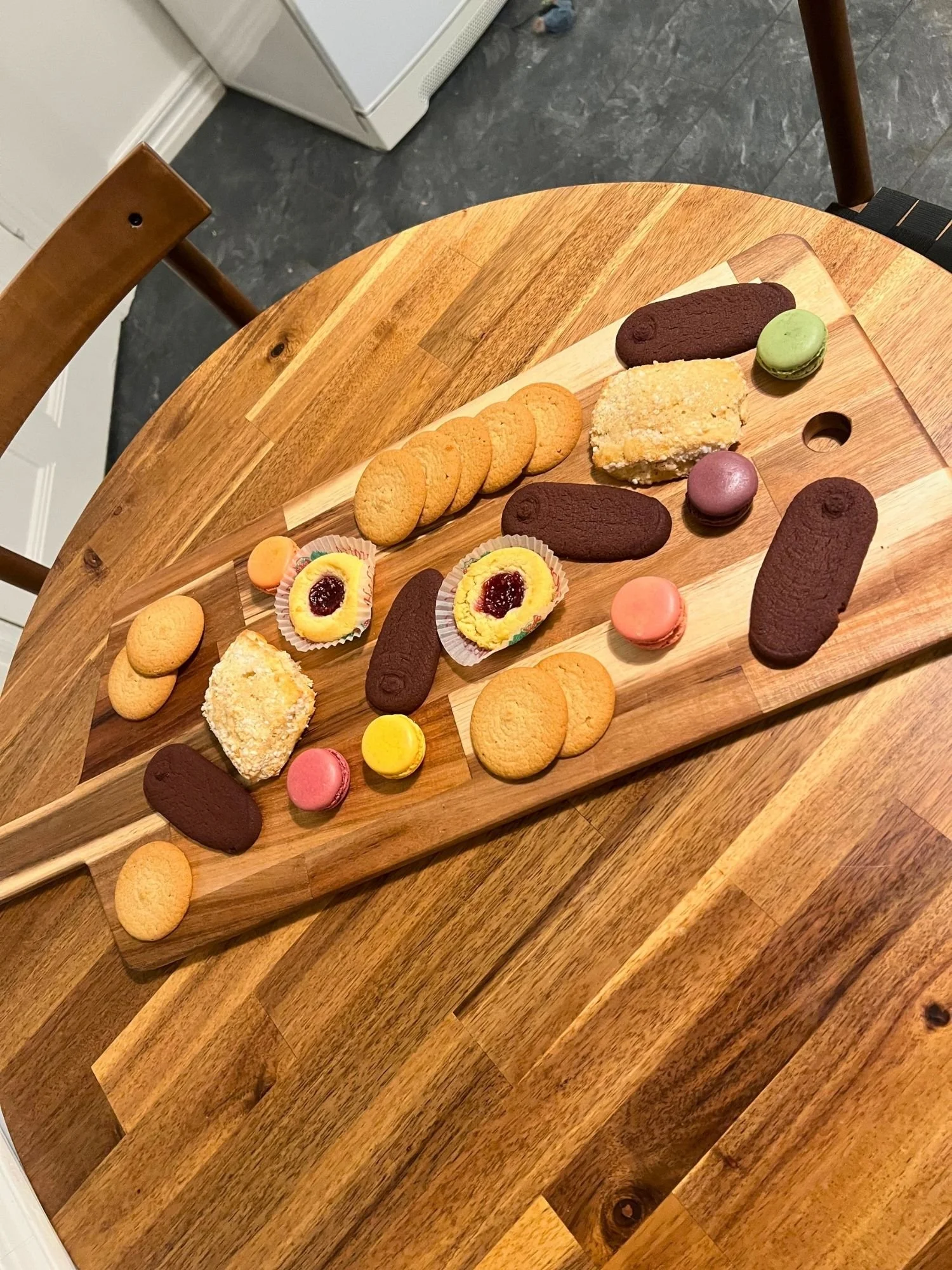
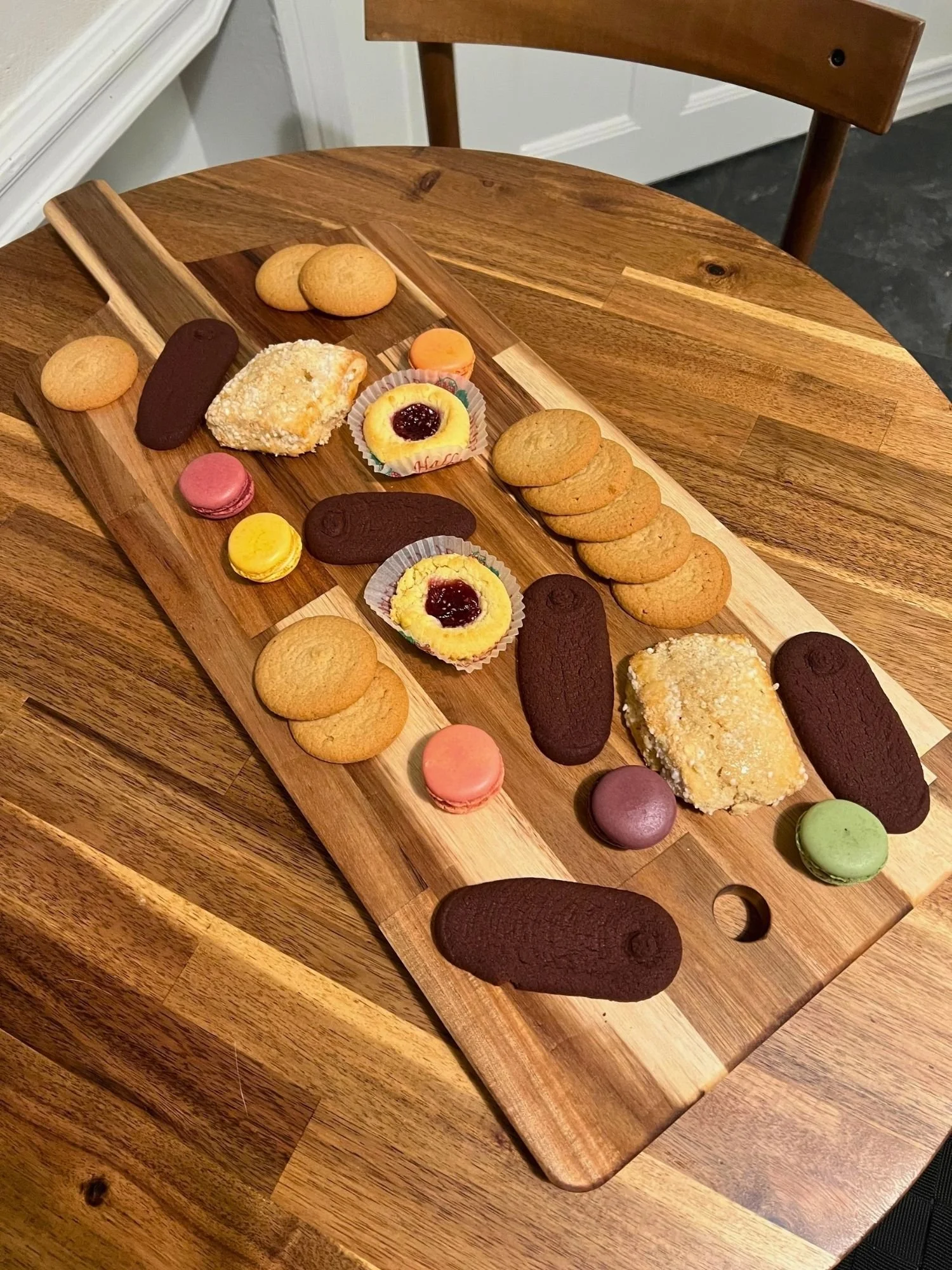
Cookie board
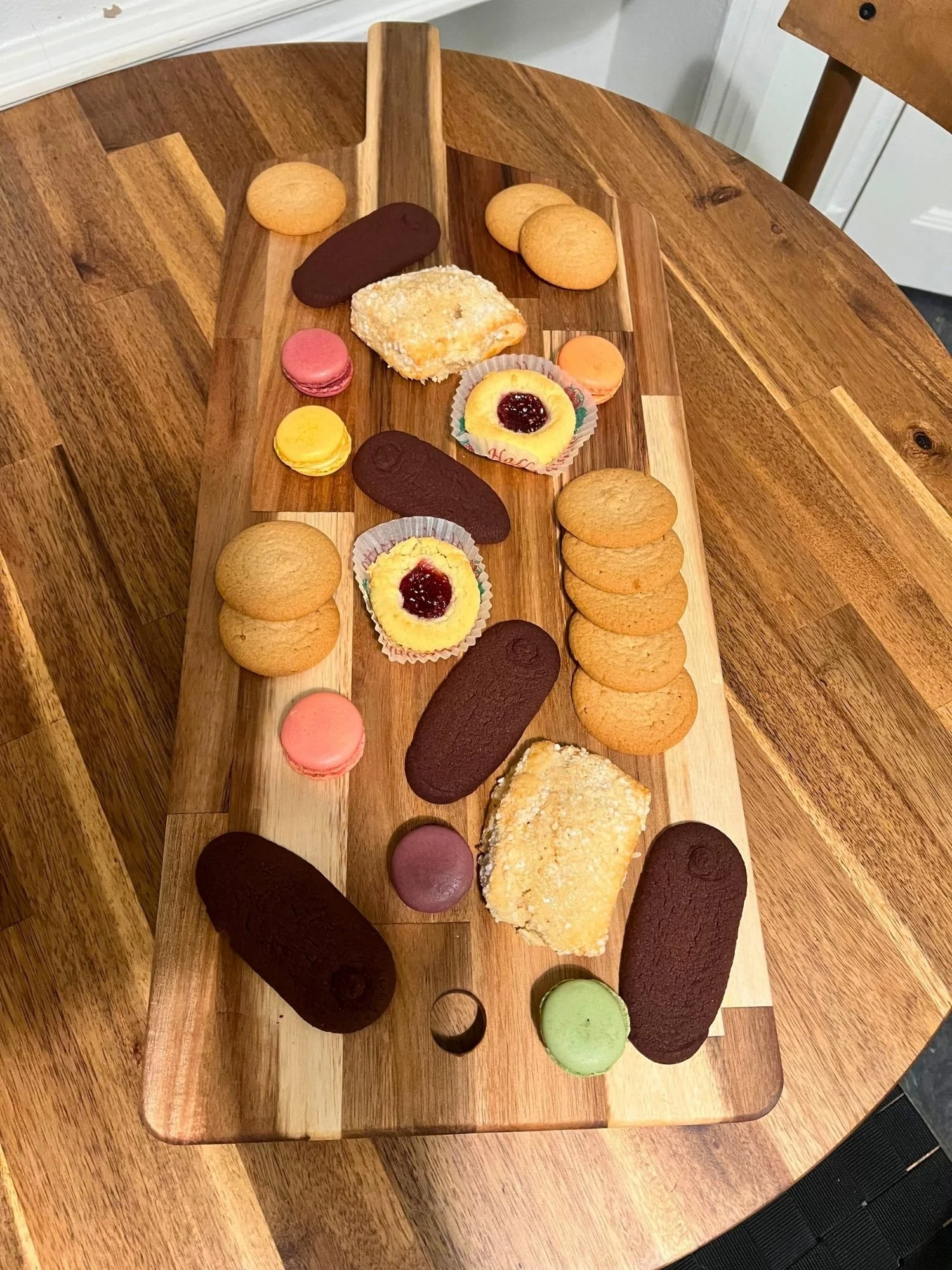
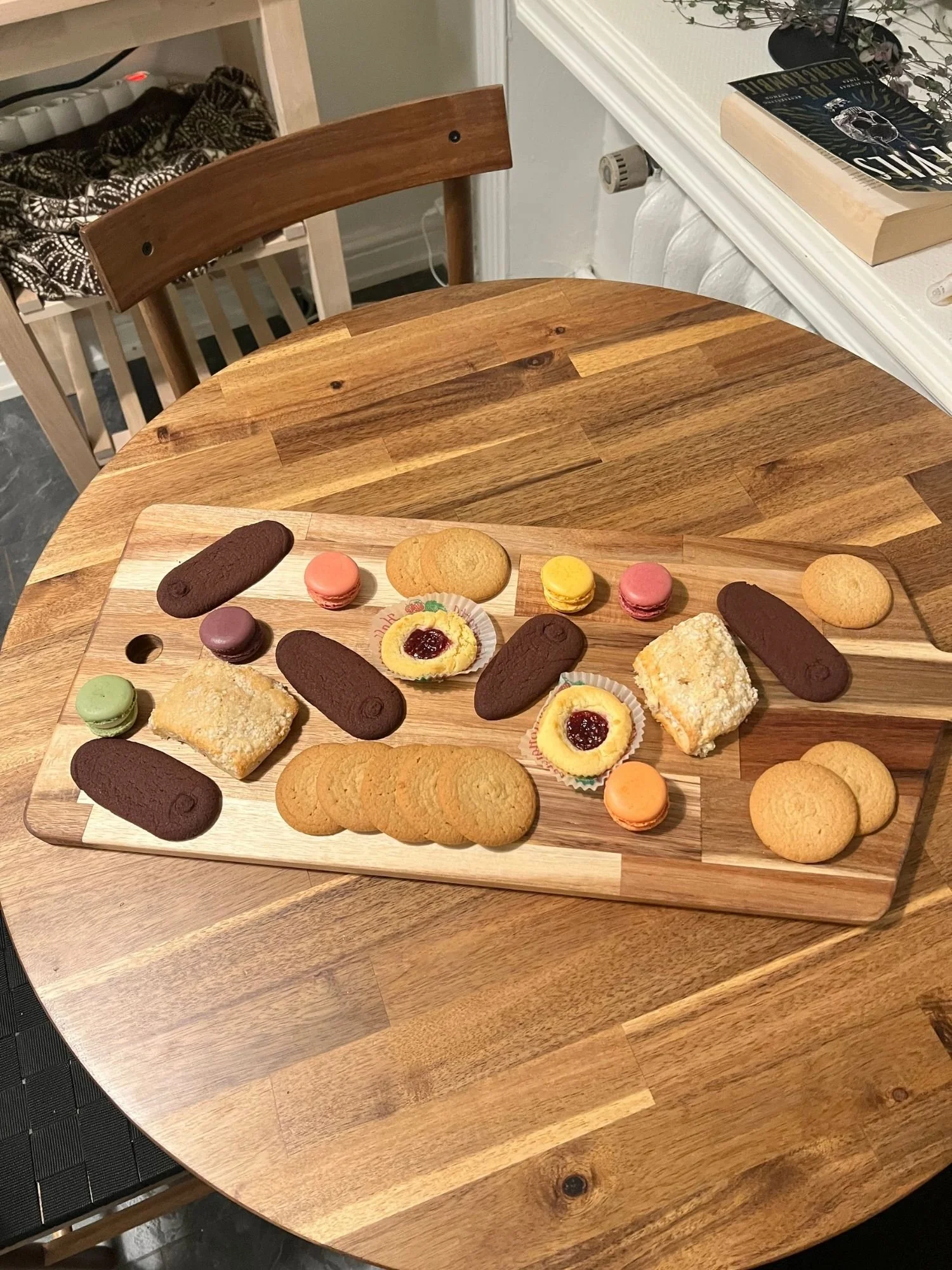
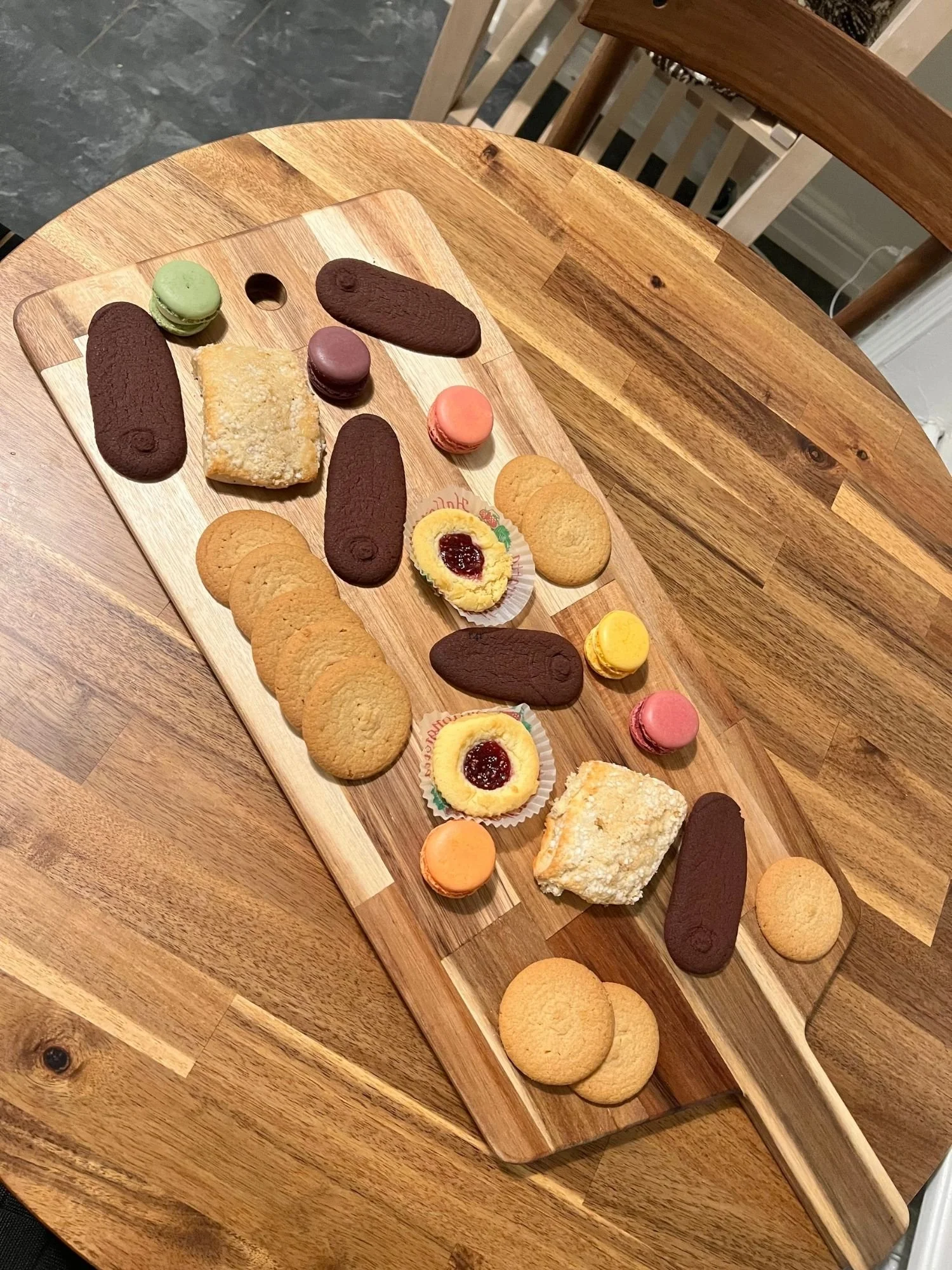
A cookie board is another easy way to create a dessert spread with plenty of variety. Combine different types of cookies, such as chocolate chip, oatmeal, shortbread, gingerbread, or double chocolate, to offer a mix of flavors and textures. You could even include a few homemade cookies alongside store-bought favorites.
A cookie board is perfect for afternoon fika, holiday gatherings, or a relaxed evening with friends. It's also an easy dessert to prepare ahead of time, making it a practical choice when you're entertaining.
How to make a simple vegetarian charcuterie board for two
A vegetarian charcuterie board for two is a great option for a special lunch or a date night at home. The key is to chose a few favorite foods that work well together, using the examples in this article as inspiration.
Arrange your items on a small board and try to include a few contrasting colors to create a nice aesthetic. Don't worry if your board looks less full than the elaborate spreads you see online. You can start with modest portions and the add more later if needed.
You can also save money by choosing ingredients that work for multiple meals. For example, buy a block of cheese rather than individually packaged portions, use leftover vegetables from another recipe, and if you have some extra bread, slice it and add it to your board.
Tips for a beautiful grazing board aesthetic
A thoughtfully arranged board elevates any occasion, and you don’t need professional food-styling skills to achieve this.
Create a colorful mix
One of the easiest ways to enhance your grazing board aesthetic is to think about color. Using contrasting shades makes the board look vibrant and help different foods stand out.
Fresh produce is particularly useful here. For example, strawberries, grapes, orange slices, and cherry tomatoes all bright pops of color.
Vary the shapes and textures
A board filled with items that all look alike can feel a little flat. Mixing shapes and textures creates visual interest and makes the food more appealing.
Some things you can do are fold cheese slices instead of laying them all flat, arrange crackers in overlapping rows, and stack mini sandwiches or pastries in small groups. Leave some grapes on the stem, cut other fruit into slices, and use vegetable sticks alongside smaller whole tomatoes.
Texture matters, too. Combine smooth dips with crunchy crackers, soft cheeses with crisp apples, or fluffy pastries with fresh berries. These contrasts make the board more interesting.
Use small bowls for dips and spreads
Small bowls are both practical and decorative. White ceramic bowls offer a clean, classic look, while colorful or textured bowls can add some personality.
Place the bowls on the board before arranging the other items to give you a basic layout to work around and help distribute the different elements evenly. If you're using several dips, try placing them at different points rather than clustering them all together.
Fill empty spaces thoughtfully
A beautifully styled grazing board often looks abundant, but you don’t need to pack every item tightly together. The trick is to avoid large, awkward gaps while still allowing each food to be seen and reached easily.
Small ingredients are perfect for filling spaces. Scatter a few berries between pastries, place olives alongside cheeses, or add nuts and dried fruit around crackers. Fresh herbs can also work as a decorative finishing touch.
At the same time, avoid overcrowding the board so much that guests struggle to pick things up. If you're preparing a large spread, using two smaller boards can sometimes look better and be more practical than squeezing everything onto one.
Make simple ingredients look special
Cut fruit into attractive shapes, arrange crackers neatly, and use a mixture of whole and sliced ingredients. Ultimately, a great grazing board aesthetic comes down to making the food look inviting while keeping it easy to enjoy. Experiment with different arrangements!
Easy shortcuts for simple grazing boards
Some of the best grazing boards are built around a few convenient ingredients, arranged in a way that makes them look extra inviting. These shortcuts will help you put together something delicious without making more work for yourself.
Let the supermarket do some of the work
Supermarkets and bakeries offer plenty of ready-made ingredients that work perfectly on grazing boards. If you enjoy cooking or baking, you can choose one or two homemade items to include to make the board feel more personal without all the work of preparing everything yourself.
Use ingredients you already have
Before heading to the supermarket, take a look in your fridge and pantry. You might already have most of what you need for a simple grazing board.
This approach is also a great way to reduce food waste. Instead of buying lots of new ingredients for a single occasion, build your board around what needs using up and purchase just a few extras to complete it.
Keep it simple
It's easy to get carried away when looking at elaborate grazing boards online, but you don't need dozens of different foods. Start with three or four main components, then add a few complementary extras.
Frequently asked questions about vegetarian charcuterie boards
What can you put on a vegetarian charcuterie board?
A vegetarian charcuterie board can include cheese, crackers, bread, fresh and dried fruit, vegetables, nuts, olives, dips, and spreads. You can also get creative with mini sandwiches, falafel, quesadillas, pastries, pancakes, cookies, and other bite-sized foods. Just choose a combination of flavors, colors, and textures that suit your occasion.
How do you make a vegetarian charcuterie board filling enough for lunch or dinner?
For a satisfying vegetarian charcuterie lunch or grazing board dinner, include a few substantial ingredients alongside your dips and snacks. Bread, pita, crackers, cheese, falafel, hummus, beans, mini sandwiches, and quesadillas are all good options. Add fresh vegetables and fruit for variety, and include protein-rich foods such as beans, chickpeas, or nuts.
Plan enough food for everyone to have a generous portion rather than treating the board as a collection of small appetizers. You can also serve a salad alongside the board if you want to make the meal more substantial.
What should you include on a vegetarian charcuterie board for two?
For a simple vegetarian charcuterie board for two, start with two cheeses, a handful of crackers, some fresh fruit, a few vegetables, and one dip or spread. Grapes, cucumber sticks, cherry tomatoes, hummus, and baguette slices are easy additions.
You can adapt the board to suit the occasion. For a Mediterranean-inspired lunch, use pita, hummus, falafel, and feta. For a sweet breakfast, try mini pancakes, berries, banana slices, Nutella, and maple syrup. The key is to choose a few complementary ingredients rather than buying lots of different foods that might go to waste.
How do you make a grazing board look aesthetic?
To create a beautiful grazing board aesthetic, combine contrasting colors, shapes, and textures. Start by placing any bowls of dips or spreads on the board, then arrange larger items like cheese, bread, sandwiches, or pastries around them. Fill the remaining spaces with smaller foods such as grapes, berries, olives, nuts, or crackers.
Use a mixture of whole and sliced ingredients, group similar foods together, and avoid leaving large empty gaps. You don't need an expensive serving board or elaborate decorations. A simple board with thoughtfully arranged ingredients can look just as appealing.
Can you prepare a vegetarian grazing board ahead of time?
Yes! Many components of a vegetarian grazing board can be prepared in advance. Wash and cut sturdy vegetables, portion dips into containers, prepare homemade salads, and slice firm cheeses ahead of time. Store everything in suitable covered containers in the refrigerator until you're ready to assemble the board.
For the freshest results, arrange the ingredients shortly before serving. Add crackers and bread at the last minute to help them stay crisp, and prepare hot foods such as fries, quesadillas, and mini pizzas close to serving time.
What’s the difference between a charcuterie board, a cheese board, and a grazing board?
A traditional charcuterie board focuses on prepared or cured meats, often accompanied by cheese, crackers, and other extras. A cheese board places cheese at the center of the spread, with accompaniments such as fruit, bread, nuts, and preserves.
A grazing board is a broader concept that can feature almost any combination of foods. Vegetarian grazing boards might include Mediterranean mezze, sandwiches, pastries, breakfast favorites, or desserts. While the terms overlap, grazing board is the most flexible term to use when you're planning a spread without meat.
Can a vegetarian charcuterie board be vegan?
Absolutely! A vegan grazing board can feature hummus, baba ghanoush, falafel, fresh vegetables, fruit, olives, nuts, crackers, pita bread, and plant-based dips and spreads. You can also include vegan cheese, plant-based nuggets, fries, mini sandwiches, or vegan cookies.
Check the ingredient labels on packaged foods, especially bread, crackers, sauces, and prepared snacks, to make sure they don't contain animal-derived ingredients. With a little planning, it's easy to create a colorful vegan board that offers plenty of variety.
The best vegetarian charcuterie boards are the ones that reflect what you love to eat, and there's no shortage of ways to make grazing boards your own. Start with a few favorite ingredients, experiment with different combinations, and don't be afraid to mix homemade dishes with supermarket shortcuts. All you need is good food, a little creativity, and something delicious to share!