Sweden's Best National Parks
Tyresta National Park
Sweden’s 31 national parks protect some of its most spectacular natural landscapes, including mountains in the Arctic north, ancient forests, coastal archipelagos, and sandy beaches in the south. In this guide, we'll explore some of the best national parks in Sweden, what makes each one unique, and how to make the most of your visit.
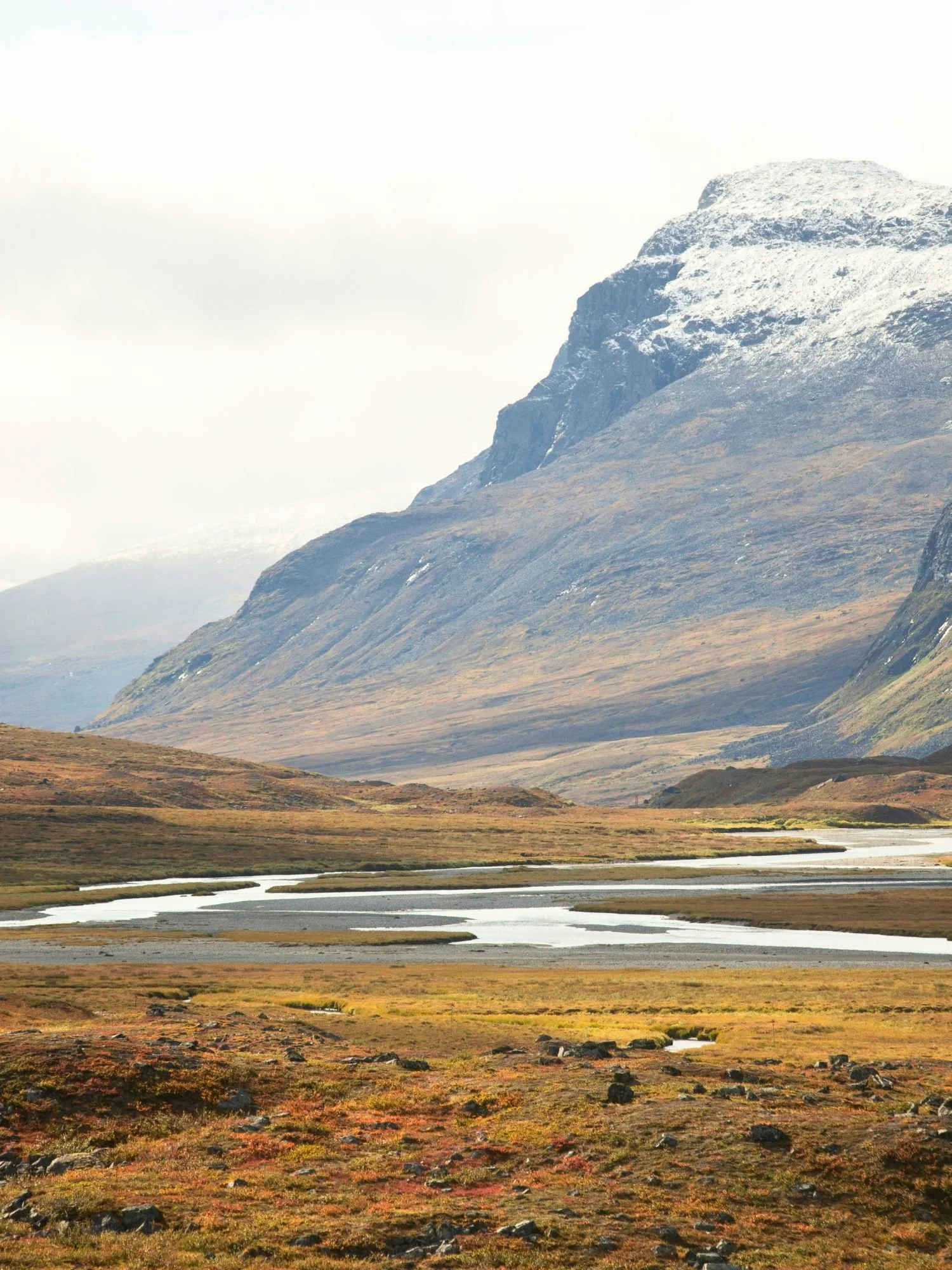
Abisko National Park
What is a national park in Sweden?
A national park is a protected area established to preserve a country's most valuable natural environments. Sweden's national parks protect a wide variety of environments, including mountain ranges, ancient forests, wetlands, islands, marine habitats, and coastal landscapes. These areas are considered nationally significant due to their natural beauty, ecological importance, or cultural heritage. Special regulations help ensure that the parks remain largely untouched and can be enjoyed by future generations.
National parks are managed through cooperation between Swedish government agencies and local authorities. Their primary goal is conservation, but they also play an important role in recreation, education, and scientific research. Many parks offer marked hiking trails, visitor centers, information boards, and guided activities that help visitors learn more about the surrounding environment.
It's important to note that national parks are different from nature reserves. While both protect valuable natural areas, national parks typically receive the highest level of protection and are established by the Swedish Parliament. Nature reserves can be created by county administrative boards or municipalities and there are a lot more of them.

Abisko National Park
A brief history of Sweden's national parks
In 1909, Sweden became the first country in Europe to establish national parks, demonstrating an early commitment to protecting its most valuable natural landscapes. During a period of rapid industrialization and development, Swedish lawmakers recognized the importance of preserving areas of exceptional natural beauty for future generations.
On May 24, 1909, the Swedish Parliament approved the creation of the country's first nine national parks, including Abisko National Park, Sarek National Park, and Stora Sjöfallet National Park. Over the following decades, Sweden gradually expanded its national park system to create a network of protected areas that represents the country's remarkable natural diversity. Over a century after the first parks were created, Sweden continues to be a leader in conservation and sustainable outdoor recreation.

Abisko National Park
The best national parks in Sweden
Abisko National Park
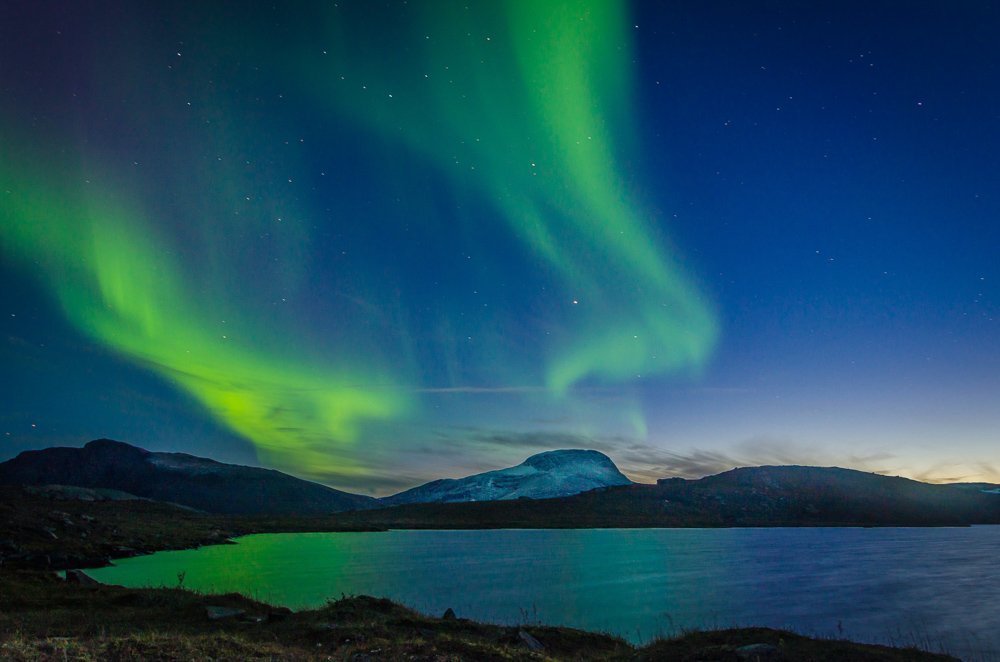
Abisko National Park, located about 200 kilometers north of the Arctic Circle, is one of Sweden's most famous national parks and a dream destination for outdoor enthusiasts. This is one of the best places in the world to see the northern lights. Thanks to the area's relatively dry climate and frequent clear skies, visitors from around the world travel to Abisko in the winter for a chance to see the spectacular Aurora Borealis dancing across the night sky. Chasing the northern lights requires stepping out into the cold, staying up late, and embracing uncertainty, making this a fun darecation idea.
It's a completely different experience in the summer. This is when the midnight sun provides nearly continuous daylight, creating ideal conditions for hiking and exploring the surrounding wilderness while the temperatures stay pretty moderate, so it’s ideal for a coolcation. In either season, it’s a landscape that feels completely outside of normal time.
Abisko is also the northern starting point of the famous Kungsleden (King's Trail), one of Scandinavia's most celebrated long-distance hiking routes. The trail stretches through some of Sweden's most spectacular mountain landscapes and attracts hikers from around the world.
The park's varied terrain includes mountain valleys, birch forests, alpine meadows, and the striking Abisko Canyon, carved by the Abiskojåkka River. This is a great place to go if you’re someone who seeks out ethereal places. Visitors may spot wildlife such as moose, reindeer, Arctic foxes, and a variety of bird species, especially during the summer season.
Abisko is a year-round destination, but the best time to visit depends on the experience you're looking for. Winter is ideal for northern lights viewing, dog sledding, and cross-country skiing, while summer offers hiking, wildlife watching, and the unique opportunity to experience the Midnight Sun. Autumn brings colorful tundra landscapes, and spring is popular among ski touring enthusiasts.
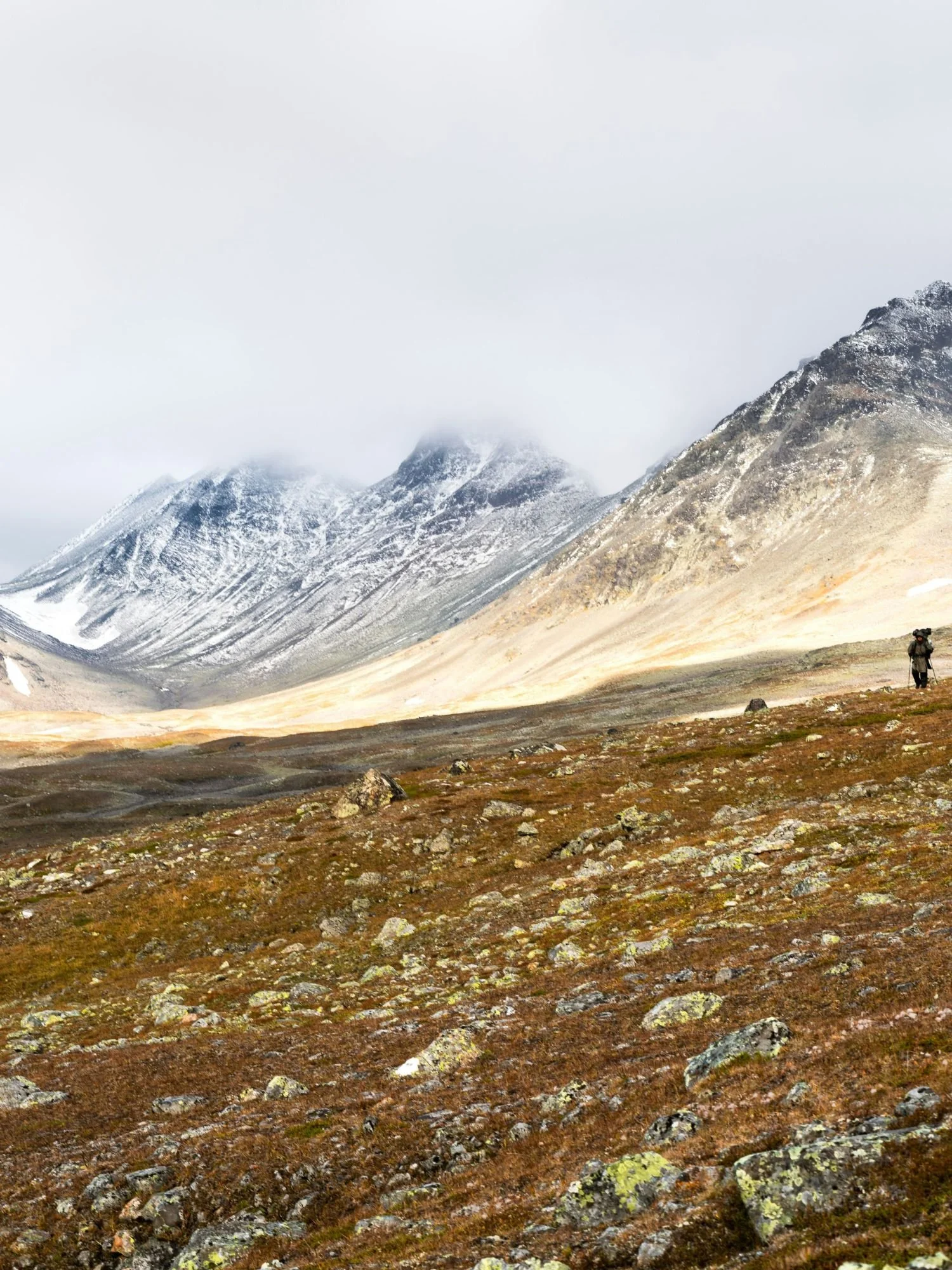
Sarek National Park
Sarek National Park
Sarek National Park, in the mountainous region of Jokkmokk, is often described as one of Europe’s last true wilderness areas. Unlike many other national parks in Sweden, Sarek has no marked trails, no huts, and very limited infrastructure. This makes it a destination for experienced hikers and adventurers seeking complete immersion in untouched nature.
The landscape in Sarek is dramatic and raw, with over 100 glaciers shaping its valleys and feeding its powerful river systems. The Rapa River delta, with its intricate network of waterways and green floodplains, is one of the most iconic sights in the park and a favorite of photographers.
Because it’s so remote, visiting Sarek requires careful planning, good navigation skills, and experience in mountain terrain. There are no marked paths to guide hikers, and weather conditions can change rapidly. This is a place to experience a rare sense of solitude and a landscape that feels largely unchanged since the last Ice Age.
Wildlife in the park includes reindeer, moose, wolverines, Arctic foxes, and golden eagles. While wildlife sightings require patience and luck, the absence of human infrastructure increases your chances.
The best time to visit Sarek is in the summer from July through September, when rivers are easier to cross and snow has melted from most valleys. Even then, conditions remain challenging, and proper preparation is crucial. It’s typically only highly experienced expedition travelers who visit in winter.
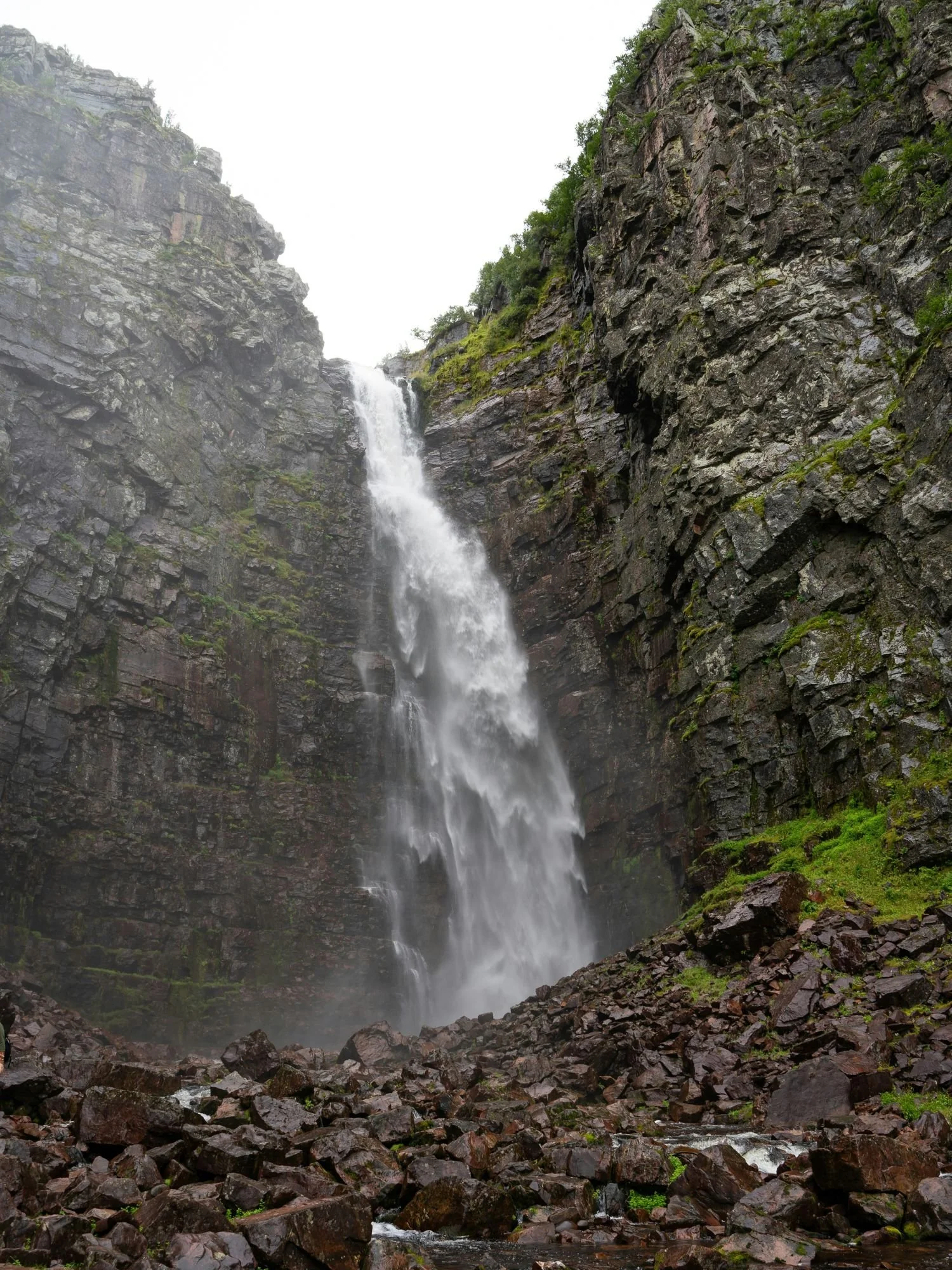
Fulufjället National Park
Fulufjället National Park
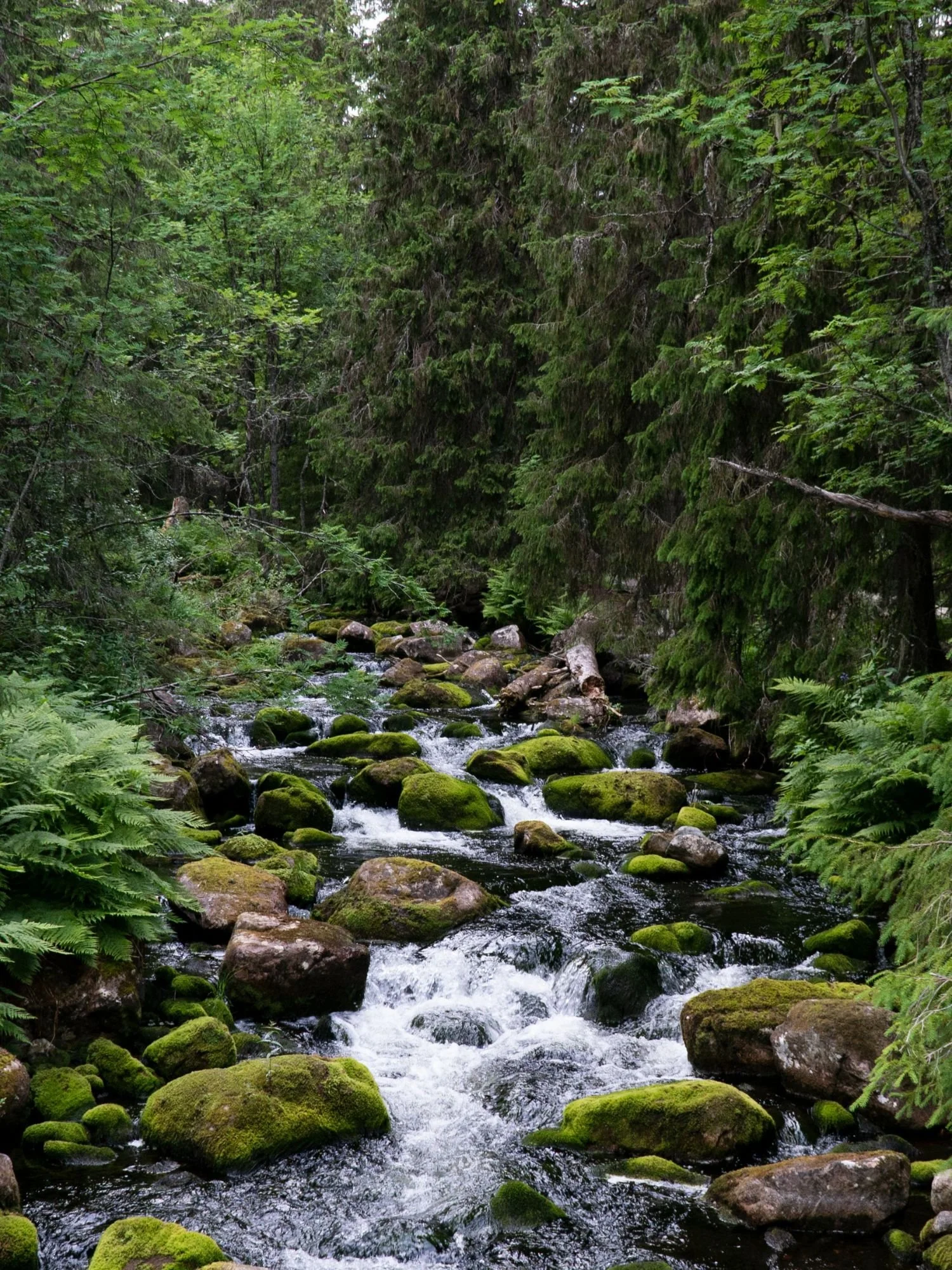
Fulufjället National Park in Dalarna is part of the Scandinavian mountain range that’s far more accessible than many of Sweden’s northern wilderness areas, making it an excellent choice for families and less experienced hikers.
One of the park’s most famous attractions is Njupeskär, Sweden’s highest waterfall. The water plunges approximately 93 meters from a cliff surrounded by rugged terrain and forested slopes. There’s well-maintained trail and boardwalk system leading to the waterfall.
Fulufjället is also home to one of the world’s oldest known trees, the spruce nicknamed Old Tjikko, estimated to be almost ten thousand years old. This remarkable tree has survived by regenerating its root system over time.
The landscape in the park is characterized by high plateaus, rocky terrain, and sparse mountain birch forests. Well-marked trails and visitor infrastructure make it suitable for day trips as well as longer hikes. Wildlife in the area includes moose, lynx, wolverines, and a variety of bird species.
Fulufjället is a year-round destination, though summer and early autumn are the most popular times to visit for the best weather conditions. In winter, the park is popular for cross-country skiing and snowshoeing.
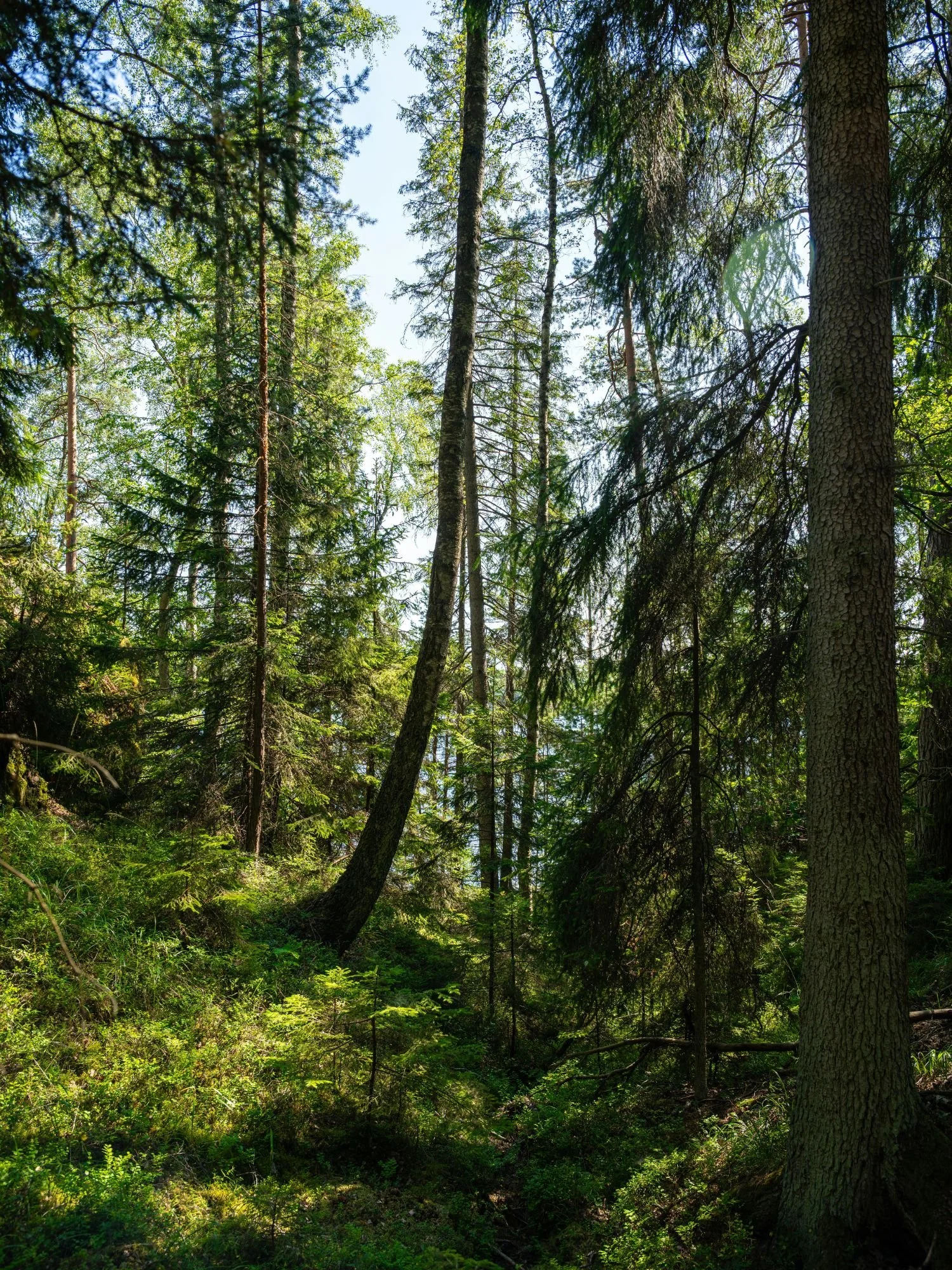
Skuleskogen National Park
Skuleskogen National Park
Skuleskogen National Park, a UNESCO World Heritage Site on Sweden’s Höga Kusten (High Coast), sits where land is still rising from the sea after the last Ice Age, creating a constantly evolving landscape of cliffs, bays, and forested hills.
The park’s most famous landmark is Slåttdalsskrevan, a deep, narrow crevice in Slåttdalsberget that visitors can walk through. This natural formation is one of the most photographed spots in the park, along with sweeping views over the Baltic Sea and the surrounding archipelago from nearby viewpoints.
Skuleskogen has plenty of well-marked hiking trails with several desginated entry points that range from short, accessible walks to more demanding routes through hilly terrain. The landscape includes old-growth forest, moss-covered boulders, and steep ridges that reflect the park’s glacial past.
Wildlife in the area includes moose, roe deer, foxes, and a variety of bird species. You might also spot seals in nearby bays and inlets along the coast.
The best time to visit Skuleskogen is late spring to early autumn, when hiking conditions are best and the trails are fully accessible. Autumn is especially nice, with colorful foliage enhancing the scenery.
Tyresta National Park
Tyresta National Park
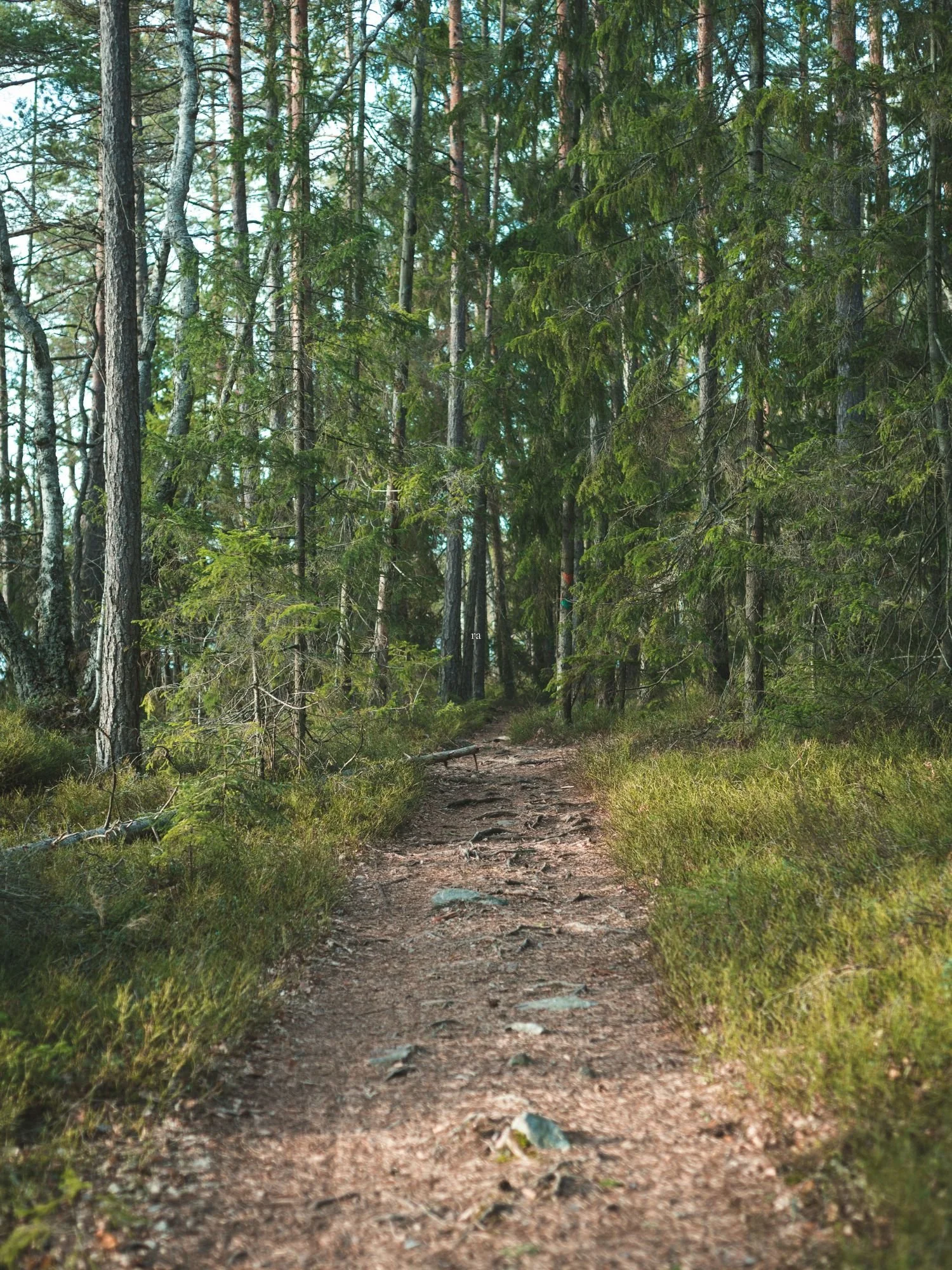
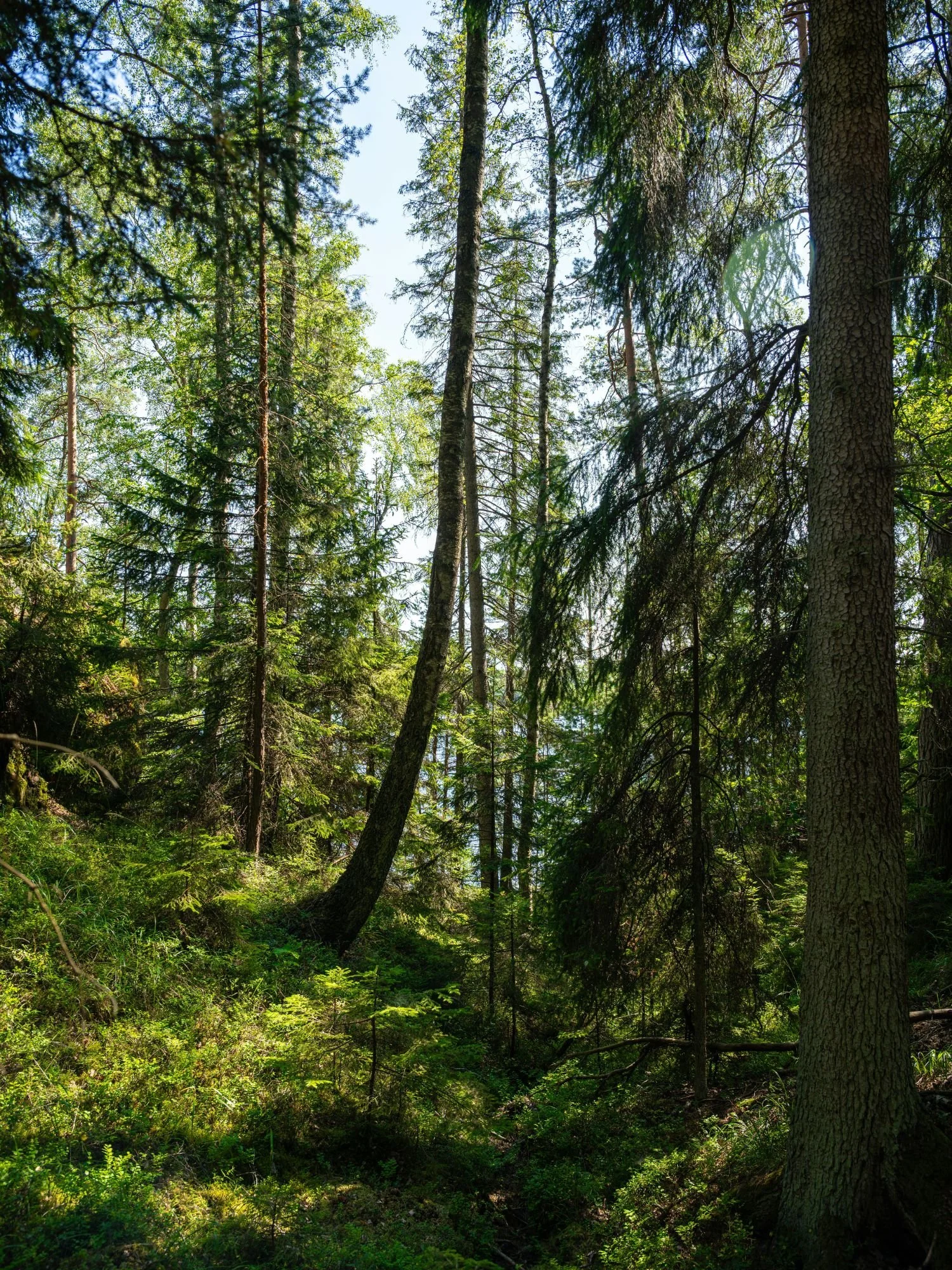
Tyresta National Park is close enough to Stockholm that it’s suitable as a day trip from there. It is a popular destination for locals and tourists looking to get out of the city and immerse themselves in nature for a while. The nearby visitor center provides information about the area's natural and cultural history, as well as maps and guidance for exploring the trails.
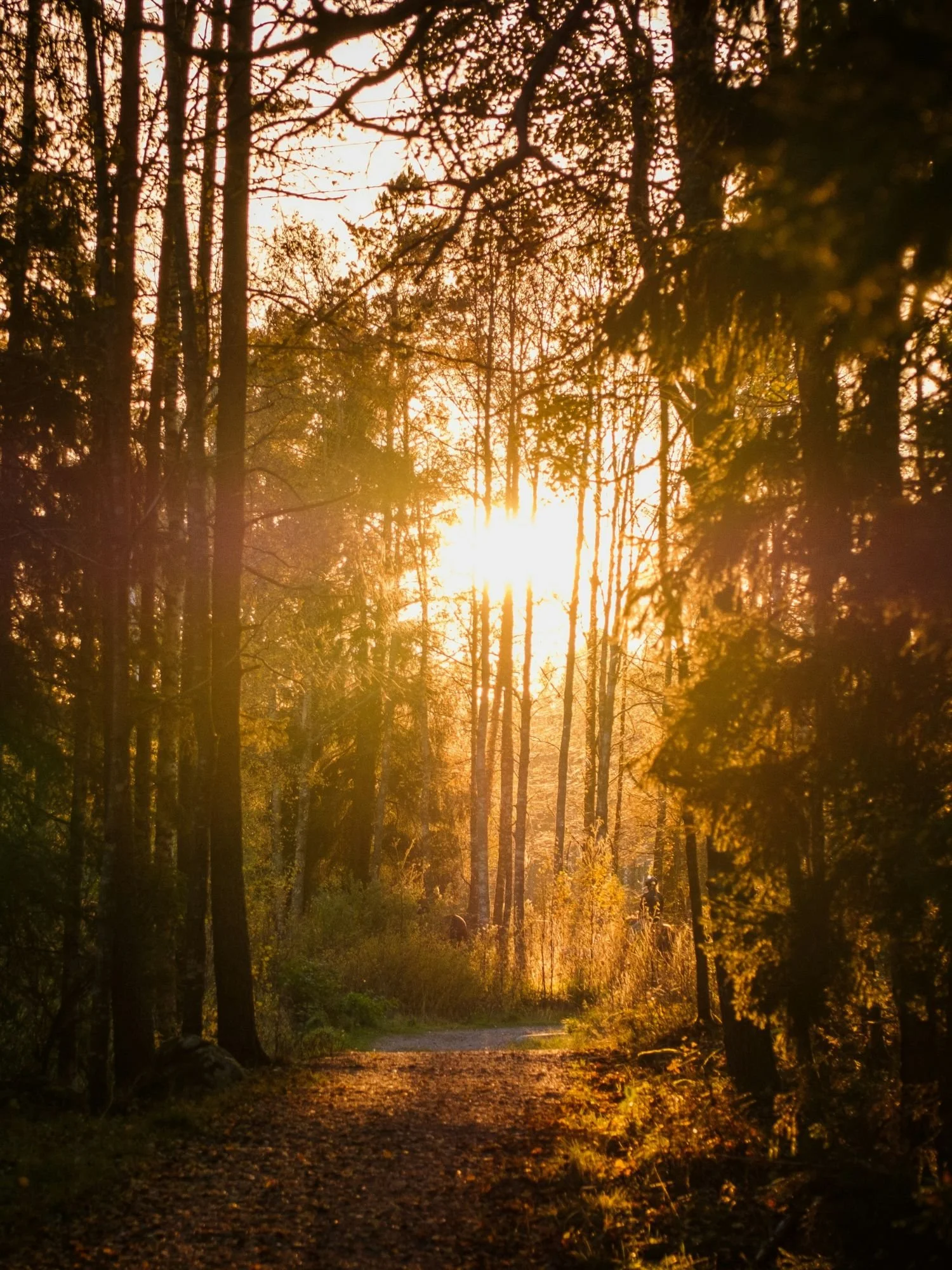
The park is best known for its old-growth forest with towering pine trees. There’s a well-developed network of hiking trails suitable for all experience levels. Short walks lead to scenic viewpoints and lakes, while longer routes allow hikers to explore deeper into the forest.
Tyresta National Park
The park is also rich in wildlife. Moose, roe deer, foxes, badgers, and numerous bird species inhabit the area, although sightings often require patience and a bit of luck. The varied habitats of forests, wetlands, and lakes support a diverse ecosystem throughout the year.
Tyresta National Park can be enjoyed year-round. It’s green and full of active wildlife in spring and summer, autumn transforms the forest into a mosaic of vibrant colors, and winter offers peaceful snow-covered landscapes ideal for quiet walks.
Click here for additional ideas for day trips from Stockholm!

Tiveden National Park
Tiveden National Park
Tiveden National Park, located between Lake Vänern and Lake Vättern, is known for its dense forests, dramatic rock formations, and crystal-clear lakes that have inspired legends and folklore for centuries. Massive boulders, deep crevices, and rugged terrain shaped by geological forces during and after the last Ice Age are scattered throughout the forest.
Tiveden has a network of well-marked trails that range from peaceful forest paths to more challenging routes across rocky terrain, some of them winding through narrow passages between giant rocks with spectacular views over the surrounding wilderness. One of the most popular hikes leads to Vitsand, a beautiful sandy beach on the shores of Lake Trehörningen, where visitors can relax, swim, and enjoy a picnic.
The park's forests are home to a variety of wildlife, including moose, roe deer, foxes, and numerous bird species. The lakes and wetlands within the park contribute to its rich biodiversity and provide excellent opportunities for wildlife observation. Visitors can also enjoy activities such as kayaking, canoeing, swimming, and photography.
Tiveden National Park is beautiful throughout the year. Summer is good for hiking and swimming, autumn is good for colorful photos, and winter is snowy and quiet.
Abisko National Park
Kosterhavet National Park
Kosterhavet National Park, off the west coast of Sweden near the border with Norway, protects one of the country's most unique and biologically rich marine environments. It was established in 2009 as Sweden's first marine national park and remains the largest protected marine area in the country.
The park encompasses a diverse underwater landscape of deep channels, coral reefs, seagrass meadows, and rocky seabeds. The area is home to thousands of marine species, making the park one of the most biodiverse marine environments in northern Europe. Wildlife enthusiasts may spot seals, seabirds, and a variety of fish species.
Visitors can explore this underwater world through activities such as snorkeling, kayaking, boat tours, and diving. Those who prefer to stay on land can enjoy spectacular coastal scenery, with an abundance of plant and animal life. and learn about the marine ecosystem through visitor centers and guided excursions.
The best time to visit is late spring through early autumn, when boat services, outdoor activities, and visitor facilities are operating at full capacity. Summer is especially popular, when the charming villages on the Koster Islands attract lots of visitors.
Fulufjället National Park
Stenshuvud National Park
Stenshuvud National Park, on Sweden’s southeastern coast in Skåne, is centered around Stenshuvud, a distinctive hill that rises above the surrounding countryside with spectacular views of the Baltic Sea.
Despite covering only a few square kilometers, Stenshuvud contains an extraordinary diversity of habitats, including deciduous forests, sandy beaches, coastal meadows, wetlands, and rocky shorelines. This variety of environments supports a rich array of plant and animal species.
One of the highlights of the park is the hike to the summit of Stenshuvud. Several well-marked trails lead through ancient woodland before reaching viewpoints with panoramic views that stretch far across the Baltic Sea on clear days, making the climb well worth the effort.
The park is especially popular in spring and summer, when wildflowers bloom, migratory birds return, and visitors can combine hiking with a visit to the beach. The forests and meadows are home to deer, foxes, and a variety of smaller animals.
A visit to Stenshuvud can be a day trip from one of the cities in the area, such as Kristianstad or Ystad, or part of a longer exploration of Skåne. Click here to learn more about things to do in Ystad!
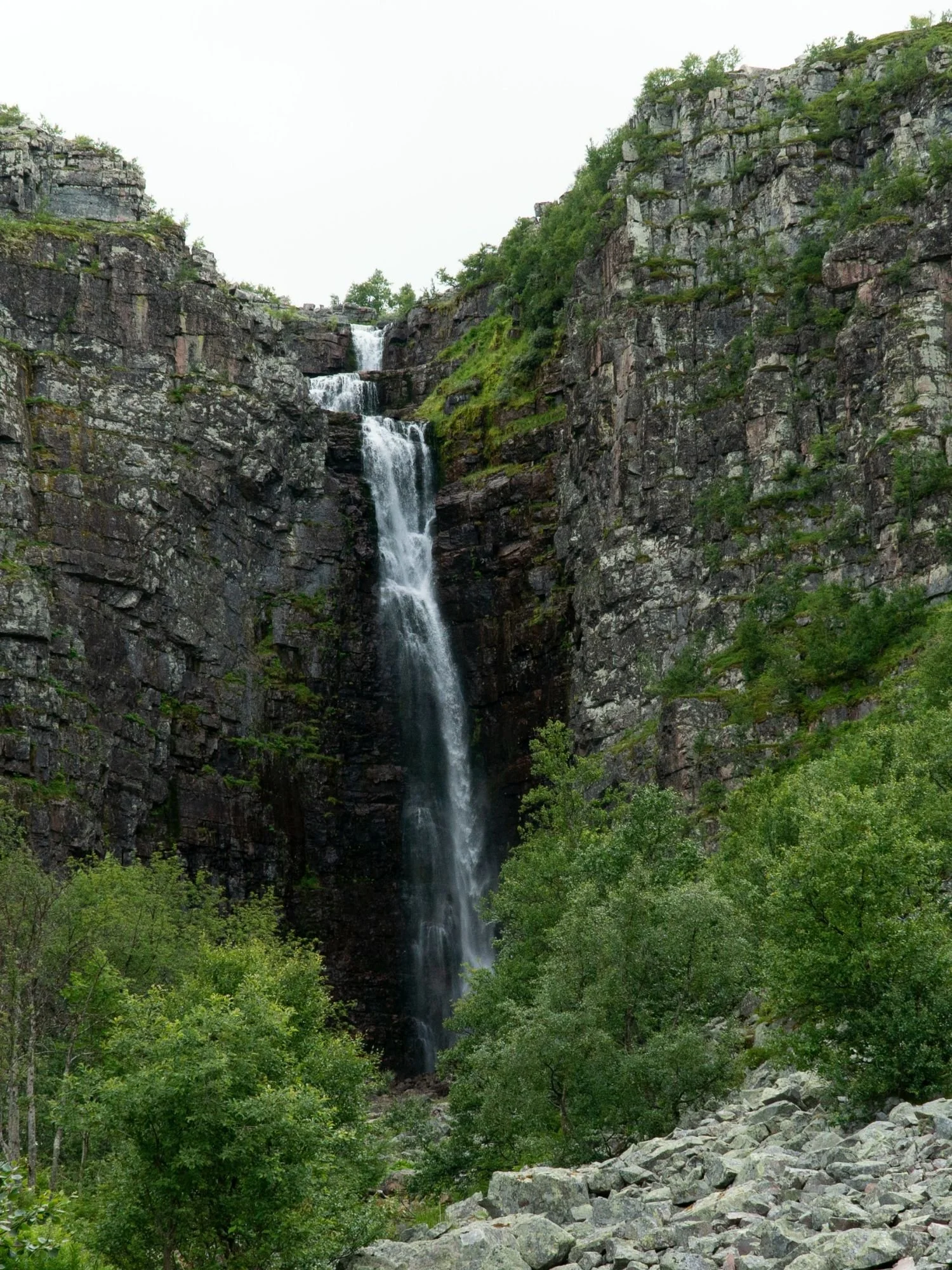
Fulufjället National Park
National parks by region
If you're planning a trip to Sweden, choosing a national park based on the region you're visiting can help you make the most of your itinerary.
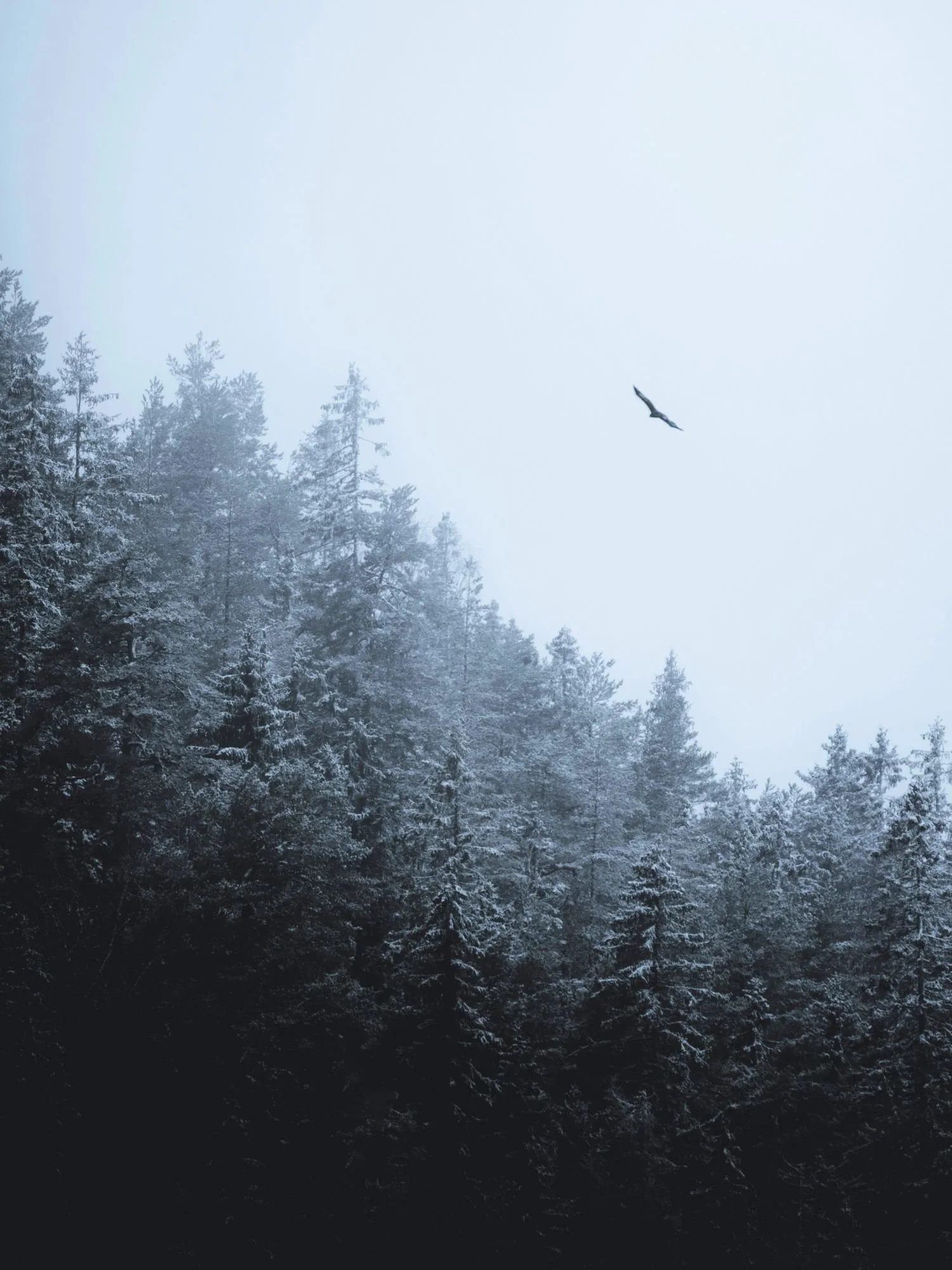
Northern Sweden
Northern Sweden is characterized by vast mountain ranges, glaciers, tundra, and expansive wilderness areas that attract hikers, photographers, and adventure travelers from around the world. This is the place for rugged landscapes, multi-day hikes, wildlife encounters, and Arctic experiences.
The most famous parks in the north are Abisko National Park and Sarek National Park. Abisko is known for northern lights viewing, midnight sun, and access to the Kungsleden hiking trail, and Sarek offers a true wilderness experience. Other notable parks in the region include Stora Sjöfallet National Park, Padjelanta National Park, and Muddus National Park.
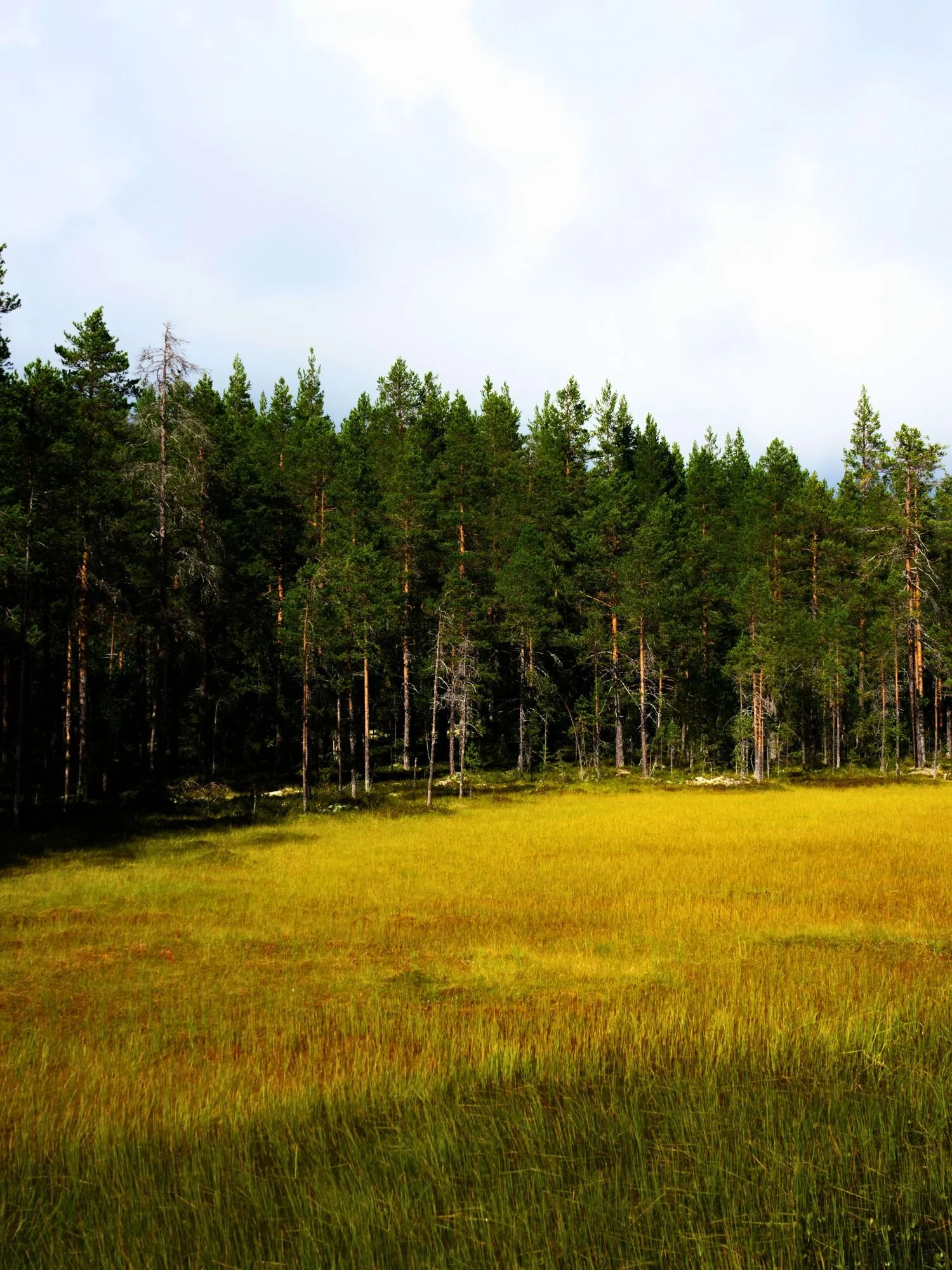
Hamra National Park
Central Sweden
Central Sweden offers a diverse mix of forests, mountains, lakes, and coastal scenery. Travel in this region is a great choice for those interested in hiking, scenic drives, waterfalls, and forest landscapes.
Highlights include Fulufjället National Park, famous for the Njupeskär waterfall and the ancient Old Tjikko spruce, and Skuleskogen National Park, which is part of the UNESCO-listed Höga Kusten region. Visitors can also explore parks such as Färnebofjärden National Park and Hamra National Park, both known for their forests, wetlands, and rich wildlife.
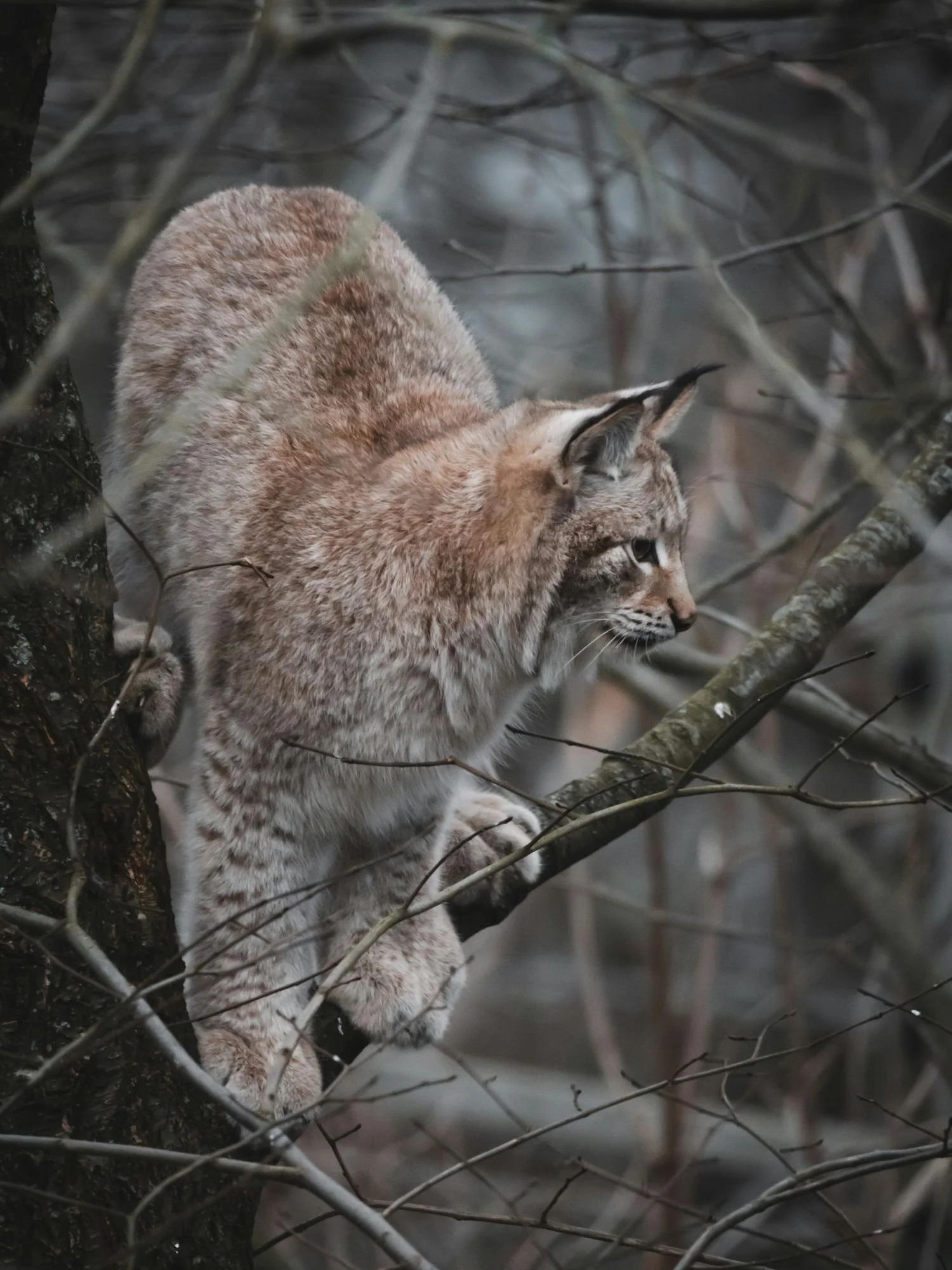
Southern Sweden
Southern Sweden's national parks tend to be smaller and more accessible, making them ideal for day trips and family-friendly outdoor adventures. Popular parks include Tyresta National Park near Stockholm, Tiveden National Park, Kosterhavet National Park, and Stenshuvud National Park. Other noteworthy destinations include Söderåsen National Park and Åsnen National Park.
Southern Sweden is a great destination for travelers seeking shorter hikes, wildlife watching, and trips that combine outdoor activities and visits to nearby cities.
Abisko National Park
Wildlife you may see in Sweden's national parks
While wildlife sightings can never be guaranteed, visitors who spend time exploring Sweden's national parks may encounter Swedish wildlife. The country is home to a wide range of animal species that thrive in its protected natural environments.
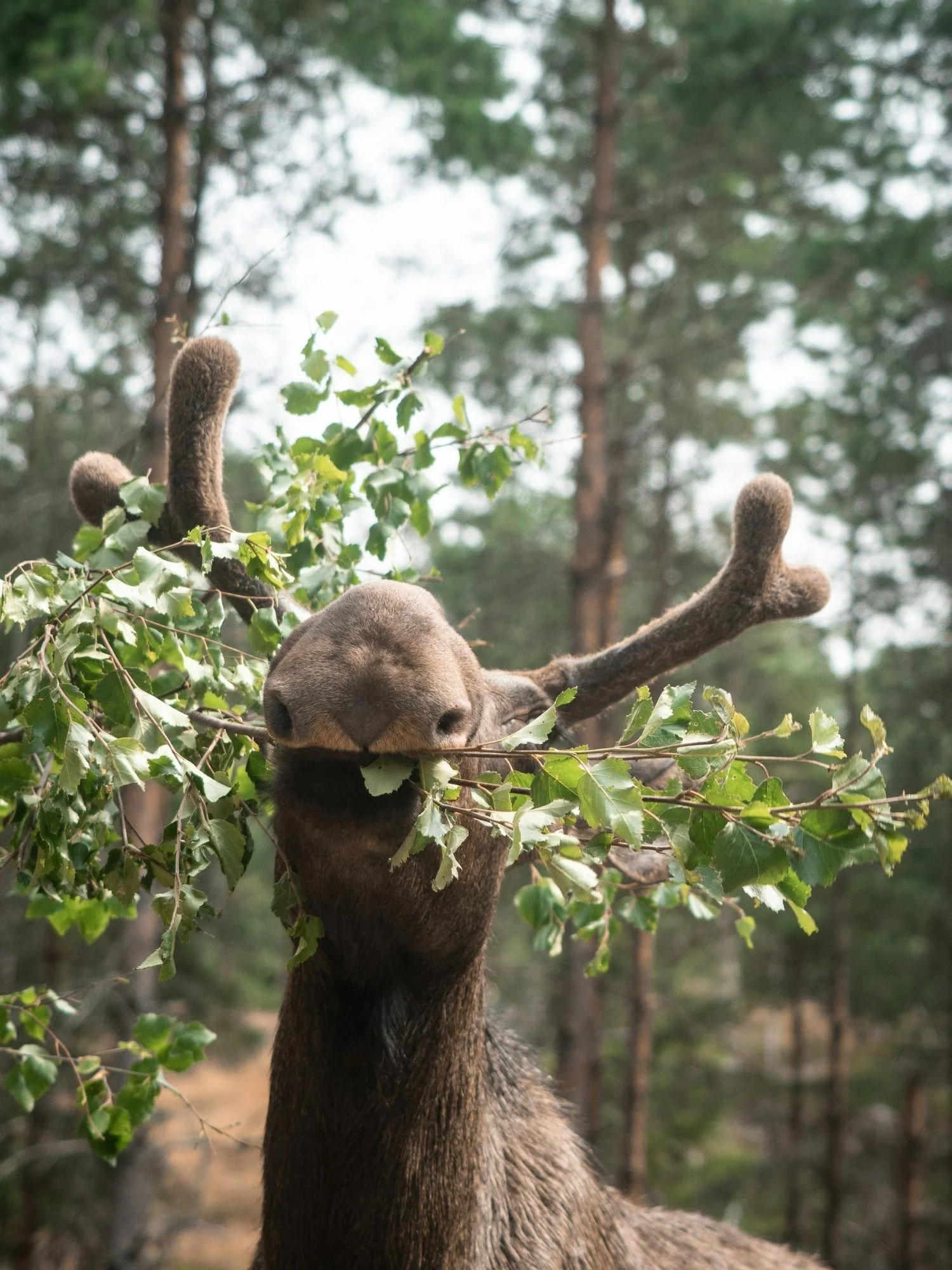
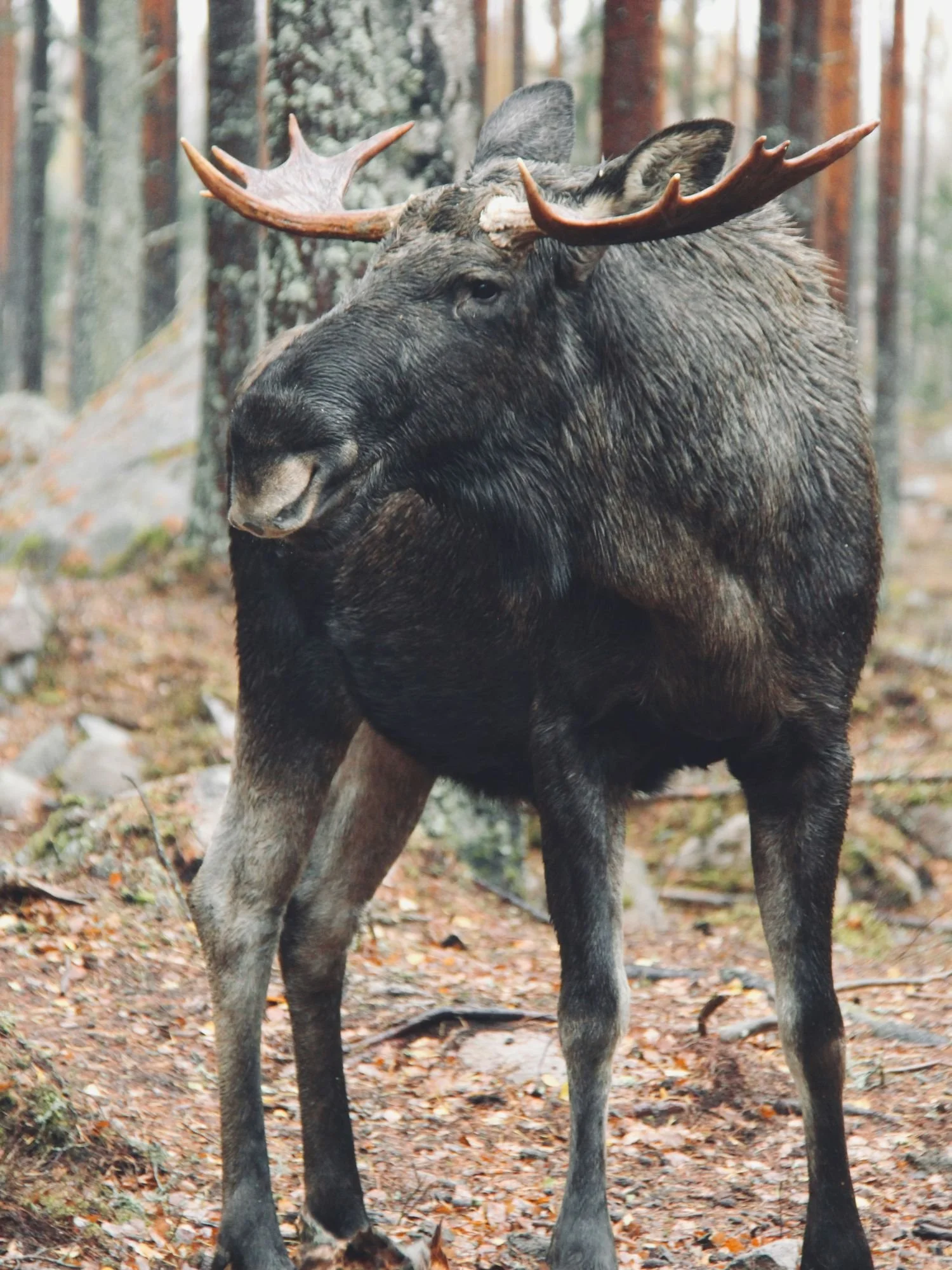
Moose
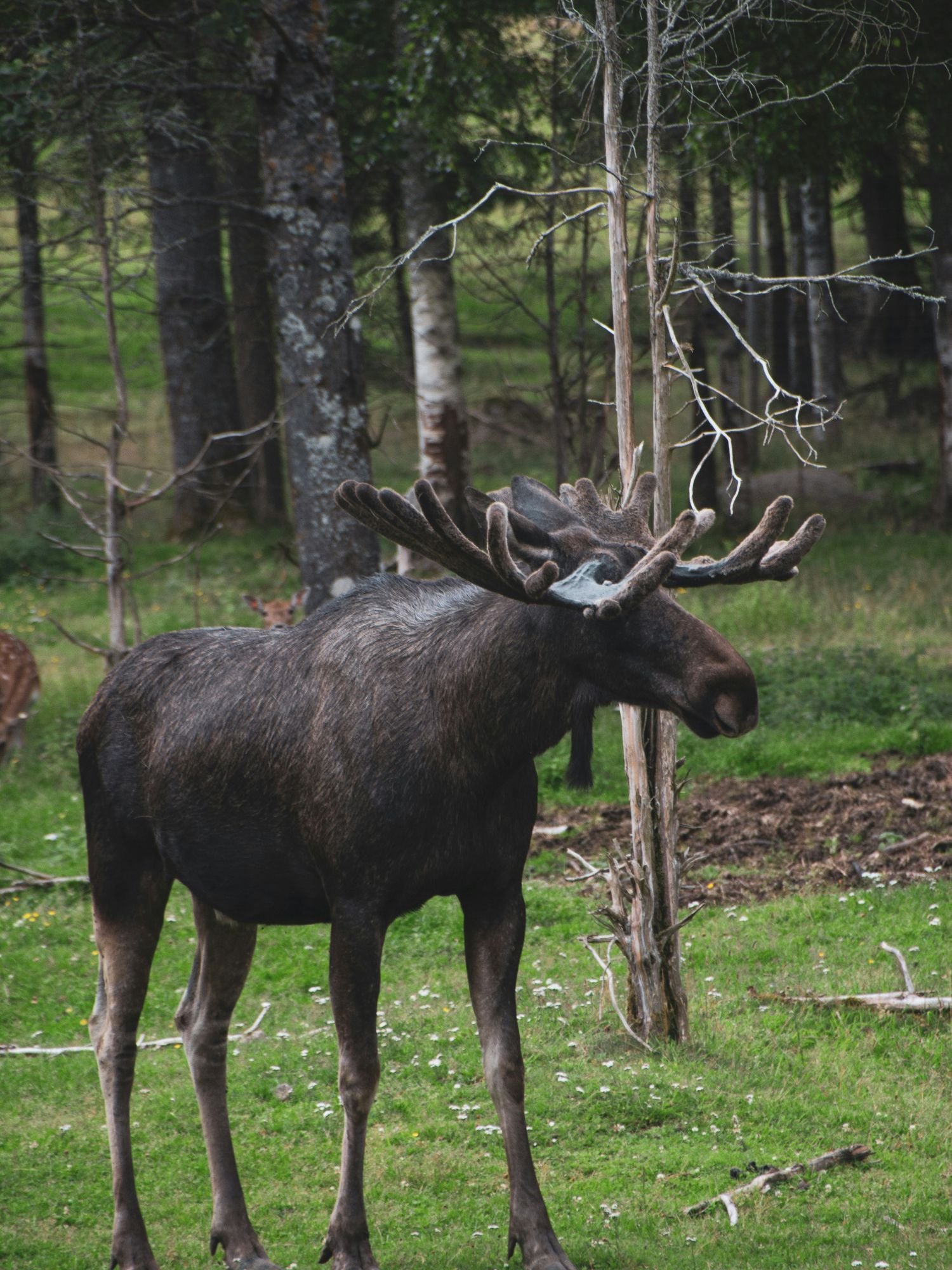
The moose might be Sweden's most famous animal. As the largest member of the deer family, a fully grown moose can stand over two meters tall at the shoulder. Moose are found throughout much of Sweden in forests, wetlands, and near lakes. They’re most active during the early morning and evening hours.
Sarek National Park
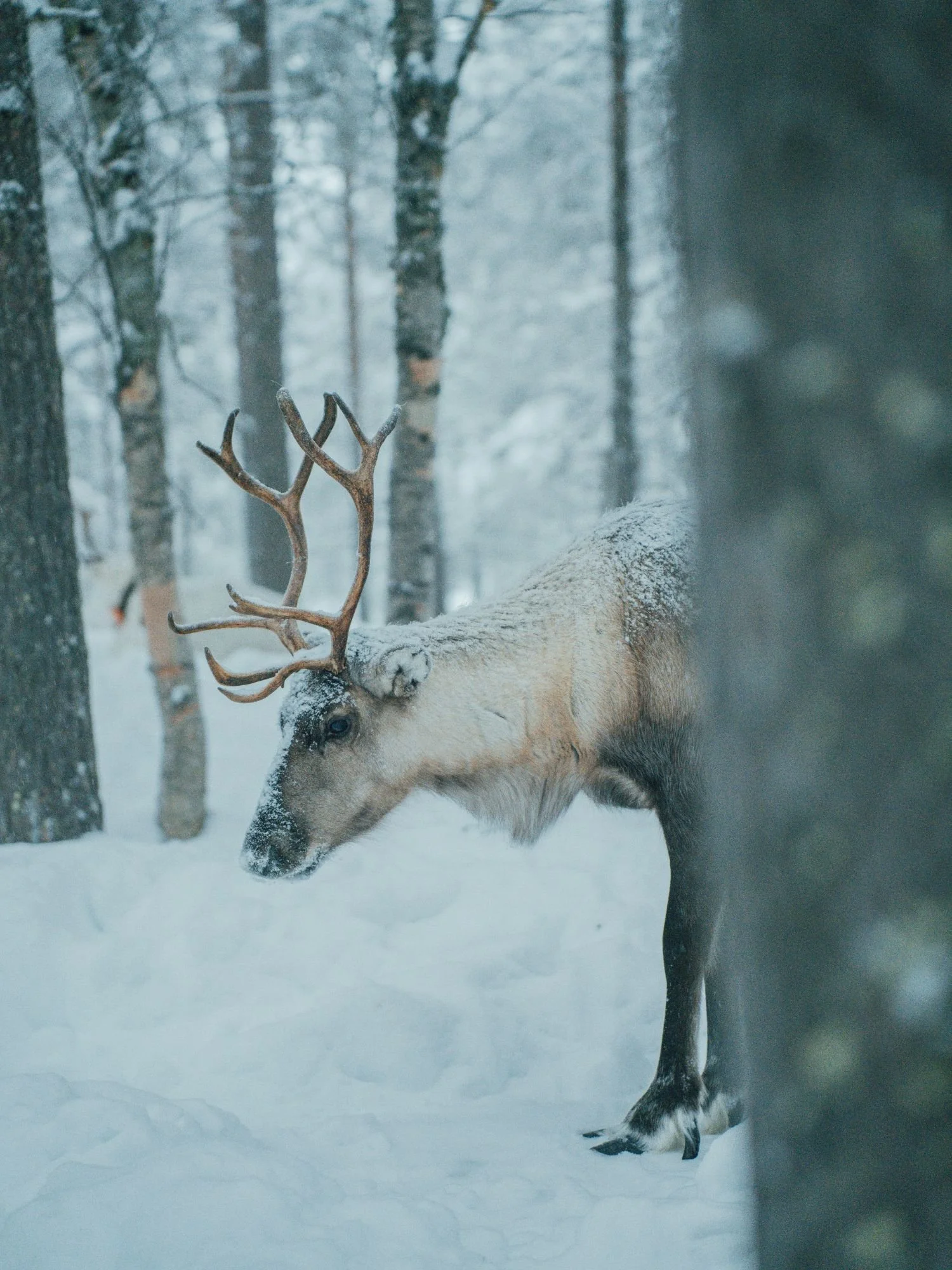
Reindeer
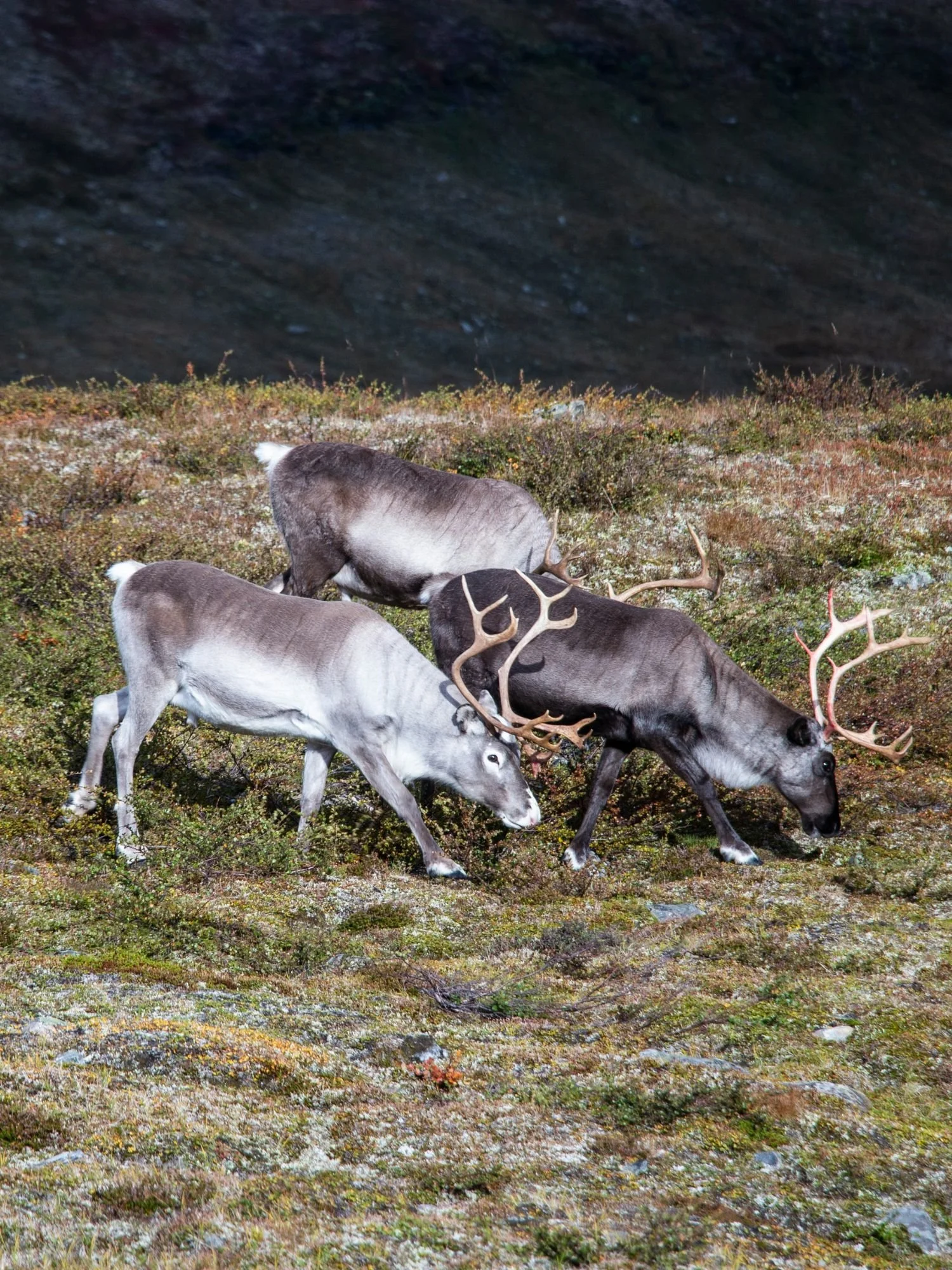
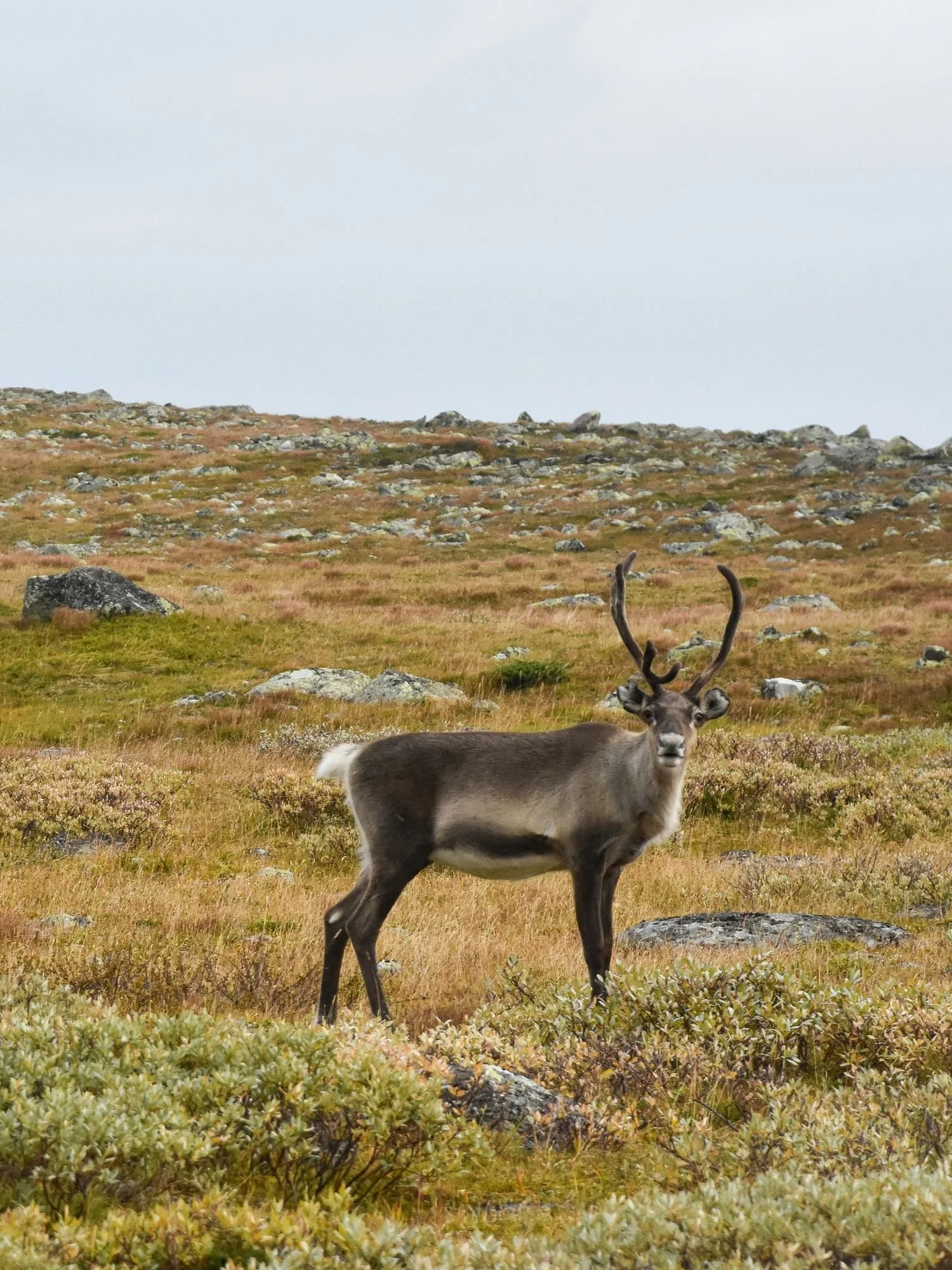
Reindeer are a familiar sight in northern Sweden. They’re often seen grazing in mountain valleys, tundra landscapes, and alongside roads. National parks such as Abisko, Sarek, and Padjelanta provide excellent opportunities to observe reindeer.
Arctic Fox
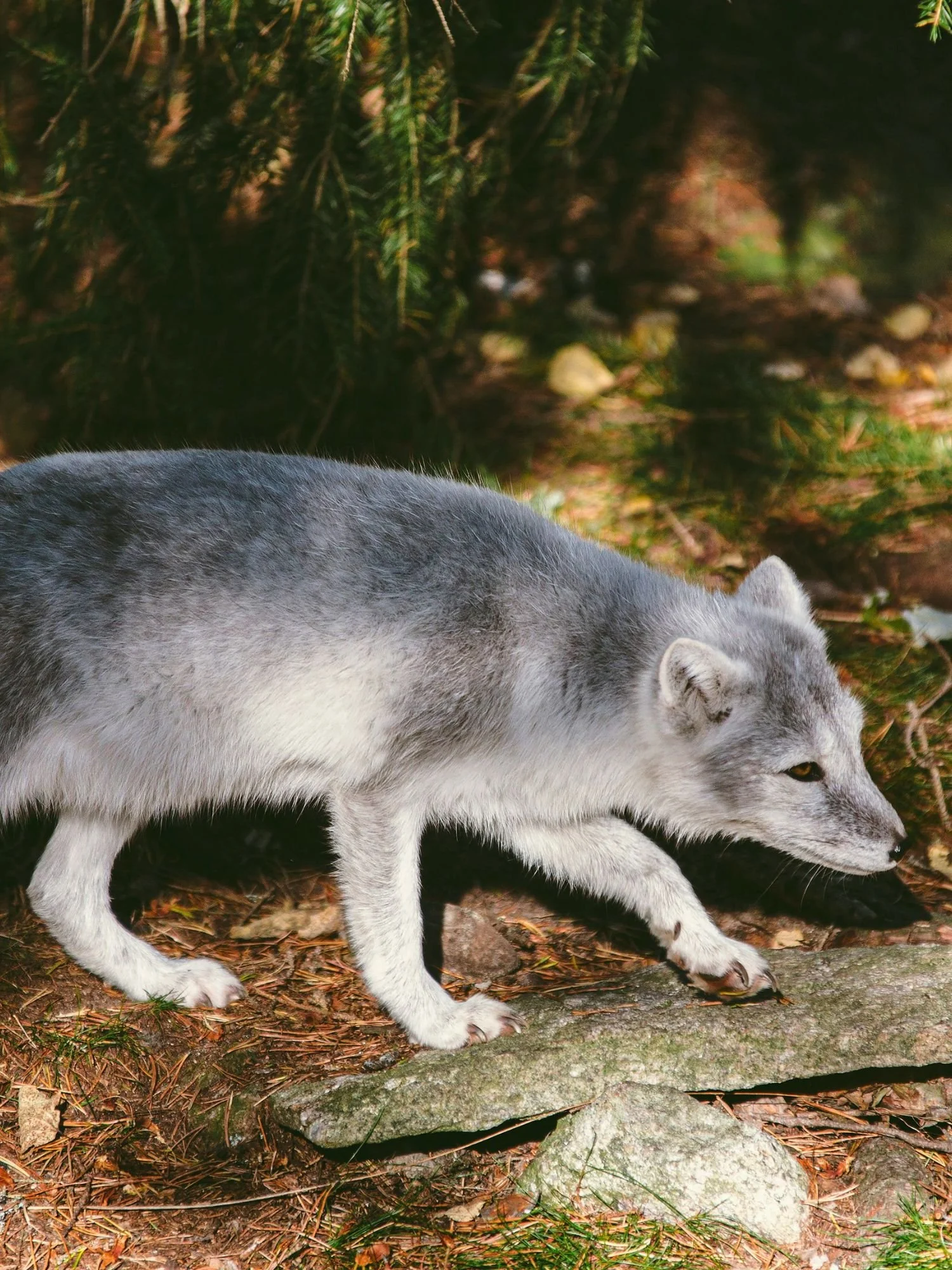
The Arctic fox inhabits remote mountain regions in the far north. Adapted to life in harsh Arctic conditions, this small predator changes color with the seasons, with a white coat in winter and a darker coat in summer. Although sightings are uncommon, visitors to northern mountain parks may be fortunate enough to spot one.
Brown bear
Sweden is home to one of Europe's largest populations of brown bears. These powerful animals live in forests in central and northern Sweden. They generally avoid human contact, making encounters rare.
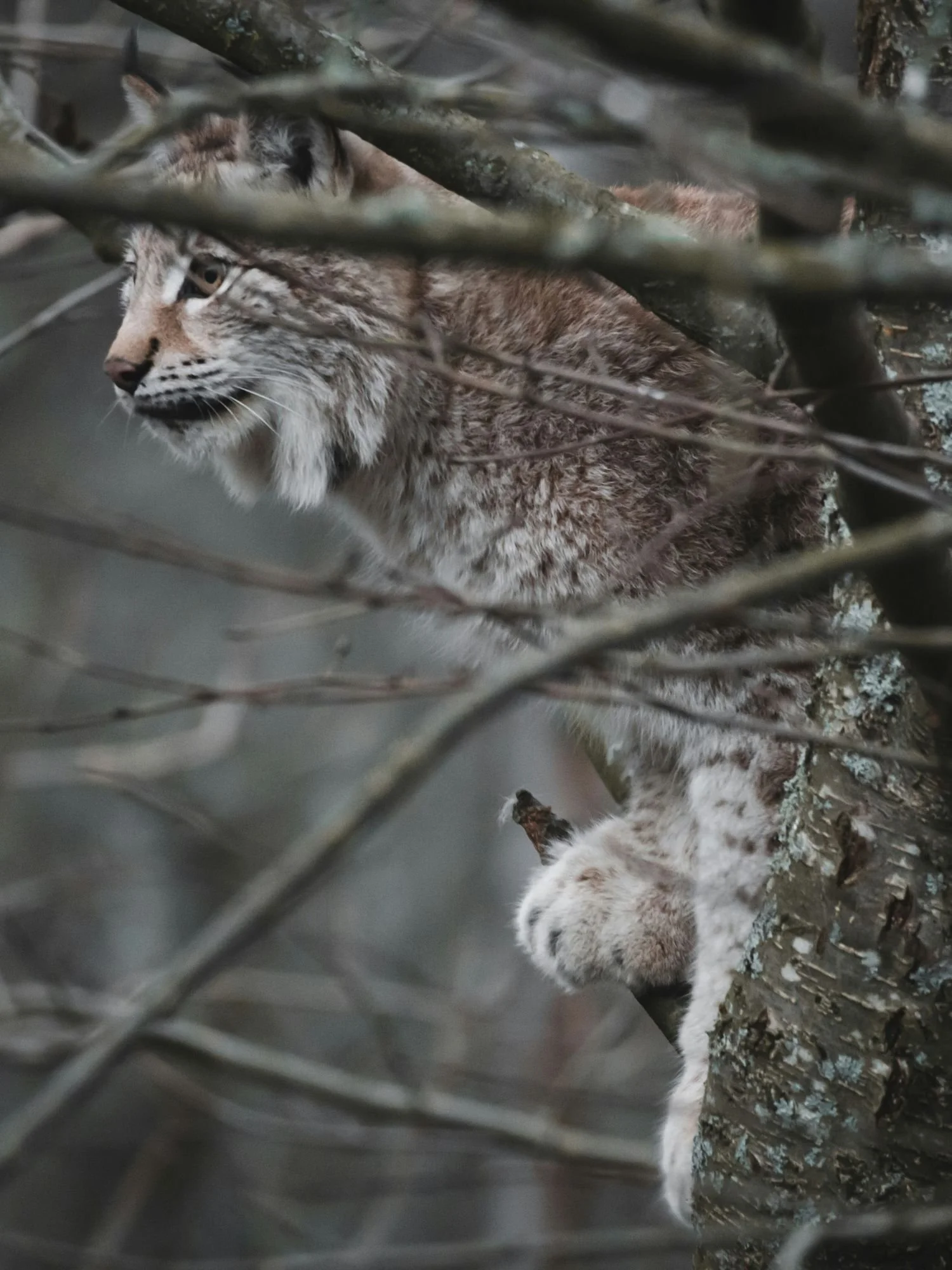
Wolverines and lynx
Wolverines are most commonly found in mountainous regions, while lynx inhabit forests throughout much of the country. Although sightings are unusual, these animals play an important role in Sweden's ecosystems.
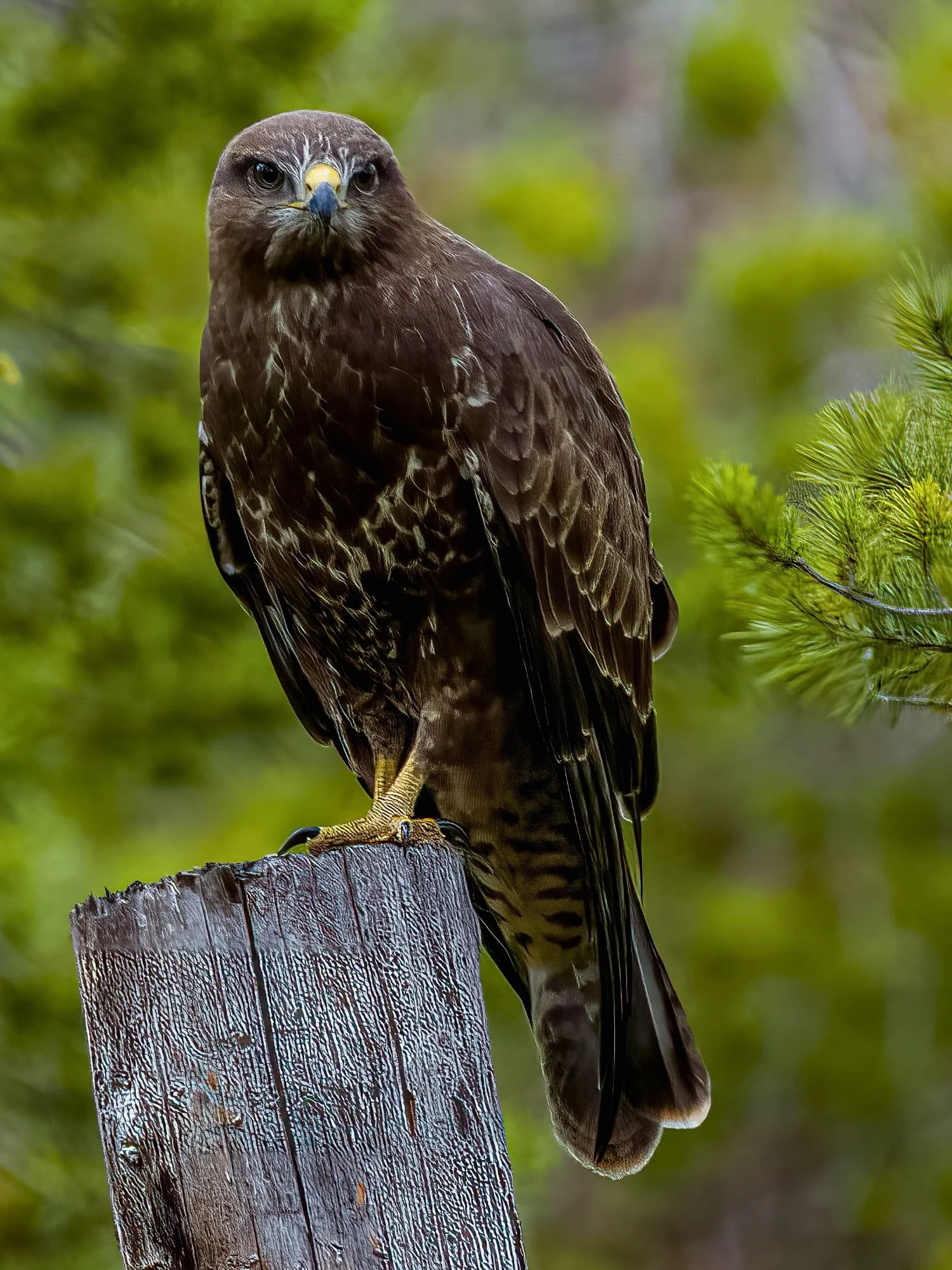
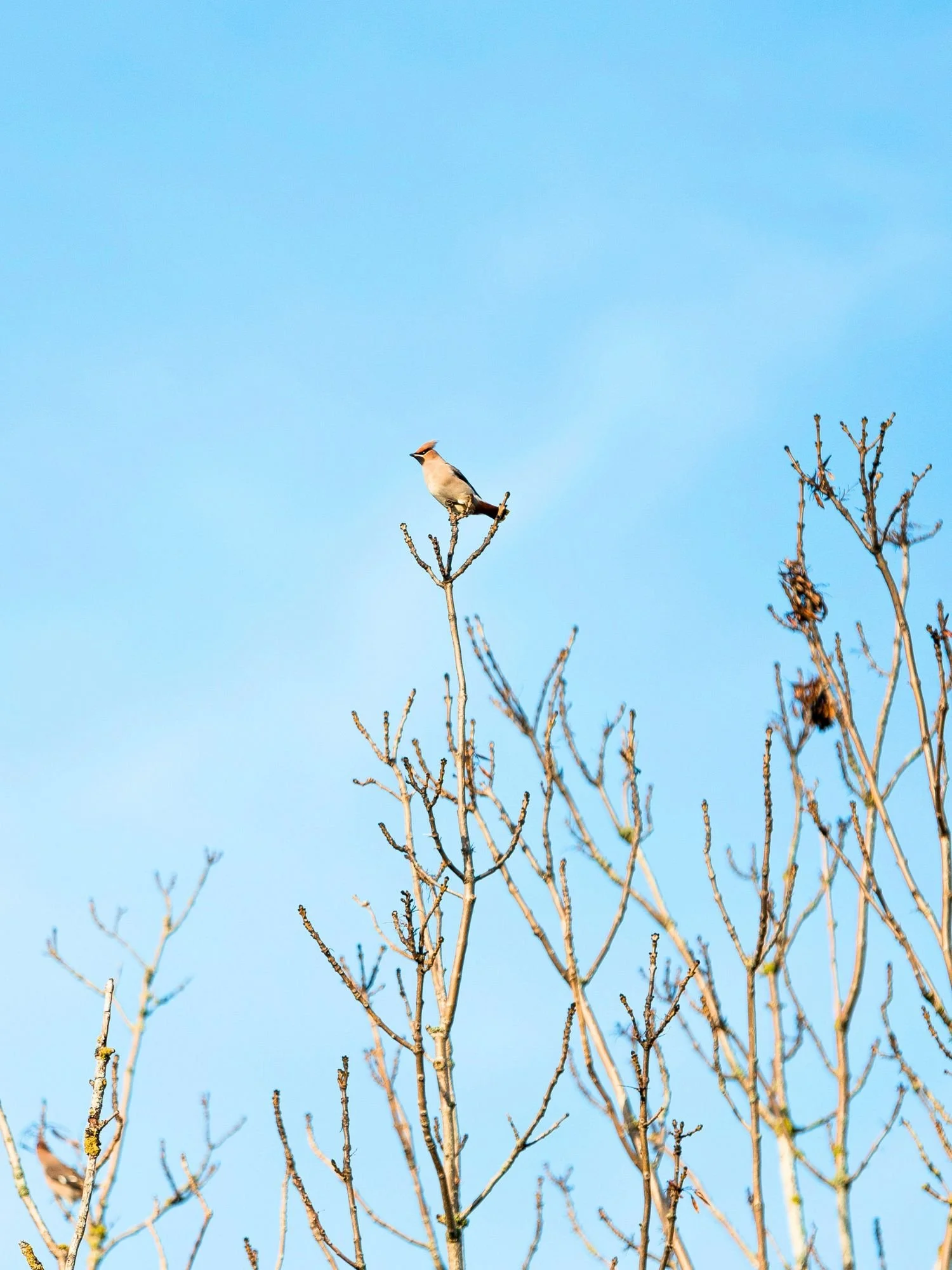
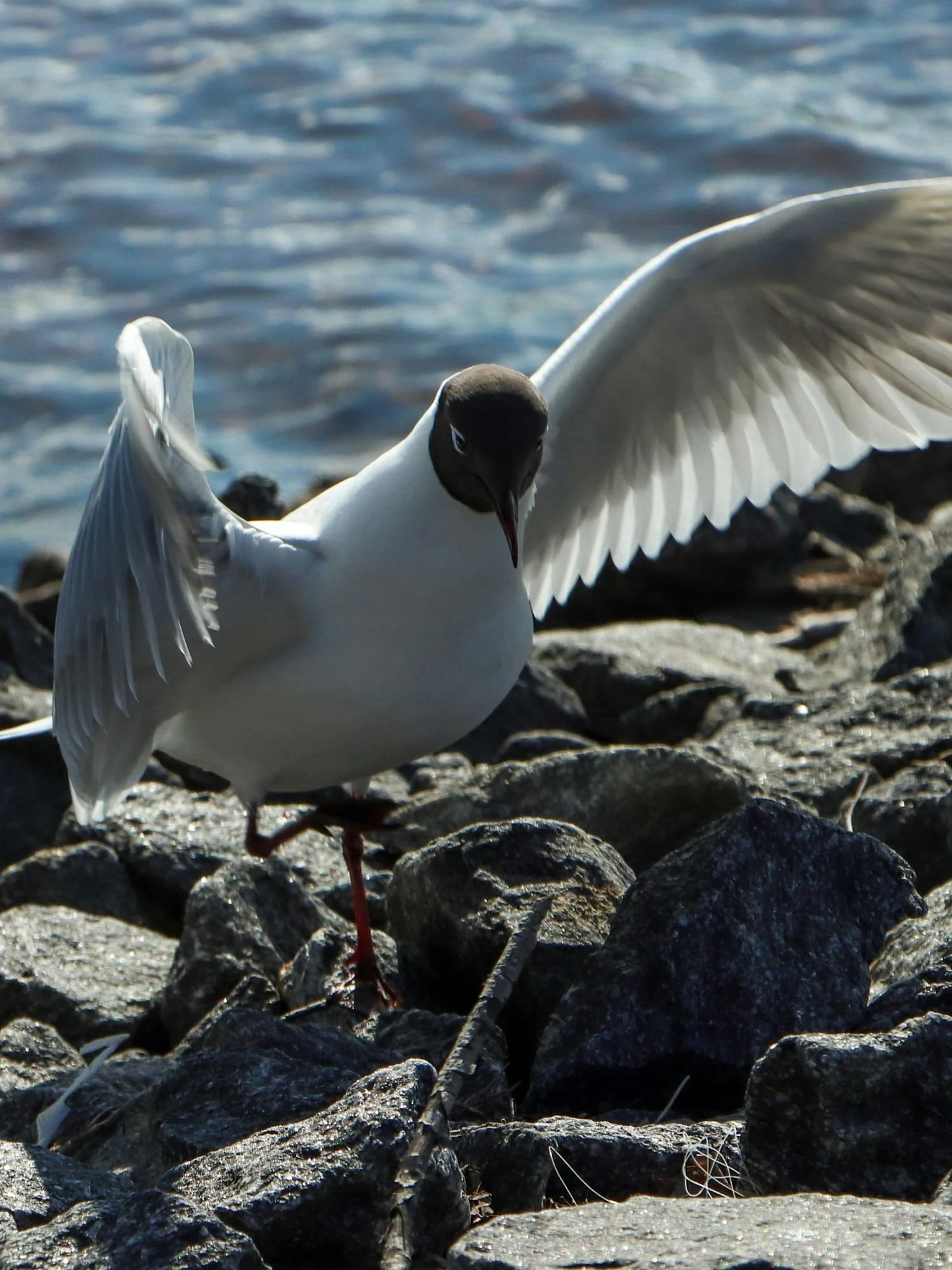
Golden eagles and other birds
Birdwatchers will find plenty to enjoy in Sweden's national parks. Golden eagles soar above mountain valleys, while owls, woodpeckers, cranes, and numerous migratory birds can be found across the country. Wetland parks and coastal areas are particularly popular among bird enthusiasts due to the variety of species they support.
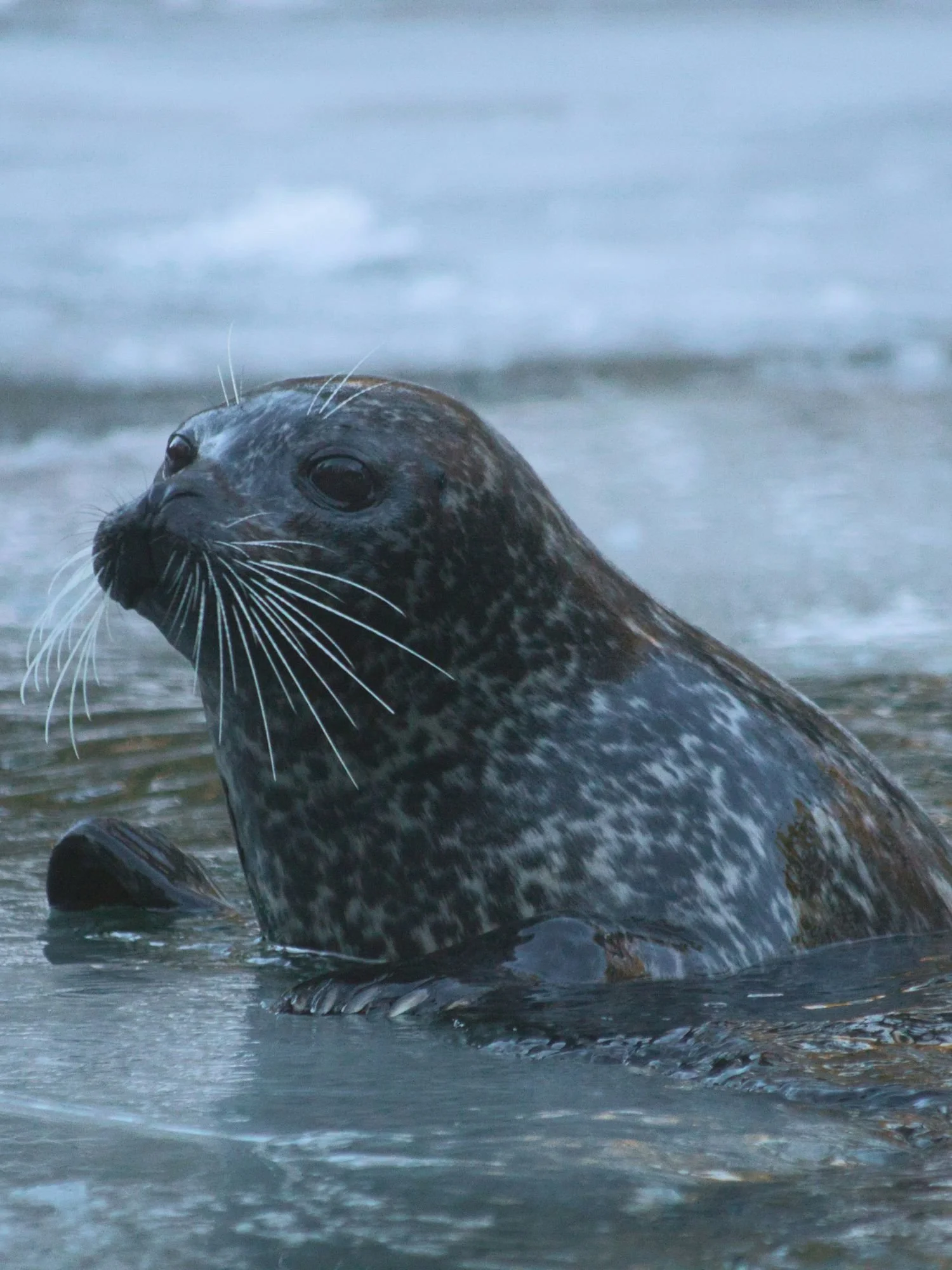
Seals and marine life
Visitors may spot seals resting on rocky islets or swimming in coastal waters in costal and marine parks. Sweden's marine ecosystems also support a rich variety of fish, crustaceans, and seabirds.
Wildlife watching tips
If you're hoping to see wildlife during your visit, patience and preparation are essential. Early mornings and evenings are often the best times for sightings, and moving quietly through nature can significantly improve your chances. Binoculars are highly recommended, especially for birdwatching and observing animals from a respectful distance.
Most importantly, remember that Sweden's national parks are protected areas. Wildlife should always be observed responsibly without disturbing animals or their habitats. By respecting nature and following park regulations, visitors can help ensure that Sweden's remarkable wildlife continues to thrive for generations to come.
Tips for visiting Sweden's national parks
To make the most of your visit, it's important to be prepared and to understand the traditions and regulations that help protect these parks.
Understand allemansrätten
One of the foundations of outdoor life in Sweden is allemansrätten, or the right of public access. This unique principle allows people to enjoy nature freely, including hiking, cycling, and spending time in the countryside. However, it also comes with responsibilities. Visitors are expected to respect wildlife, avoid damaging vegetation, and leave no trace of their visit. National parks may also have additional regulations designed to protect sensitive environments. Always check the specific rules for the park you plan to visit before your trip.
Check the weather forecast
Weather conditions can change quickly, especially in mountain regions and along the coast. Even in the summer, temperatures can vary significantly throughout the day. Before heading out, check the local forecast and bring clothing suitable for changing conditions, including waterproof layers and extra warm clothing.
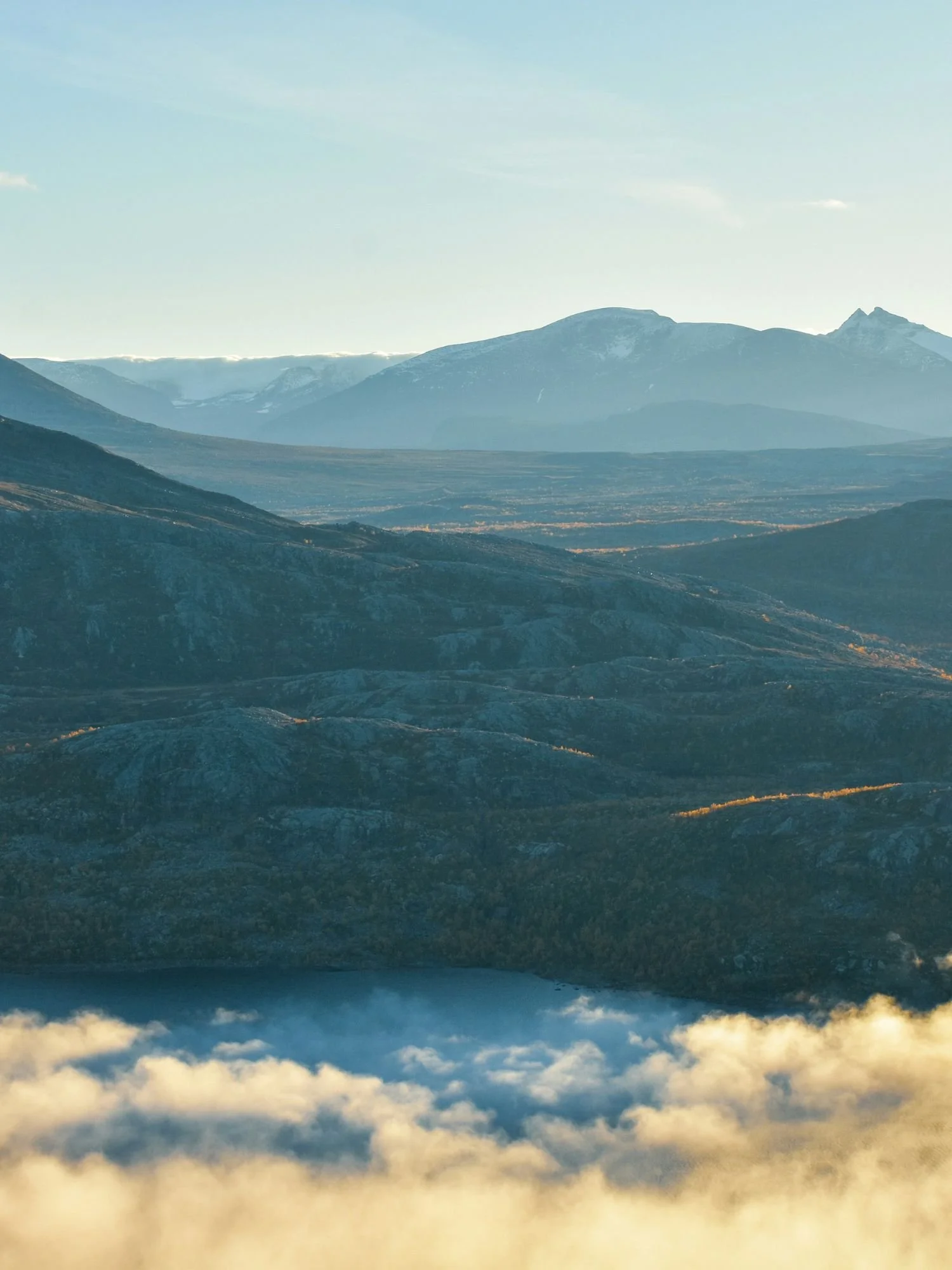
Stora Sjöfallet National Park
Wear appropriate footwear
Many national parks feature uneven terrain, rocky trails, wetlands, and forest paths. Sturdy hiking shoes or boots can make a significant difference in both comfort and safety. Even shorter trails may become slippery after rain.
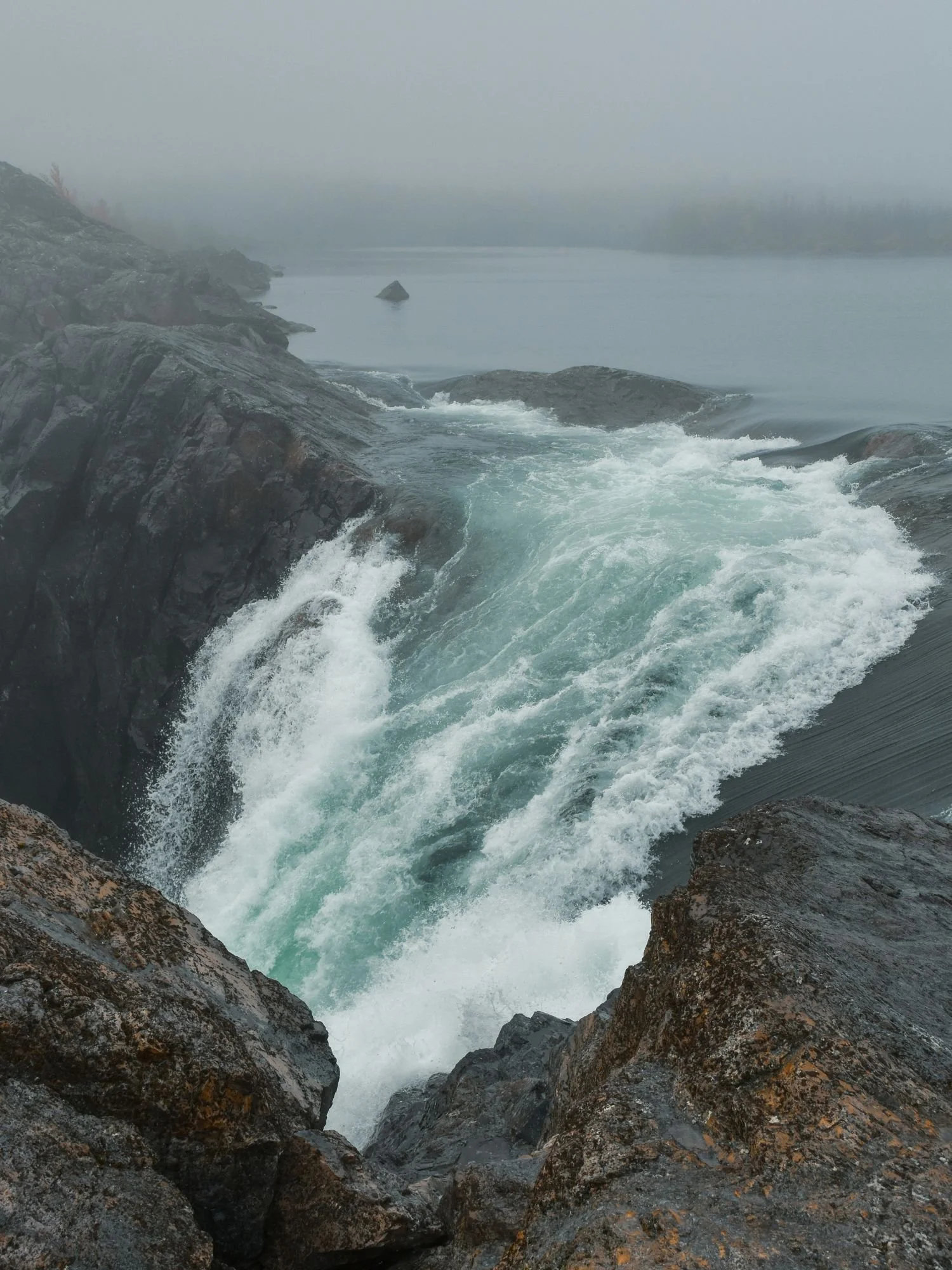
Stora Sjöfallet National Park
Bring food and water
Some parks have visitor centers, cafés, or nearby services, but many do not. If you're planning a longer hike, make sure to bring enough water and snacks. In remote parks such as Sarek, visitors must be completely self-sufficient and carry all necessary supplies.
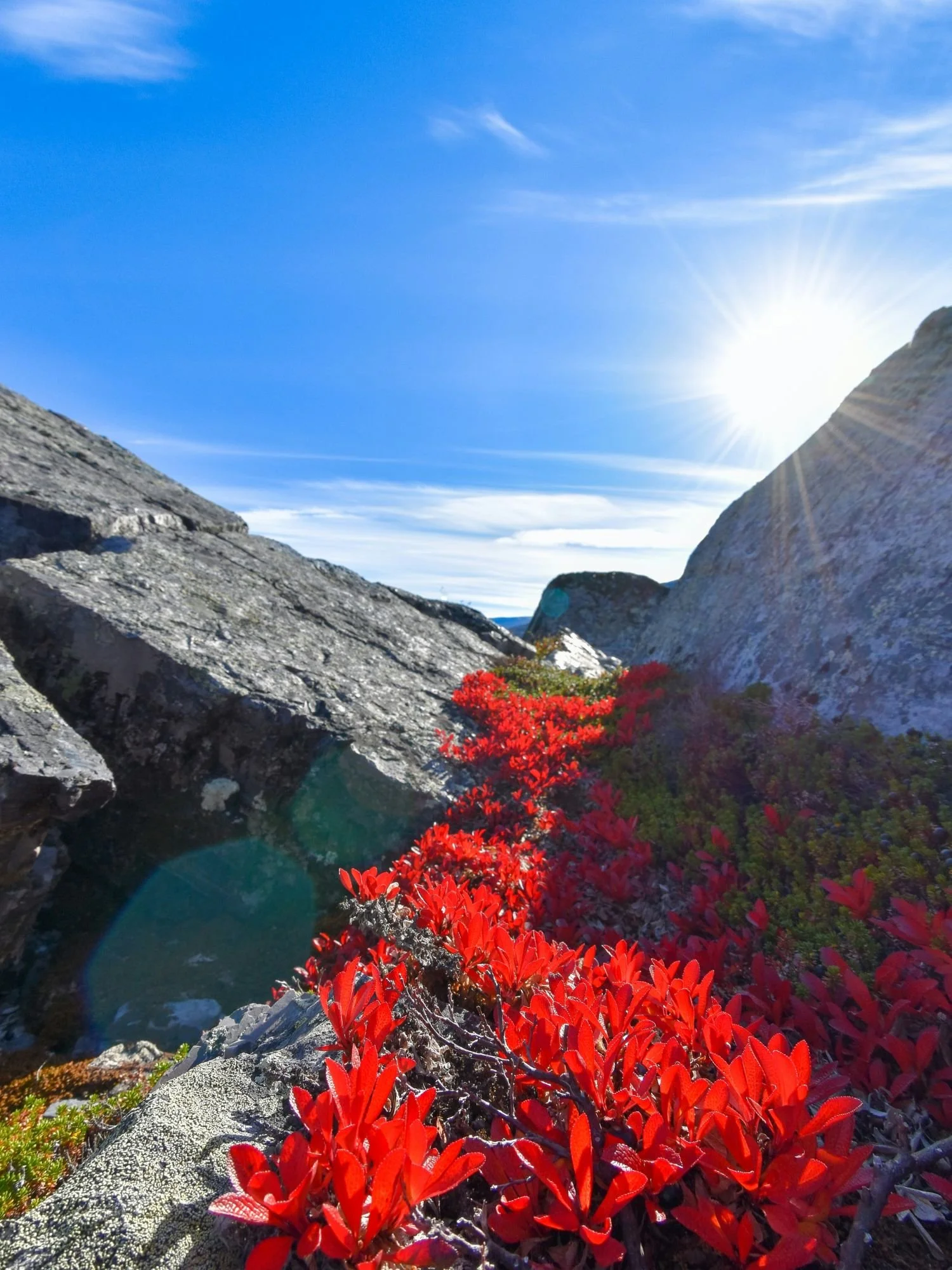
Stora Sjöfallet National Park
Respect wildlife
If you encounter animals, observe them from a distance and avoid disturbing them. Never attempt to feed wildlife, as this can alter natural behaviors and potentially harm both animals and visitors.
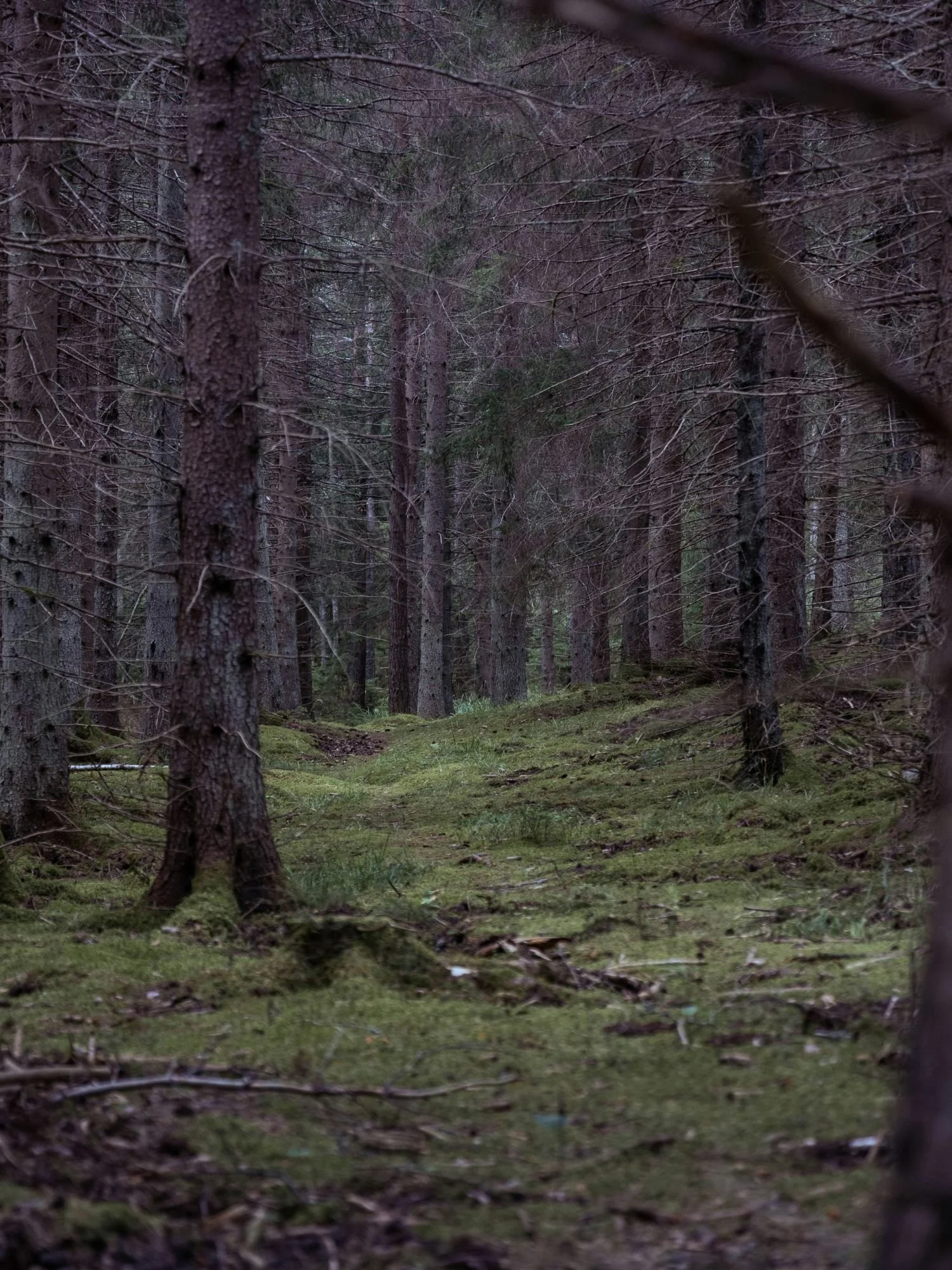
Tyresta National Park
Follow marked trails
In most parks, marked trails help protect sensitive habitats while making navigation easier for visitors. Staying on designated paths reduces erosion and minimizes disturbance to plants and wildlife. In remote wilderness parks where trails may not exist, proper navigation skills and preparation are essential.
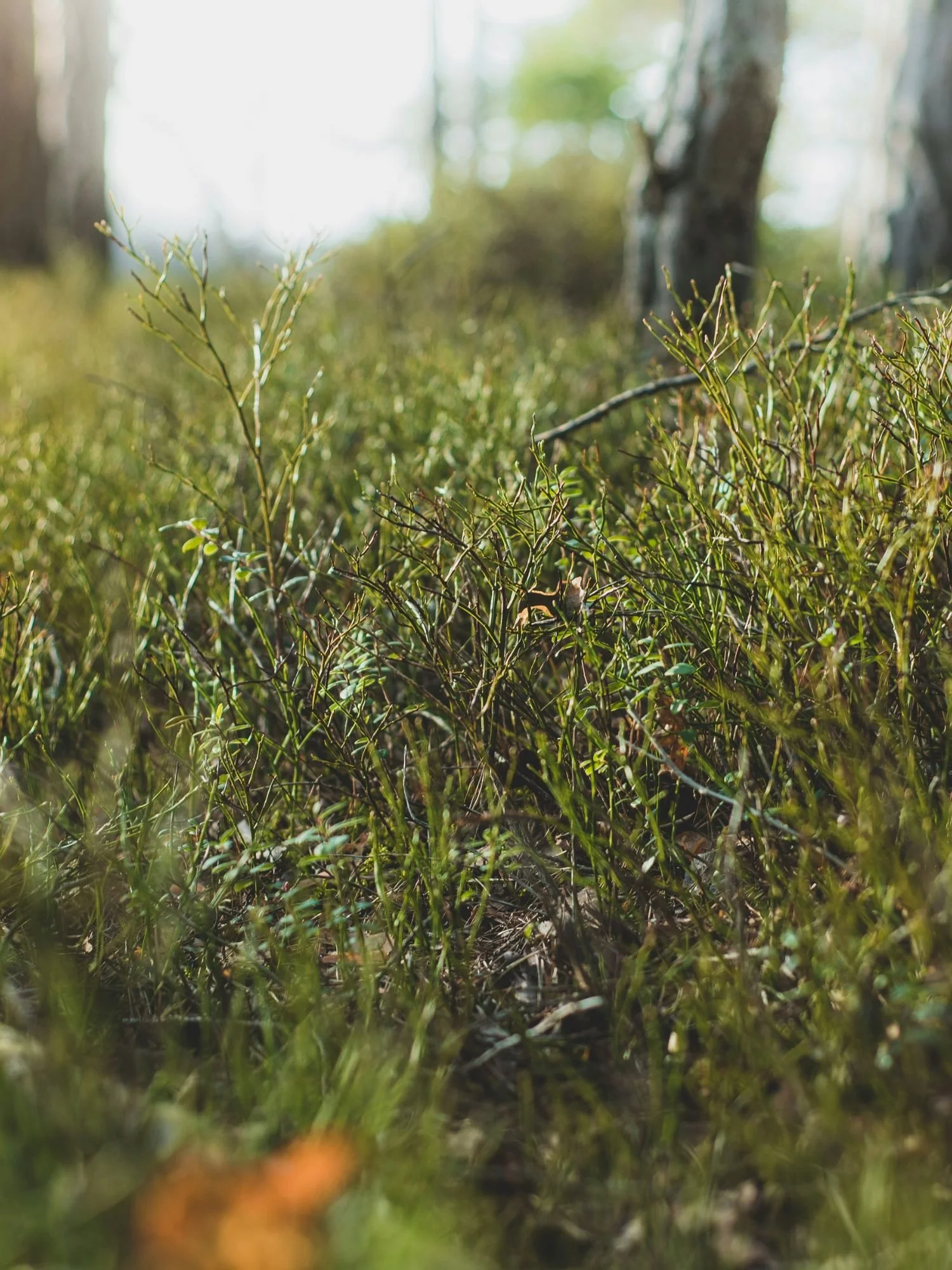
Tyresta National Park
Learn the camping rules
Camping regulations vary between national parks. Some parks allow overnight stays only in designated areas, while others have stricter restrictions to protect sensitive ecosystems. Always check the park's official guidelines before setting up a tent or planning an overnight stay.
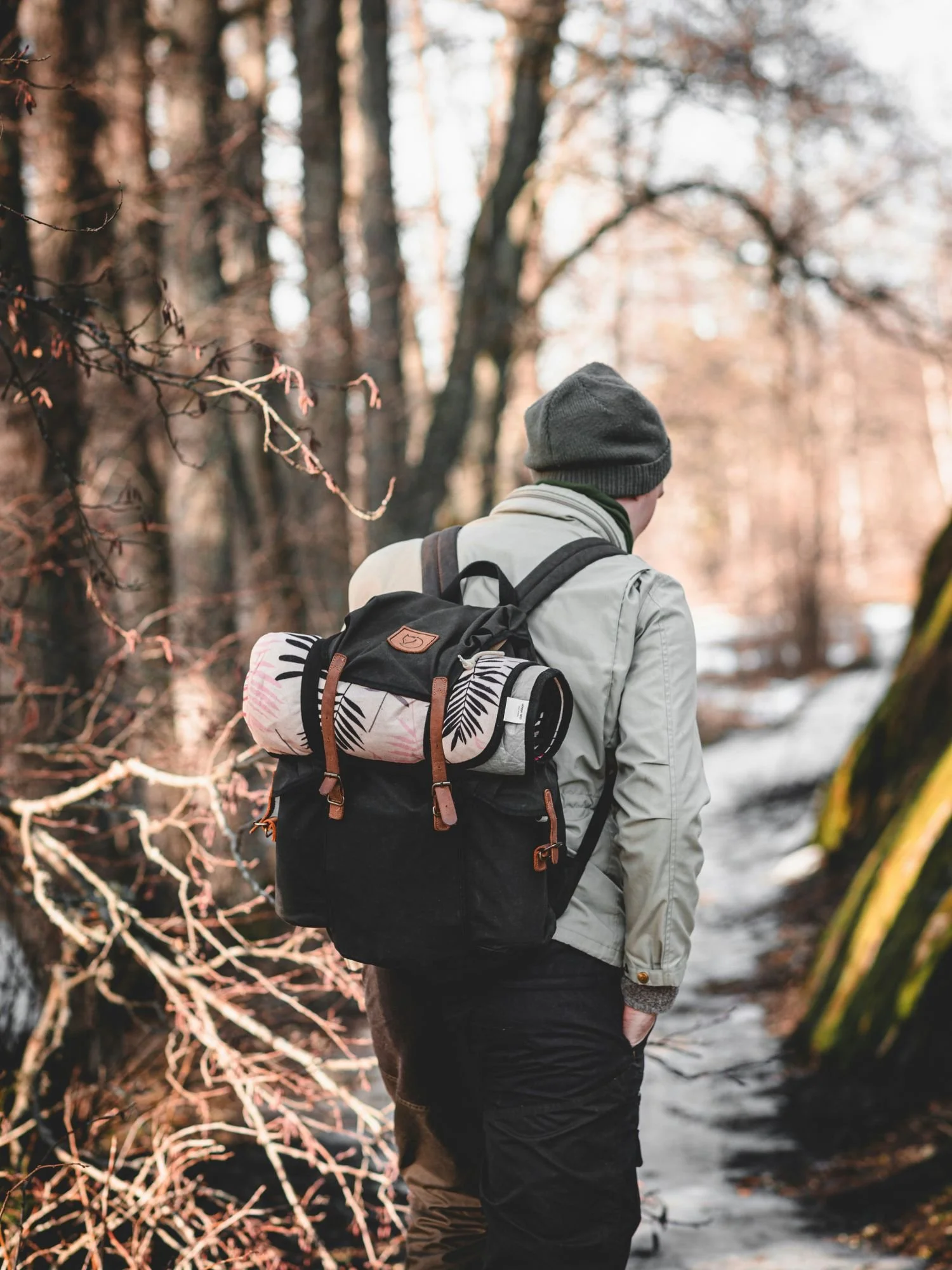
Tyresta National Park
Leave no trace
One of the most important principles for visiting any national park is to leave the environment as you found it. Take all litter with you, avoid damaging plants, and respect cultural and historical sites. By minimizing your impact, you help preserve these landscapes for future visitors and for wildlife.
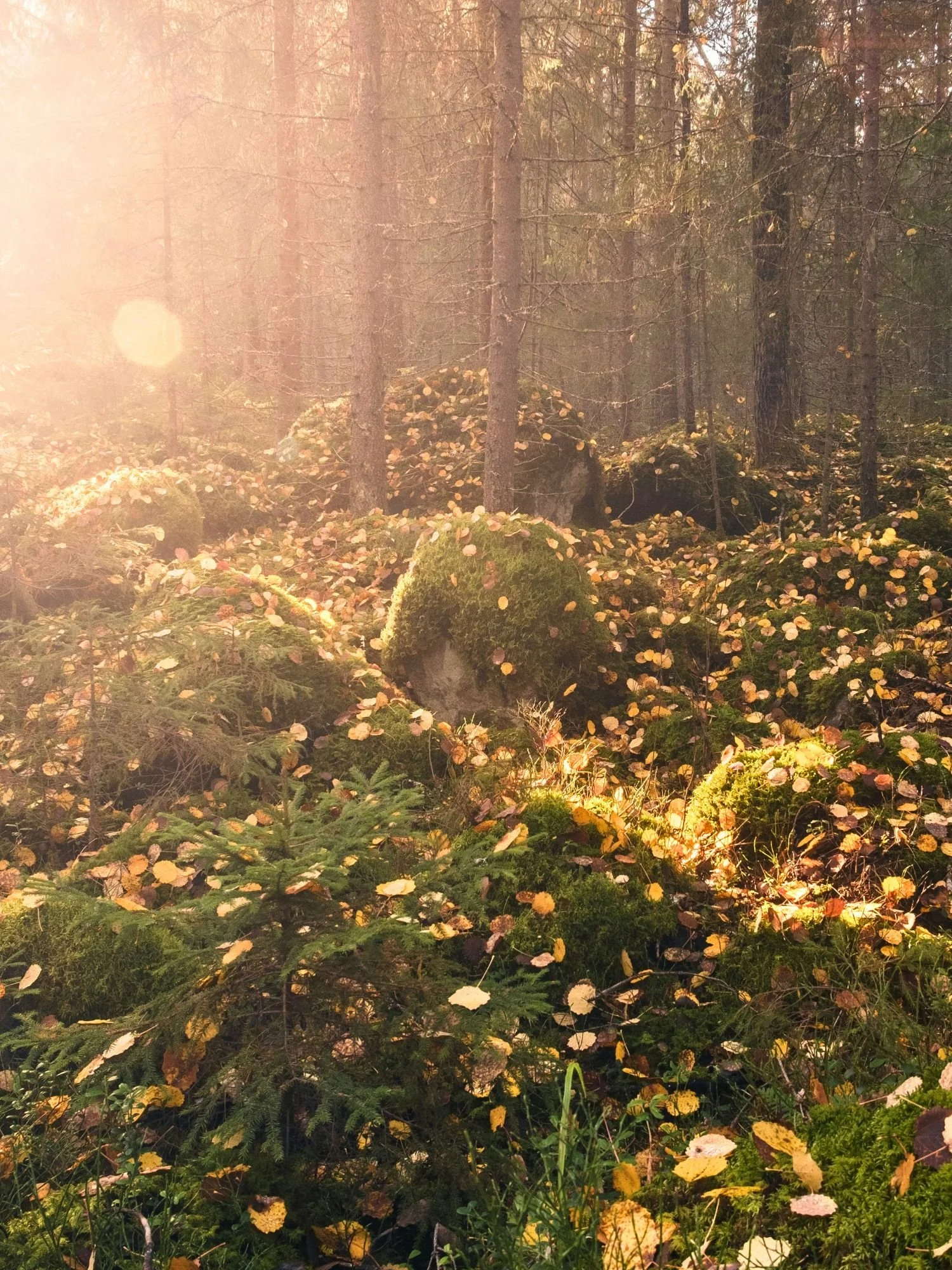
Färnebofjärden National Park
When is the best time to visit Sweden's national parks?
The best time to go depends on the type of experience you're looking for. Each season transforms the parks in different ways as the year progresses.
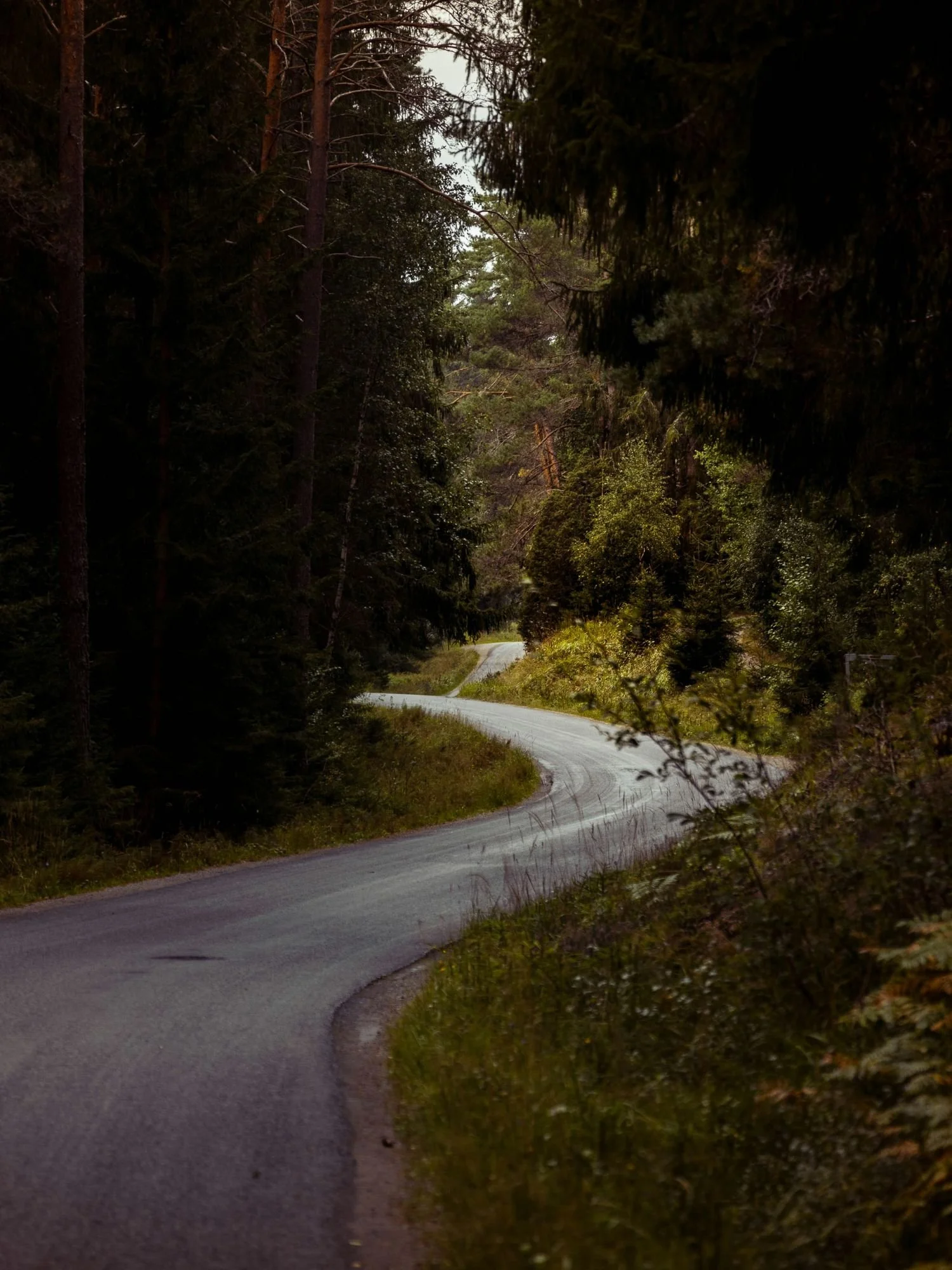
Tyresta National Park
Spring (March through May)
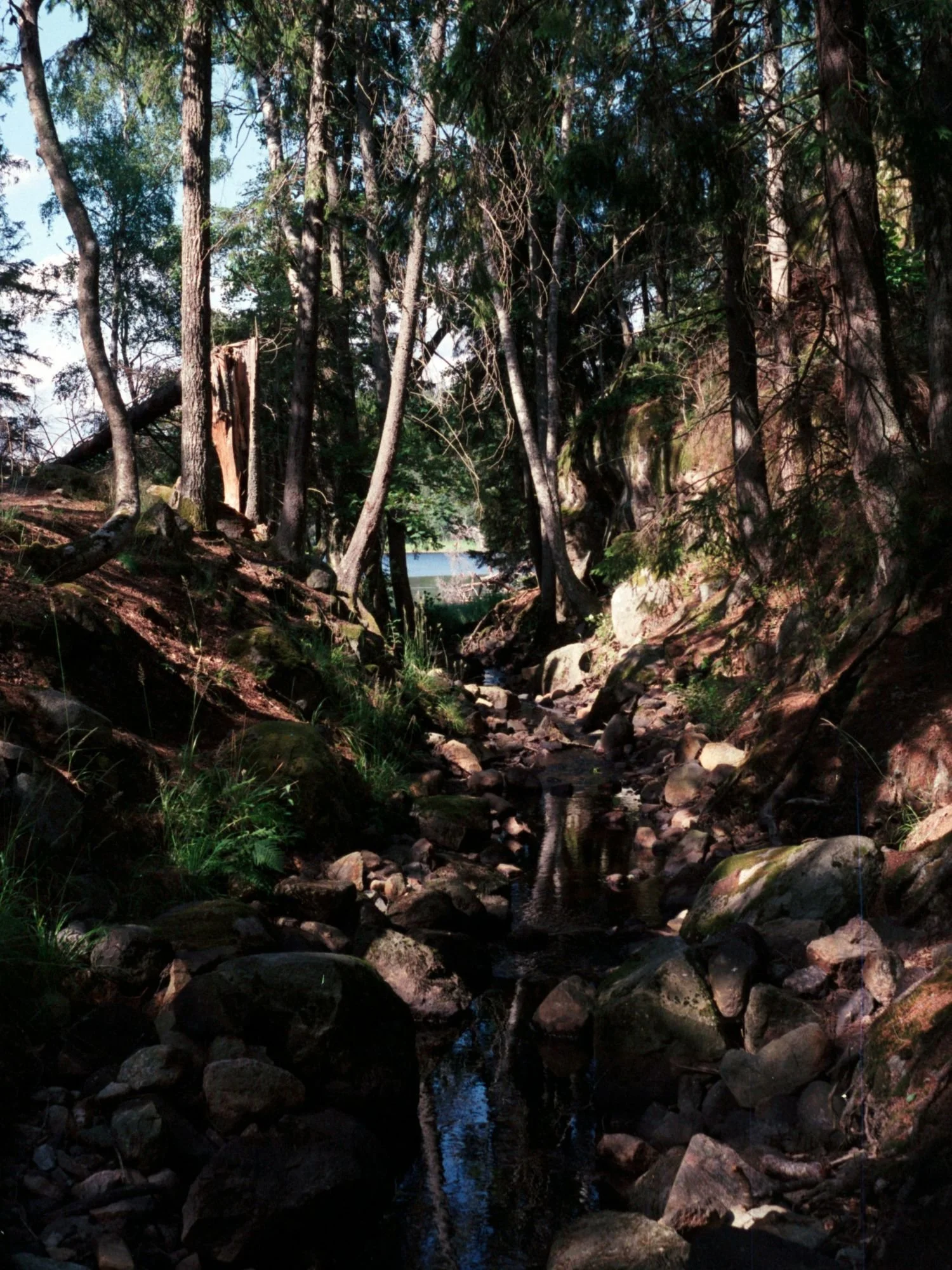
Spring marks the transition from winter to summer, with longer days, melting snow, and the return of migratory birds. In southern and central Sweden, forests begin to turn green, wildflowers bloom, and wildlife becomes more active after the colder months.
Spring is an excellent time to visit parks such as Tyresta National Park, Stenshuvud National Park, and Söderåsen National Park. There are fewer crowds and mild temperatures, making this a good time of year for hiking and nature photography.
Tyresta National Park
Summer (June through August)
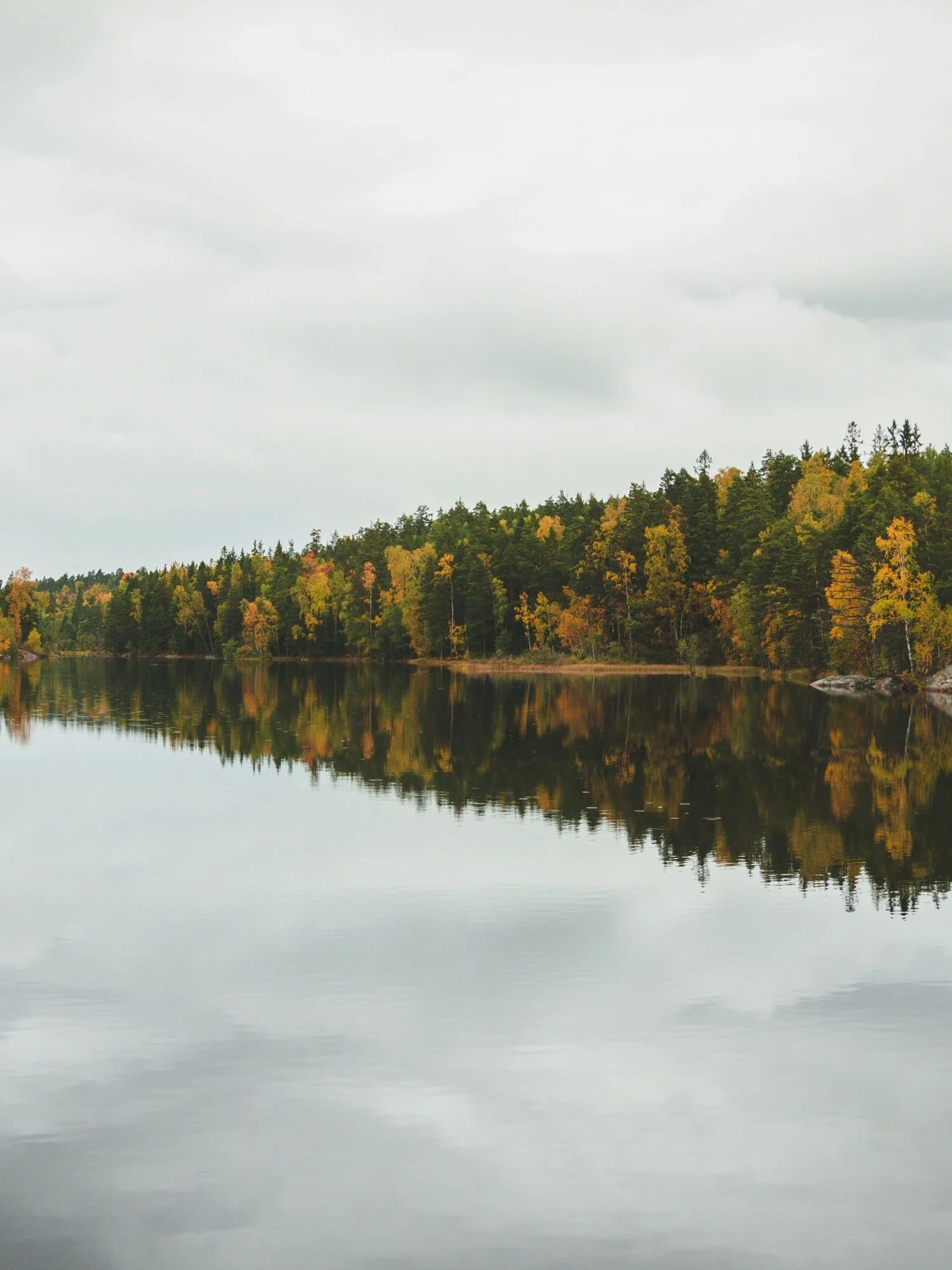
Summer is the most popular time to visit Sweden's national parks. Long daylight hours, comfortable temperatures, and fully accessible trails create ideal conditions for outdoor activities. In northern Sweden, visitors can experience the midnight sun.
This is the best season for exploring parks such as Abisko National Park, Sarek National Park, and Fulufjället National Park. Summer is peak season for hiking, camping, kayaking, wildlife watching, and photography.
Tyresta National Park
Autumn (September through October)
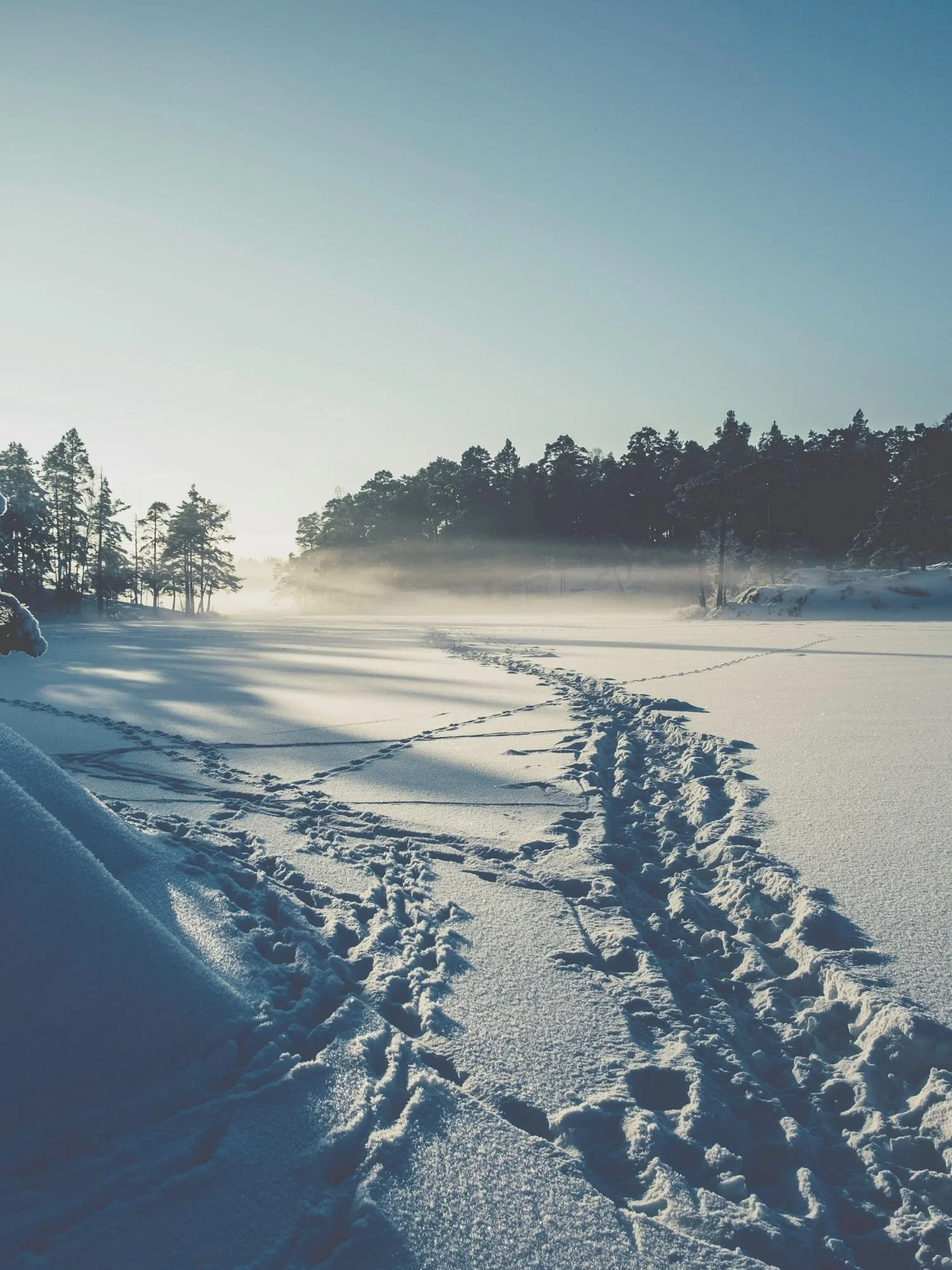
This is a beautiful time to visit Sweden's national parks. Forests and mountain landscapes are transformed by vibrant shades of yellow, orange, and red, while cooler temperatures create comfortable hiking conditions.
Autumn is particularly spectacular in parks such as Skuleskogen National Park, Tiveden National Park, and Fulufjället National Park. Visitor numbers also tend to be lower than during the height of summer, allowing for a more peaceful experience.
Tyresta National Park
Winter (November through February)
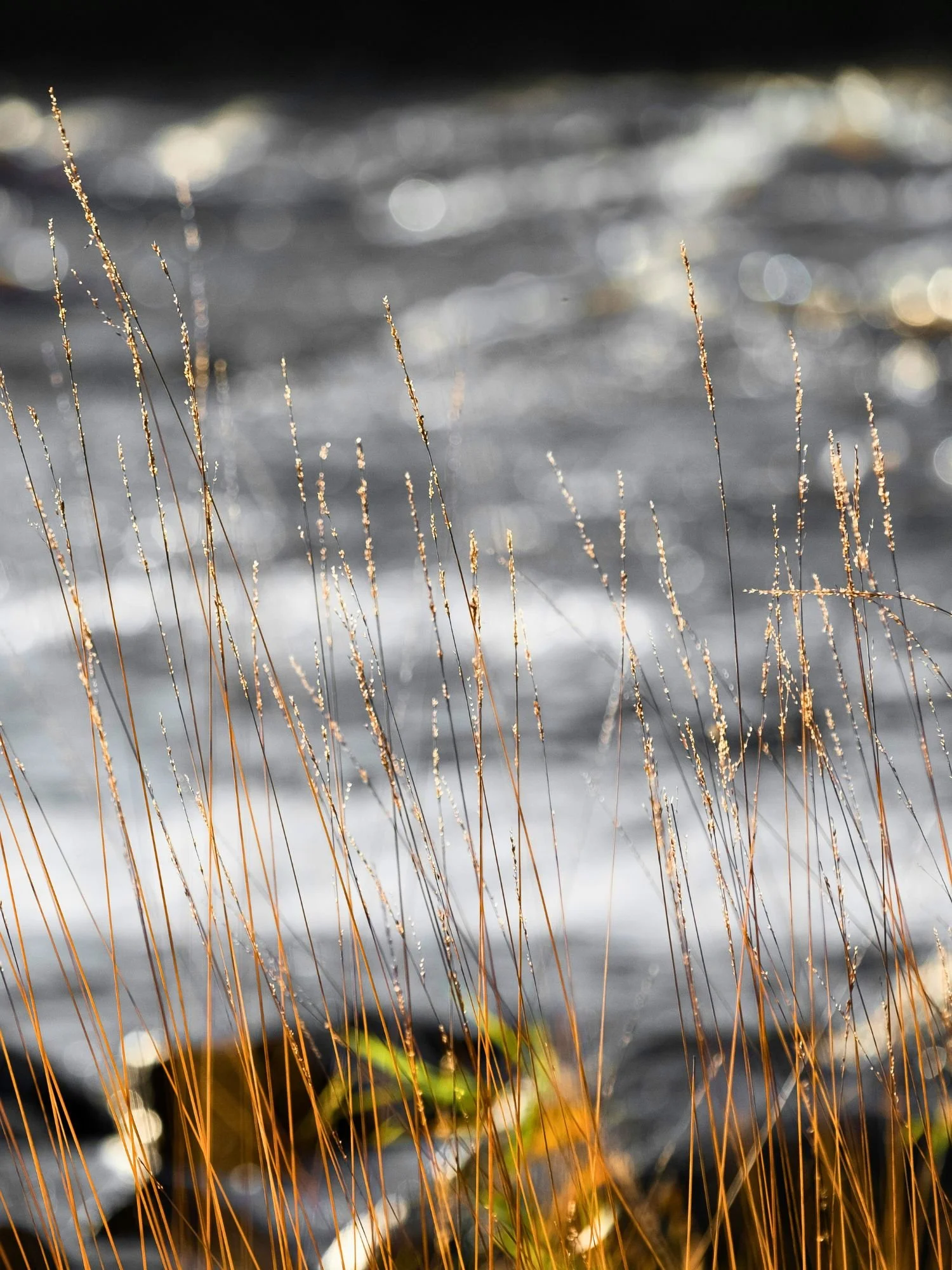
Snow-covered forests, frozen lakes, and Arctic landscapes create opportunities for activities such as cross-country skiing, snowshoeing, and winter photography.
Abisko National Park is world-famous for Northern Lights viewing, and visitors can also enjoy dog sledding, snowmobiling in surrounding areas, and winter hiking.
Winter conditions can be challenging, especially in remote regions, so proper equipment and preparation are essential.
No matter when you visit, Sweden's national parks offer unforgettable experiences and the chance to connect with some of Europe's most spectacular natural landscapes. Each season reveals a different side of the country, ensuring that there is always something new to discover.
Färnebofjärden National Park
Frequently asked questions about Sweden's national parks
How many national parks are there in Sweden?
Sweden currently has 31 national parks spread across the country, protecting a wide variety of landscapes, including mountains, forests, wetlands, coastlines, islands, and marine environments.
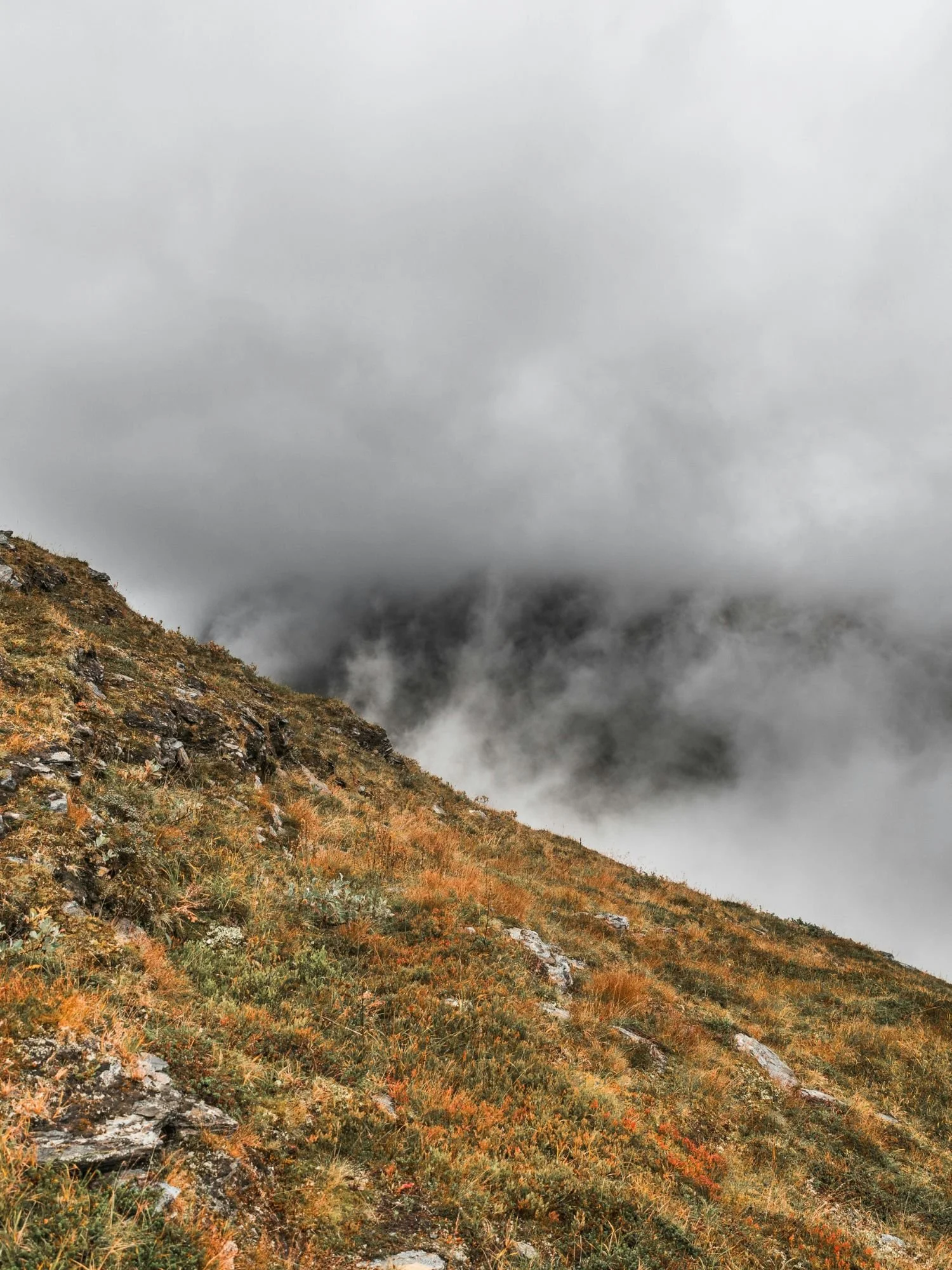
Sarek National Park
Are Sweden's national parks free to visit?
Yes, entry to Sweden's national parks is free. Visitors can explore hiking trails, viewpoints, beaches, and many other natural attractions without paying an entrance fee. Some activities such as guided tours, transportation services, and accommodations can involve additional costs.
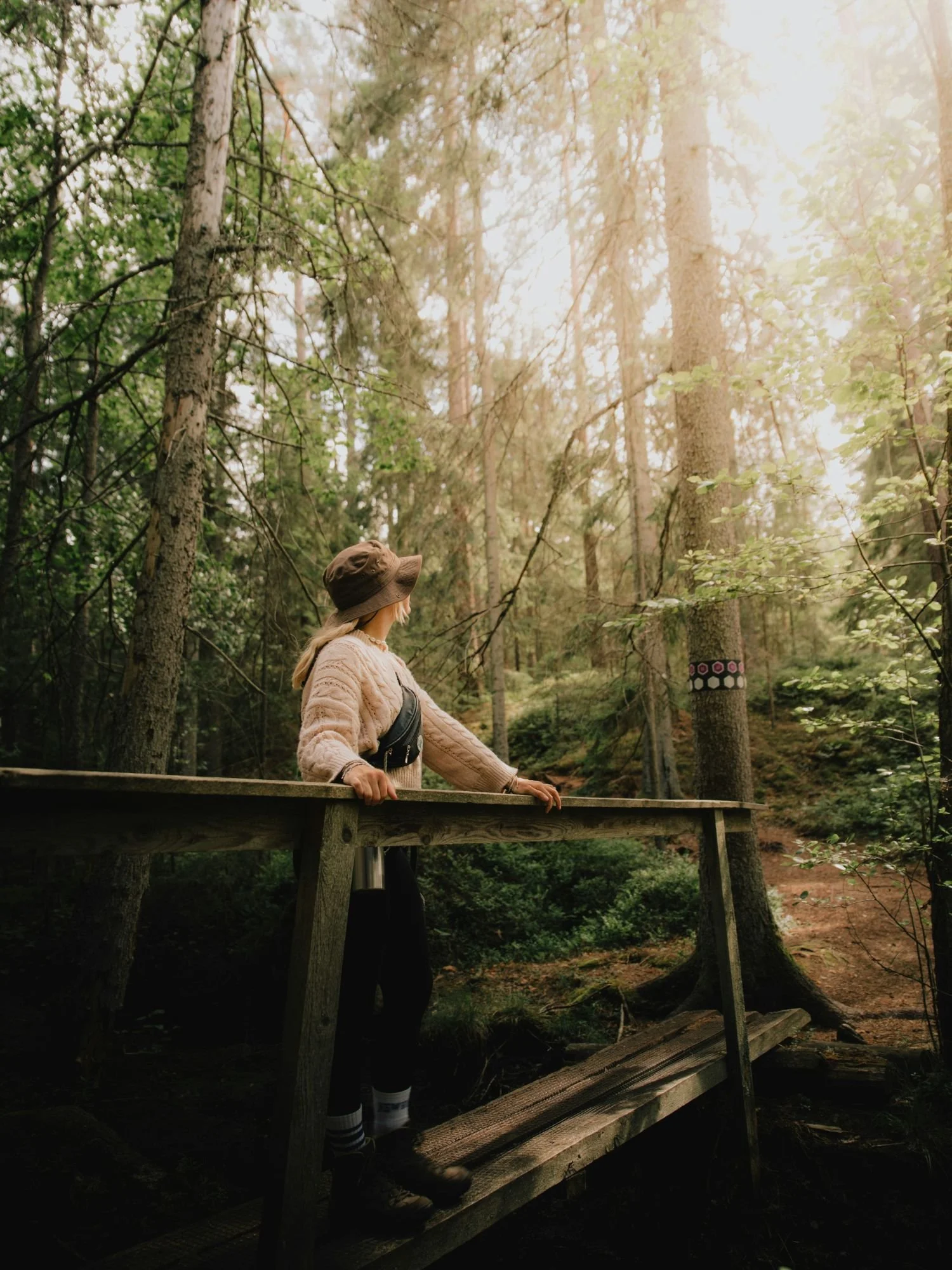
Tiveden National Park
Which national park is the best in Sweden?
This depends on what type of experience you're looking for. Abisko National Park is popular parks for hiking and Northern Lights viewing. Sarek National Park is often considered the best wilderness destination. Stenshuvud National Park and Tyresta National Park favorites for visitors seeking accessible outdoor experiences.
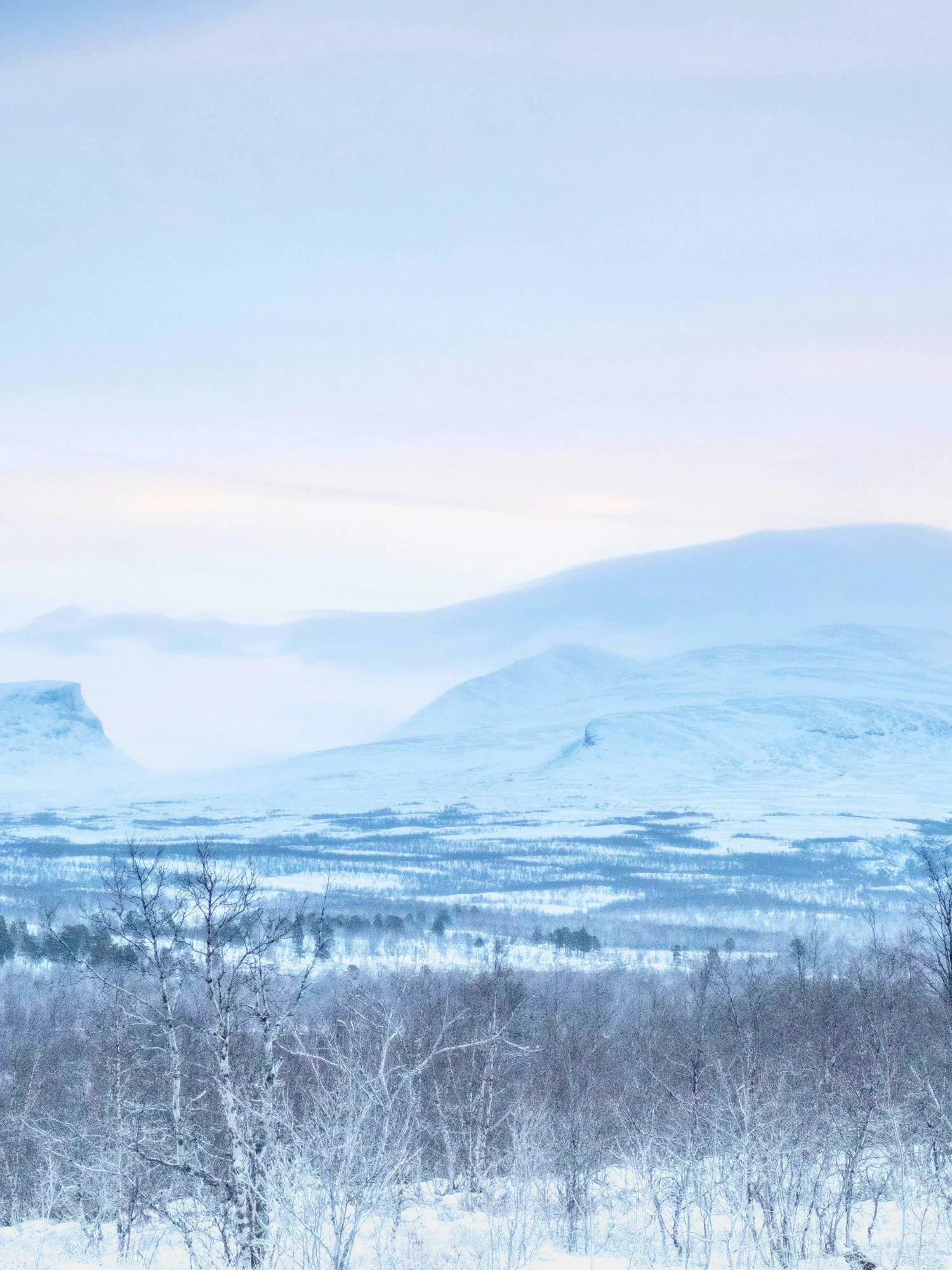
Abisko National Park
Which national park is closest to Stockholm?
Tyresta National Park is the closest national park to central Stockholm and can easily be visited as a day trip. The park is known for its ancient forests, scenic hiking trails, and rich wildlife.
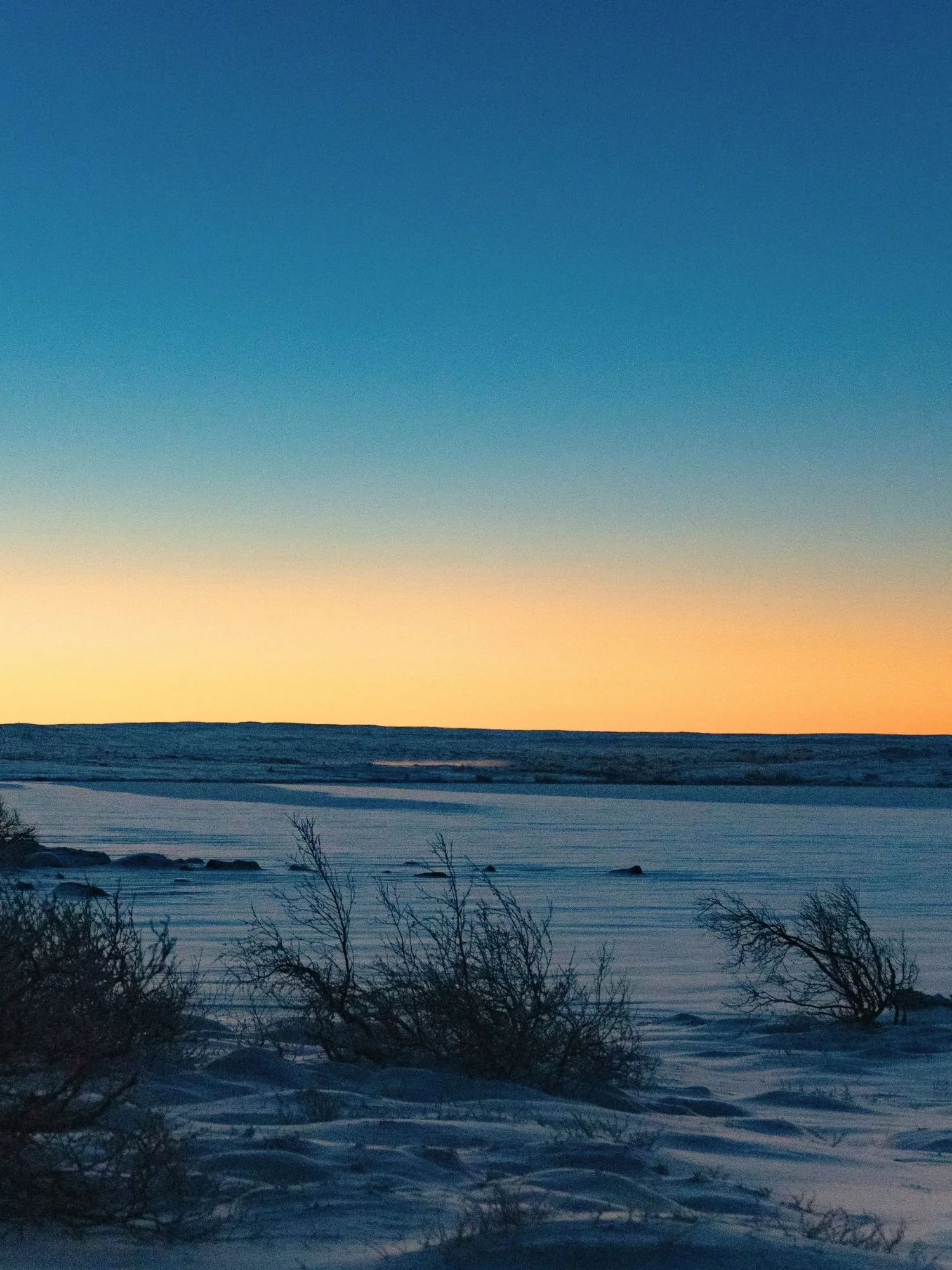
Fulufjället National Park
Can you camp in Sweden's national parks?
Camping rules vary between parks. Some national parks allow camping only in designated areas, while others have stricter restrictions to protect sensitive habitats. Visitors should always check the specific regulations for the park they plan to visit before camping overnight.
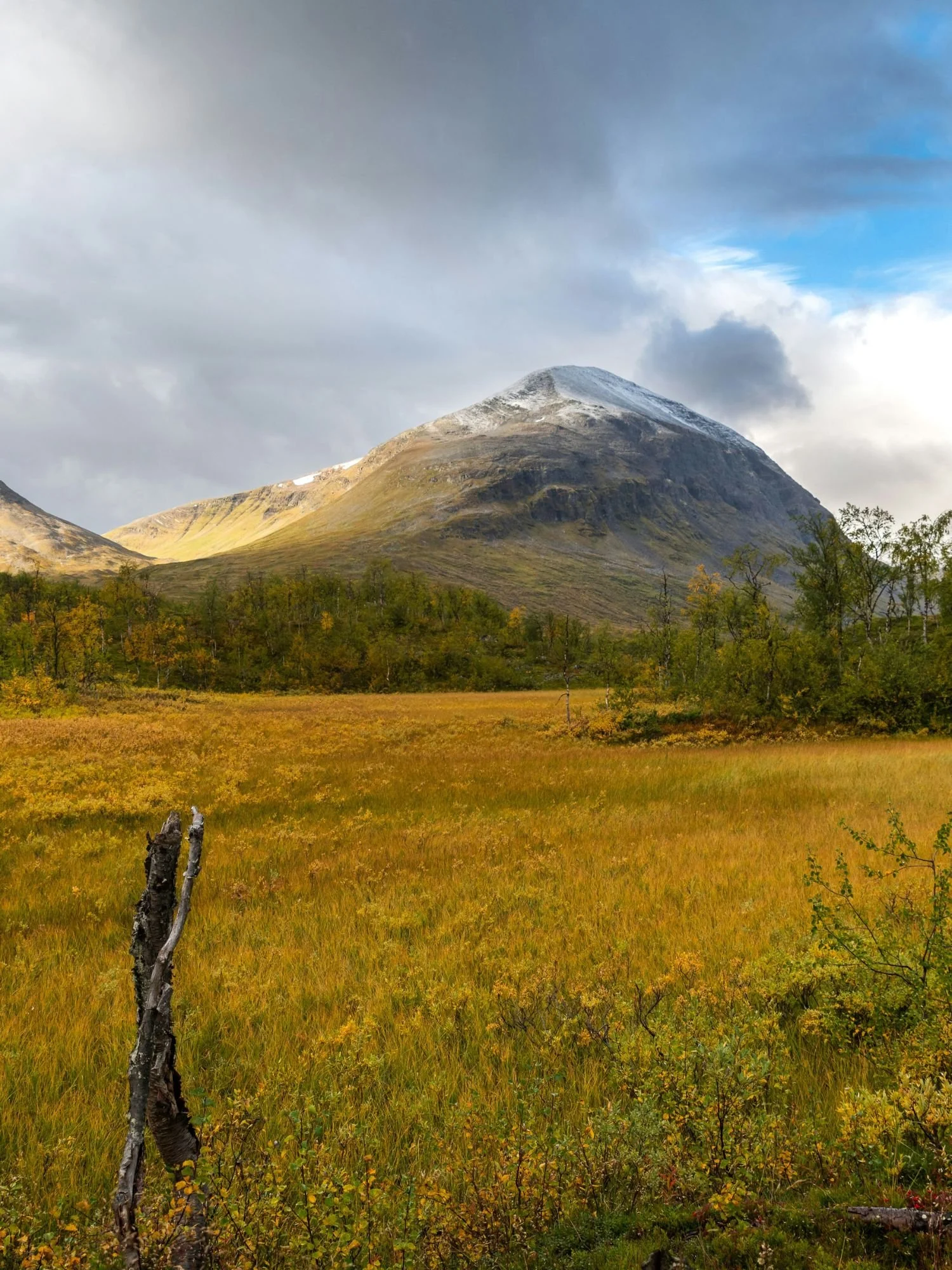
Sarek National Park
Can you see the northern lights in Sweden's national parks?
Yes, one of the best places to see the northern lights in Sweden is Abisko National Park in Swedish Lapland. Its location within a rain-shadow area often results in clearer skies than many other Arctic destinations, making it one of the country's most popular northern lights locations.
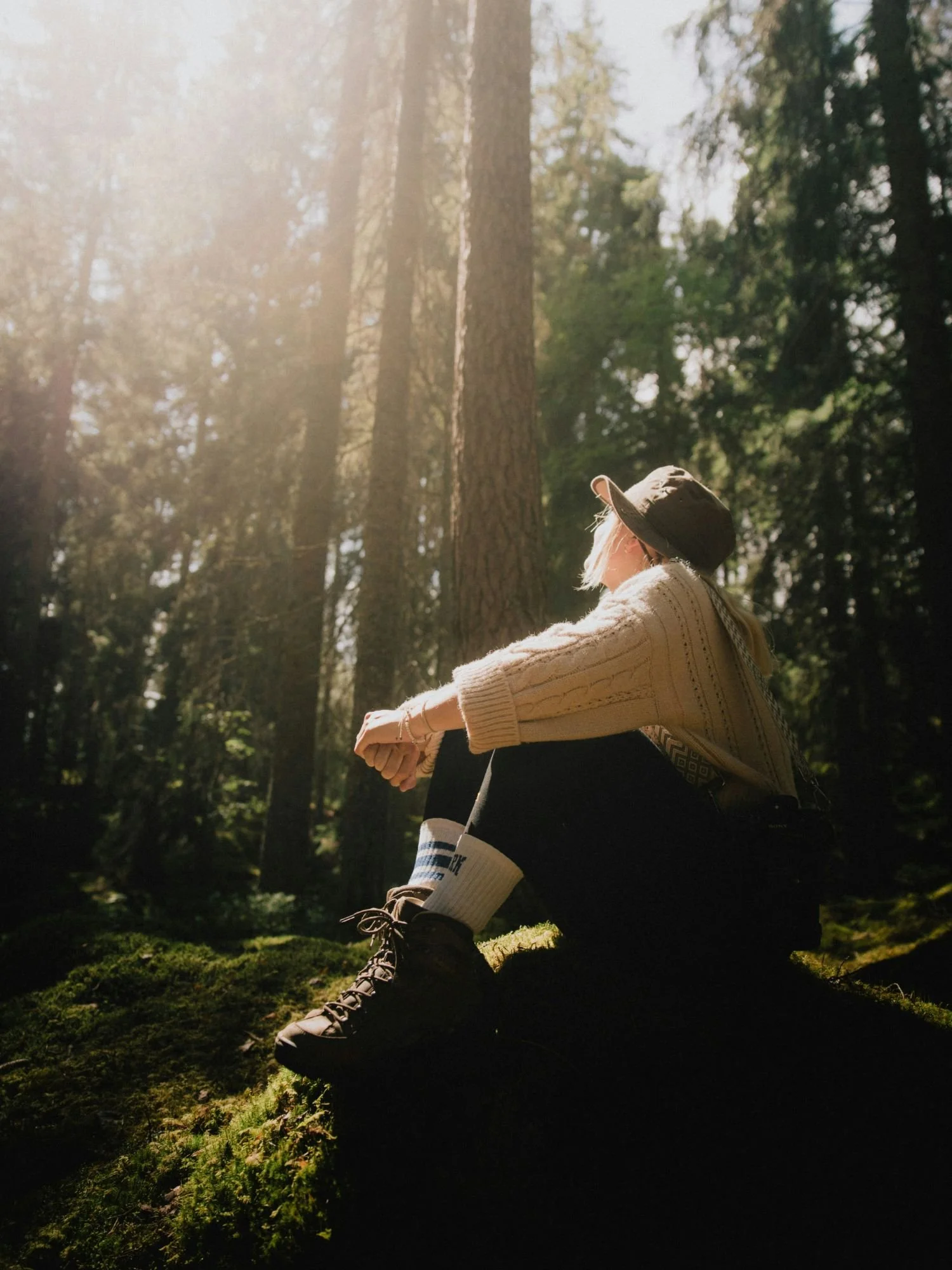
Tiveden National Park
Are Sweden's national parks suitable for families?
Many national parks are family-friendly and offer easy hiking trails, visitor centers, picnic areas, and accessible viewpoints. Parks such as Stenshuvud National Park, Tyresta National Park, and Fulufjället National Park are particularly well suited for families with children.
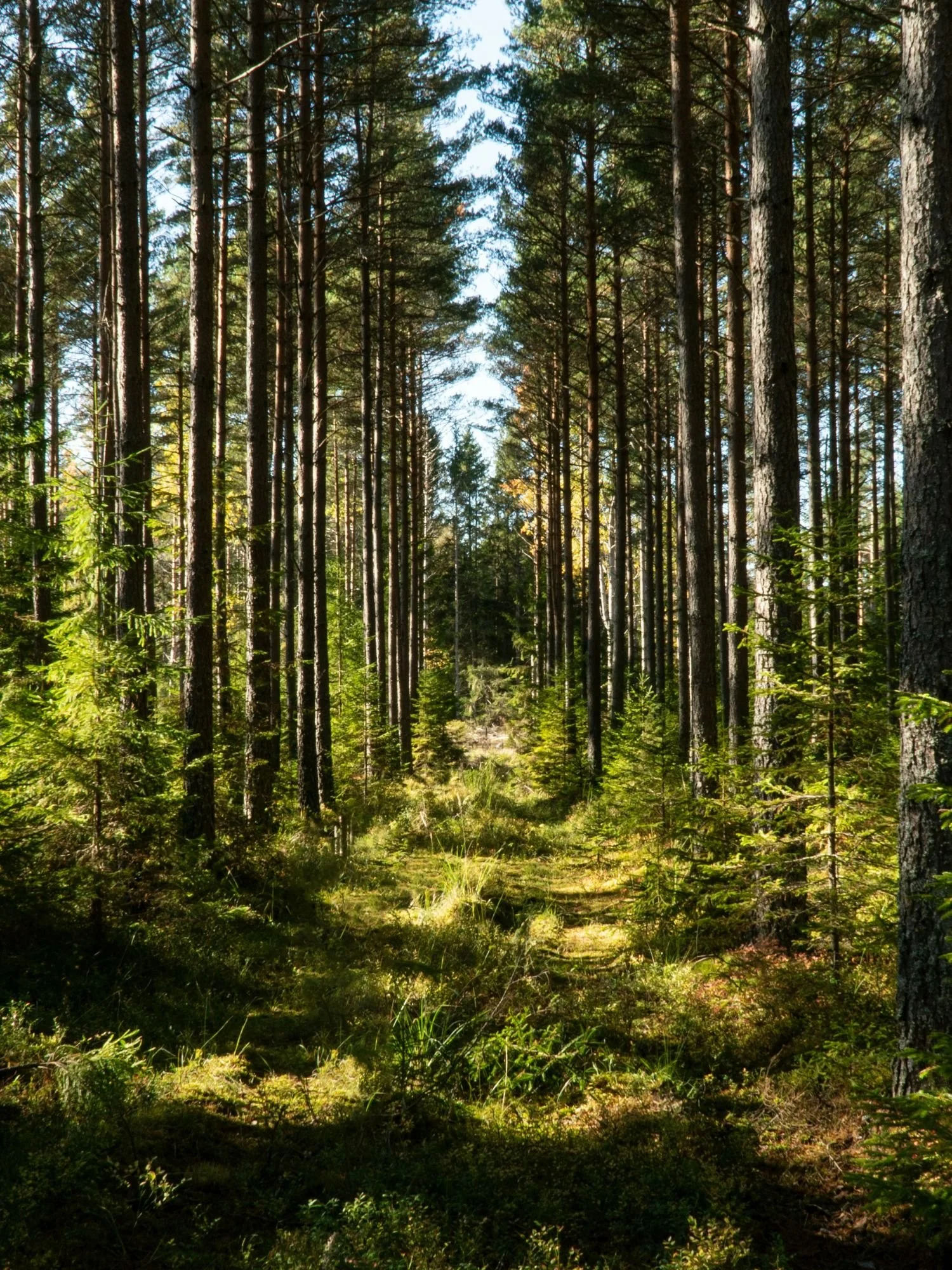
Tyresta National Park
What wildlife can you see in Sweden's national parks?
Depending on region, you may encounter moose, reindeer, roe deer, foxes, seals, golden eagles, and numerous bird species. In more remote areas, there are also Arctic foxes, wolverines, lynx, and brown bears, although sightings of these are relatively rare.
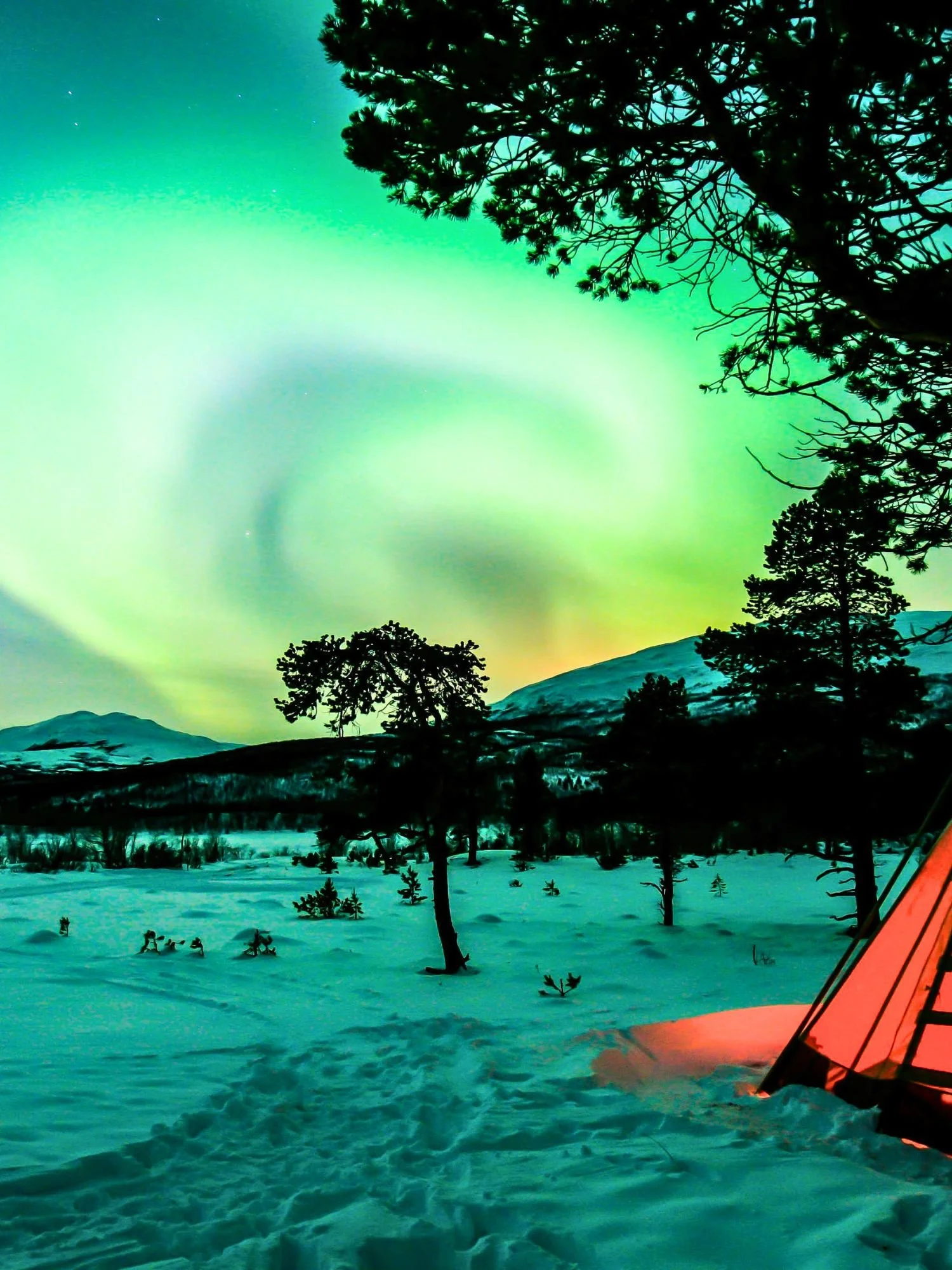
Abisko National Park
What should I bring when visiting a Swedish national park?
Visitors should bring weather-appropriate clothing, sturdy footwear, water, snacks, and a map or navigation device if planning longer hikes. Conditions can change quickly, especially in mountain regions, so it’s always wise to be prepared for a range of weather conditions.
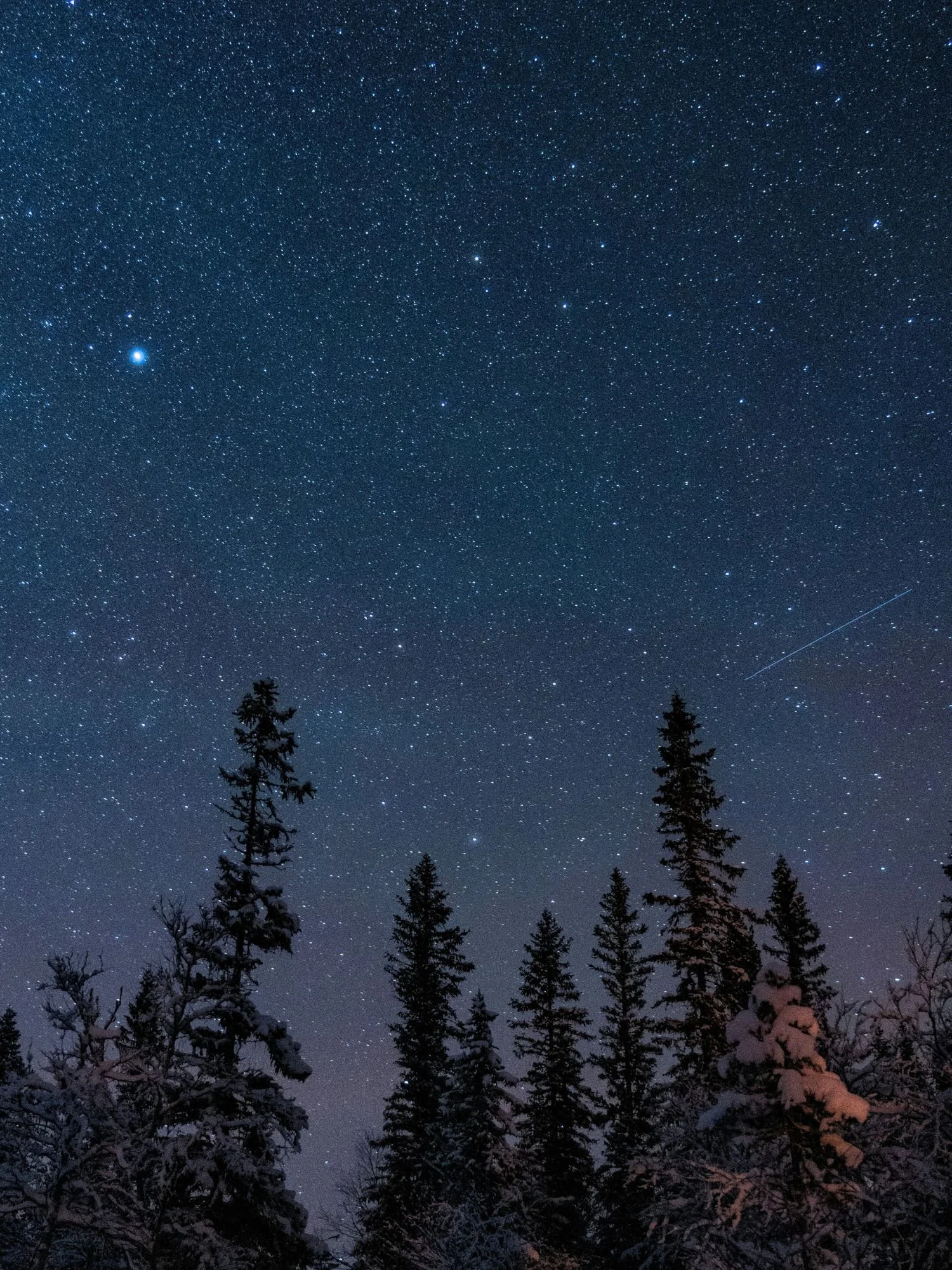
Fulufjället National Park
What’s the best national park in Sweden for hiking?
Abisko National Park is often considered the top choice thanks to its connection to the Kungsleden Trail. Other excellent hiking destinations include Skuleskogen National Park, Tiveden National Park, and Fulufjället National Park.
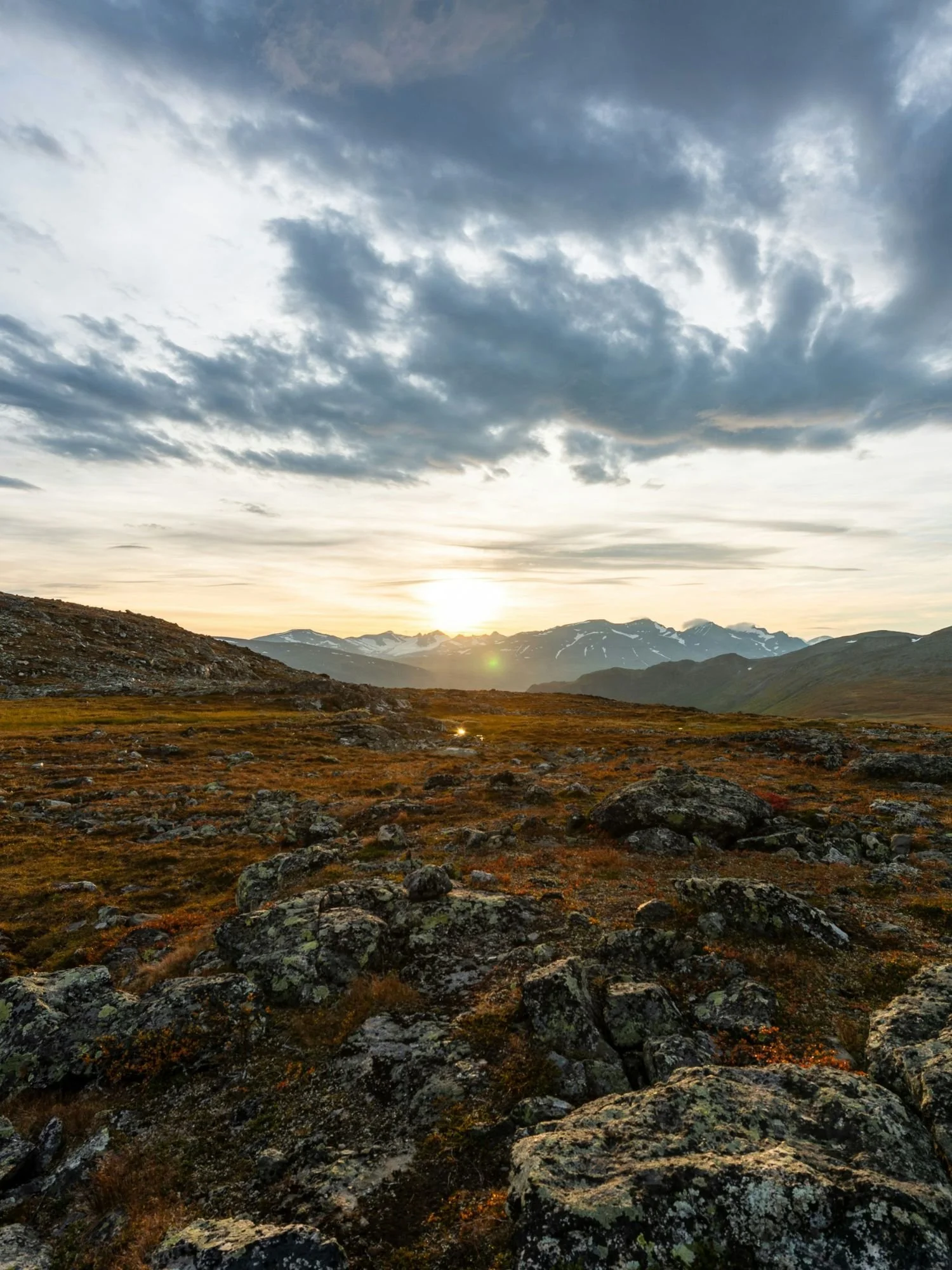
Sarek National Park
Are dogs allowed in Sweden's national parks?
Dogs are allowed in many national parks, but they are often required to be kept on a leash to protect wildlife and other visitors. Specific rules may vary between parks, so it is important to check local regulations before your visit.
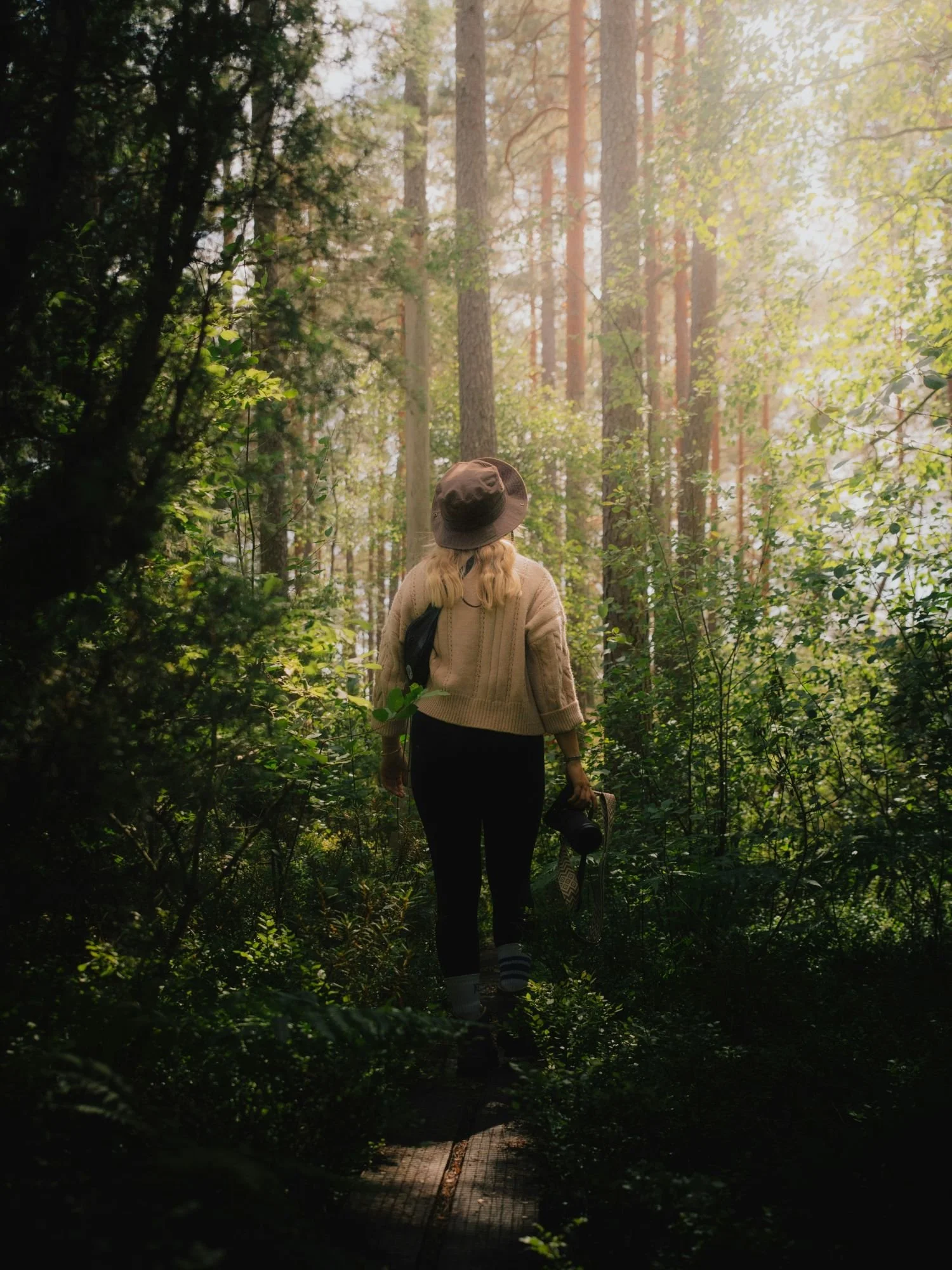
Tiveden National Park
Sweden's national parks showcase some of the most spectacular and diverse landscapes in Europe. Adventurers can explore the remote wilderness of Sarek, hikers can follow scenic trails in Abisko and Skuleskogen, families can enjoy accessible nature experiences in Fulufjället and Tyresta, and coastal travelers can discover the marine ecosystems of Kosterhavet or the beaches and forests of Stenshuvud. Pack your hiking boots, embrace the spirit of allemansrätten, and discover why Sweden is one of Europe's best destinations for nature lovers.